
More articles about: Cancer (Oncology)
Health Lab
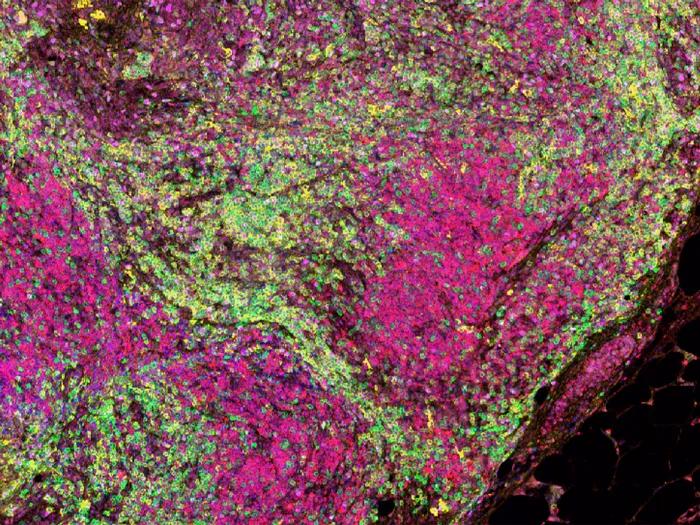
New mouse model for liposarcoma can help uncover new therapies
There has been little progress in understanding and treating liposarcoma due to its rarity and lack of research resources. In a new study, University of Michigan researchers have developed a novel mouse model that mirrors the disease in humans.

Philanthropy News
Shenandoah Country Club sets the pace for faith-based philanthropy
The Shenandoah Country Club's inaugural 5k run and walk raised vital funds for people facing cancer at the U-M Rogel Cancer Center.

Health Lab
5-year survival rate has increased for all cancers, according to American Cancer Society
The American Cancer Society reports that mortality rates have continued to decline since the 1990s. N. Lynn Henry, of Michigan Medicine, answers questions about how factors such as healthy lifestyle choices, early screening and clinical trials have improved cancer survival rates.
Health Lab
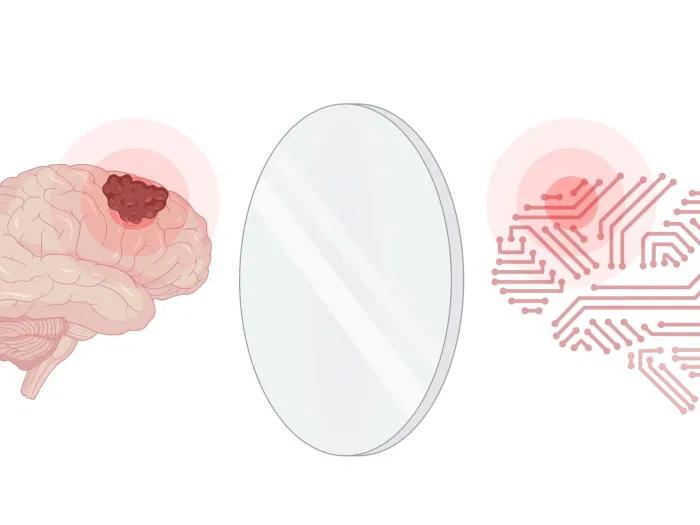
Brain cancer digital twin predicts treatment outcomes
A machine-learning-based approach to mapping real-time tumor metabolism in brain cancer patients, developed at the University of Michigan, could help doctors discover which treatment strategies are most likely to be effective against individual cases of glioma.
Health Lab
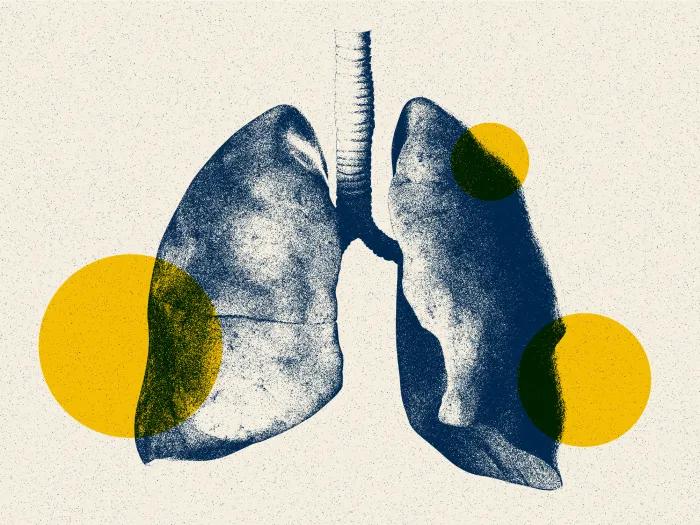
'Molecular glue' stabilizes protein that inhibits development of non-small cell lung cancer
University of Michigan researchers found a new protein target PP2A and developed a drug to treat non-small cell lung cancers that have KRAS mutations.
Health Lab
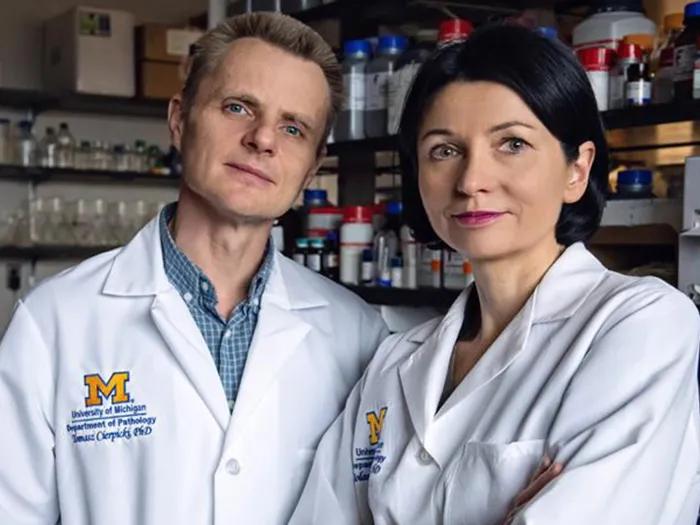
Leukemia drug secures FDA approval
Komzifti (ziftomenib), developed at Michigan Medicine, has been approved for patients with acute myeloid leukemia caused by the NPM1 gene mutation.
Health Lab
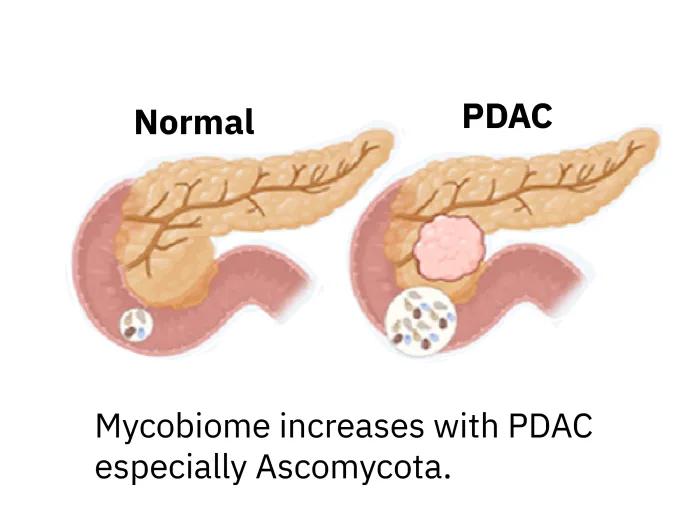
Gut microbiome may influence how patients with pancreatic cancer respond to treatment
Microbes create unique communities called microbiomes in the gut, oral cavity, skin and urogenital regions. Donnele Daley discusses common misconceptions about “healthy” microbes, the role of microbiomes in pancreatic cancer and future research directions.

Health Lab
Breast cancer patient encourages women to commit to their health
A Michigan Medicine patient learned as a young woman that she had a BRCA1 mutation. Her dedication to yearly mammograms helped her catch her cancer early.
Health Lab
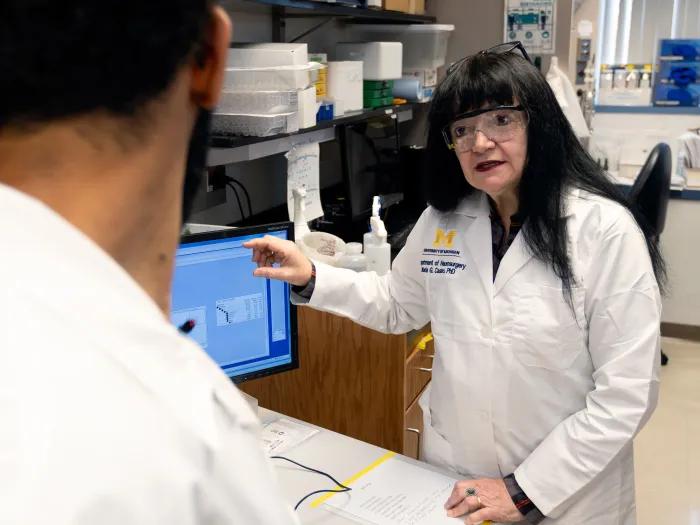
Expanding brain tumor research
Maria Castro, Ph.D, of Michigan Medicine, received a prestigious $4.5M NIH grant that will help advance the understanding about deadly tumors and provide a path for developing new treatments.

Health Lab Podcast
Better health benefits linked to better job numbers
The recent study shows the biggest job gains were seen among low income adults with serious health problems whose health improved over time.

Health Lab
Colon cancer screening: New data point to ways to boost uptake and follow up
Noninvasive colon cancer screening options have increased; new research looks at patient and physician preferences and impact of full follow-up colonoscopy insurance coverage.

Health Lab
Capturing cancer cells from blood could help doctors choose the right breast cancer treatment
Doctors may be able to spare patients unnecessarily aggressive breast cancer treatments by collecting and testing cancer cells in patients' blood, study from the University of Michigan and the University of Kansas suggests.

Health Lab
Additional testing can improve kidney cancer diagnosis
Michigan Medicine findings suggest further investigation of FISH-negative tests for renal cell carcinoma could lead to more accurate diagnosis.
Health Lab
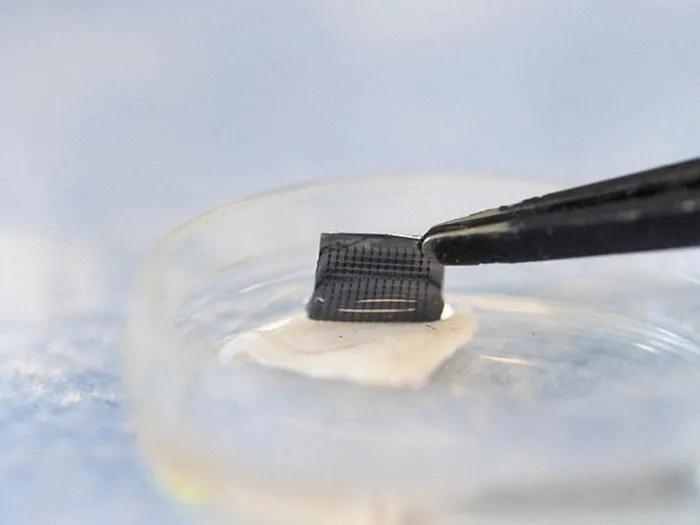
At-home melanoma testing: Skin patch test works in mice
Melanoma testing could one day be done at home with a skin patch and test strip with two lines, similar to COVID-19 home tests, according to University of Michigan researchers.

Health Lab
A U-M lacrosse player's rare life saving procedure in the emergency room
When a University of Michigan lacrosse player walked into an urgent care clinic with bruises on his legs and vision changes, a rare procedure available at Michigan Medicine saved his life.
