Inside APS: A Patient's Personal Health Journey
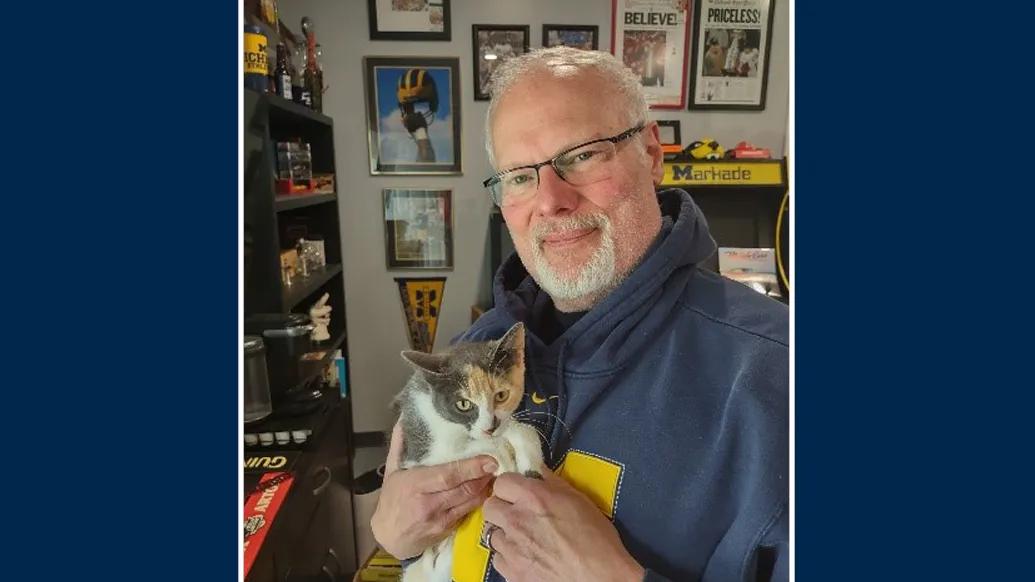
In 1994, Mark Hall was diagnosed with APS. At the time, he was in his early 30s, living life to the fullest – racing cars, playing basketball, and thriving in a high-powered career in healthcare sales.
But everything changed when Mark began suffering from unexplained blood clots in his lungs, legs, and heart. Despite these challenges, he remained resilient.
Mark continued working as a vice president at Blue Cross Blue Shield until his health began to deteriorate dramatically in 2018. Fatigue became constant. His blood counts dropped without explanation. Pain, particularly in his hands, became relentless.
It was then that a family member encouraged him to seek help at University of Michigan Health - an act that would ultimately save his life.
Under the care of an expert multidisciplinary team - including Dr. Yu (Ray) Zuo, Edward T. and Ellen K. Dryer Early Career Professor of Rheumatology, Assistant Professor of Internal Medicine, and APS Program Associate Director - Mark was finally diagnosed with catastrophic APS, a rare, life-threatening complication that affects fewer than 1% of APS patients. This severe condition causes widespread, rapid clotting that can impact multiple organs simultaneously.
For Mark, the diagnosis brought both clarity and a sense of urgency.
Living with APS meant a complete transformation of his daily life. Once constantly on the move, he now had to vigilantly monitor his health and avoid infections due to a compromised immune system.
The disease forced Mark to retire early, and he faced cognitive challenges and physical limitations that made even a full workday impossible.
Yet, through it all, Mark never lost hope. He credits his survival - and his quality of life - to the compassionate, coordinated care he receives at University of Michigan Health and the Michigan APS Program.
“Access to comprehensive care at University of Michigan Health, with the specialists coordinating my treatment, has been pivotal," said Mark. "It has not only stabilized my condition, but also improved my quality of life. The entire team has been instrumental by personalizing my medical care, which was crucial to managing my catastrophic APS."
"You can live a normal life with APS by adhering to your doctor’s advice, prioritizing your health, and surrounding yourself with supportive people. You can get through it, and there will be days you forget you are even living with it.”
Today, Mark is redefining what it means to live fully with a serious diagnosis.
With the support of his wife, family, and friends, he’s found a new purpose - rescuing and caring for neglected animals. He recently founded a local fostering and shelter organization, channeling his energy and compassion into giving vulnerable creatures a second chance, just as he was given.
By sharing his journey, Mark hopes to raise awareness about APS - to push for earlier diagnoses, better treatments, and increased funding for APS research and patient support.
“Contributions to the APS Program have a direct impact on saving lives and improving the quality of life for people with APS," Mark said. "It is an investment in hope, health, and future advancements.”
Learn more about the APS Research Labs, the research arm of the APS Program, who are working to advance the understanding of antiphospholipid syndrome and to identify new treatments that are more personalized and proactive.
In This Story
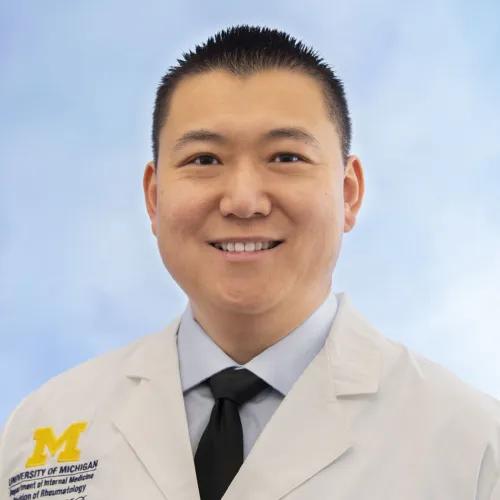
Yu (Ray) Zuo, MD, MS
Assistant Professor
Featured News & Stories

What’s changing in Medicaid and what can you do?

Going the extra 100 miles

Nine from Medical School honored as part of annual Faculty and Staff Awards
Congratulations to Stephen Gonzalez, PhD