Six cardiac arrest survivors. Dozens of rescuers and clinicians. One unbroken chain of survival.
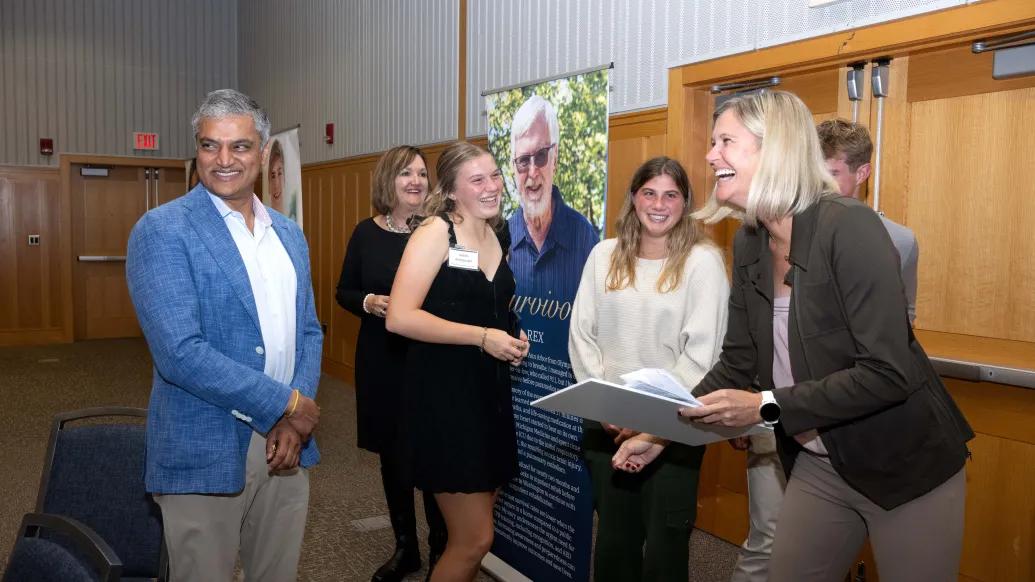
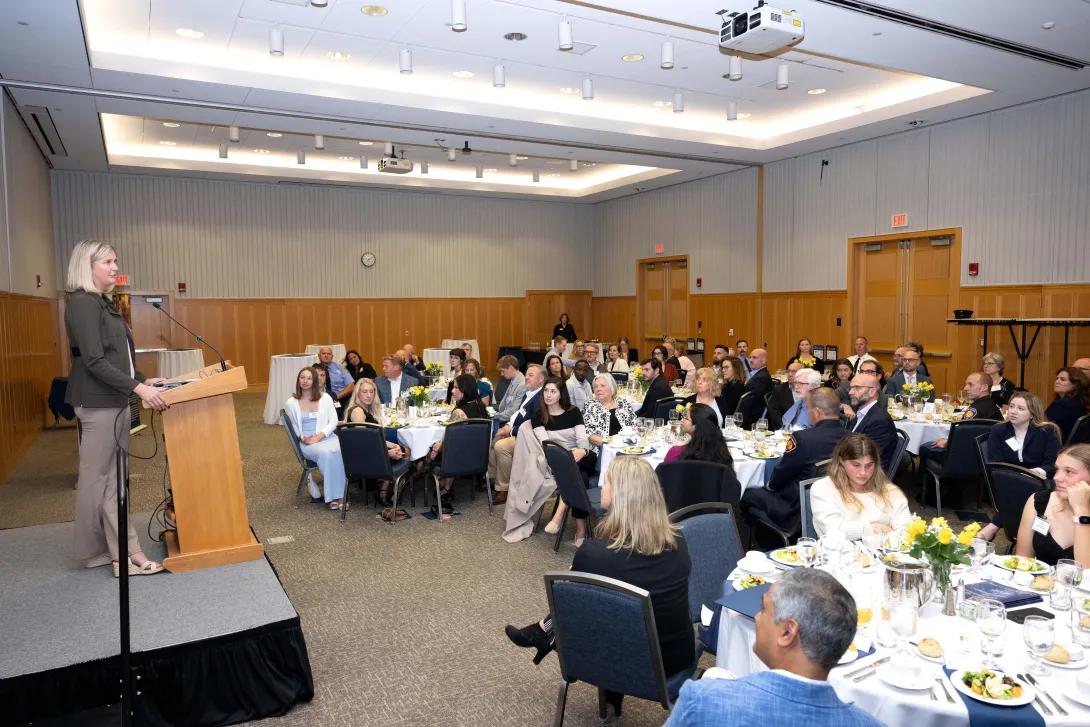
On October 14, Michigan Medicine’s Department of Emergency Medicine and the Samuel and Jean Frankel Cardiovascular Center, with support from the Max Harry Weil Institute for Critical Care Research and Innovation, hosted the first-ever Cardiac Arrest Survivor Celebration Dinner. Survivors gathered with the very people who once fought to keep them alive, in a night that honored not only patients who beat the odds, but also the many hands that made their recoveries possible.
The event was more than a reunion. It was a celebration and call to action: survival from sudden cardiac arrest depends on every link in the chain — from bystanders who begin CPR to first responders, emergency physicians, critical care teams, and rehabilitation specialists.
“It really does take a village,” said David J. Pinsky, MD, Frankel Cardiovascular Center Director and Cyrus and Jane Farrehi Professor of Cardiovascular Research. “Quick action saves lives. It saves the brain. It saves everything.”
He thanked survivors and their families for “paying it forward” by sharing their stories so that others might be ready to act.
For Florian F. Schmitzberger, MD, MS, Clinical Assistant Professor of Emergency Medicine and event co-lead, the gathering showed the full arc of care.
“This is an event where we celebrate the survivors themselves, and the achievement of the teamwork to make the good outcome happen,” Dr. Schmitzberger said. For clinicians, “seeing them walking, talking, telling their stories, having a fantastic life is just really inspiring.”
“One moment I was alive and, well, the next I wasn’t.” — Courtney Reid
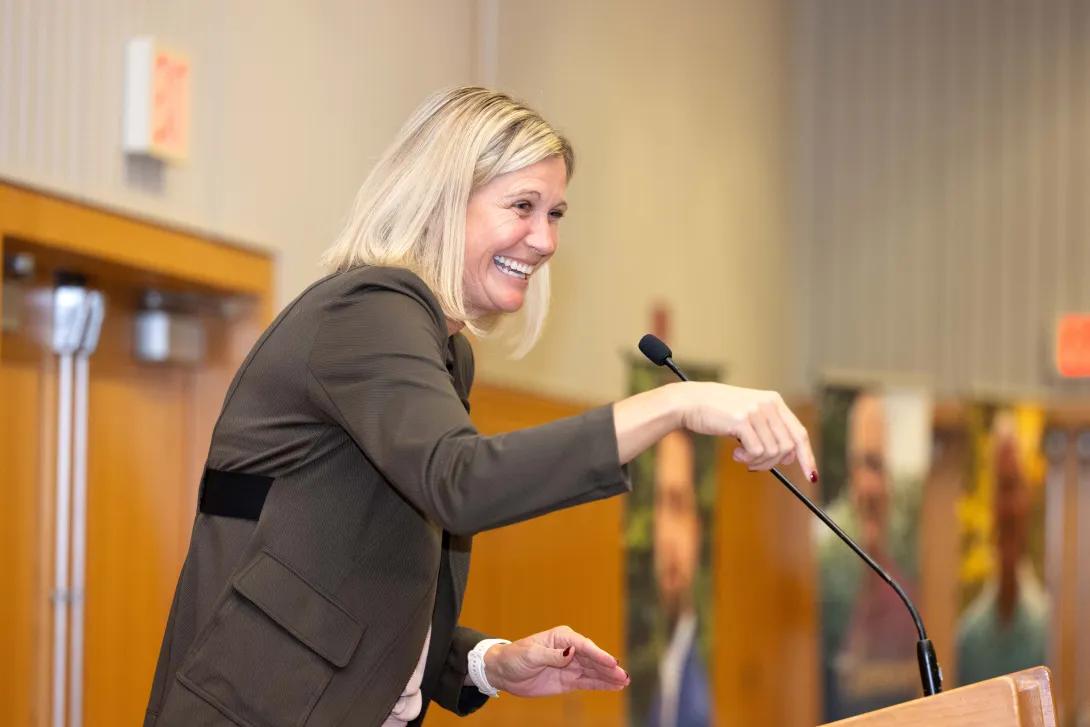
Twelve years ago, Courtney Reid was a 33-year-old mother of three who collapsed after a day of skiing. A spontaneous coronary artery dissection triggered her arrest; fate, preparation, and an AED in a police car kept her alive.
“One moment I was alive and, well, the next I wasn’t,” Reid said. “I consider myself incredibly lucky to be among the few who survive a sudden cardiac arrest. I’m convinced my survival and recovery are directly attributable to the officers who responded so quickly, and to the availability of an AED in their patrol car. Their preparedness played a crucial role in my story.”
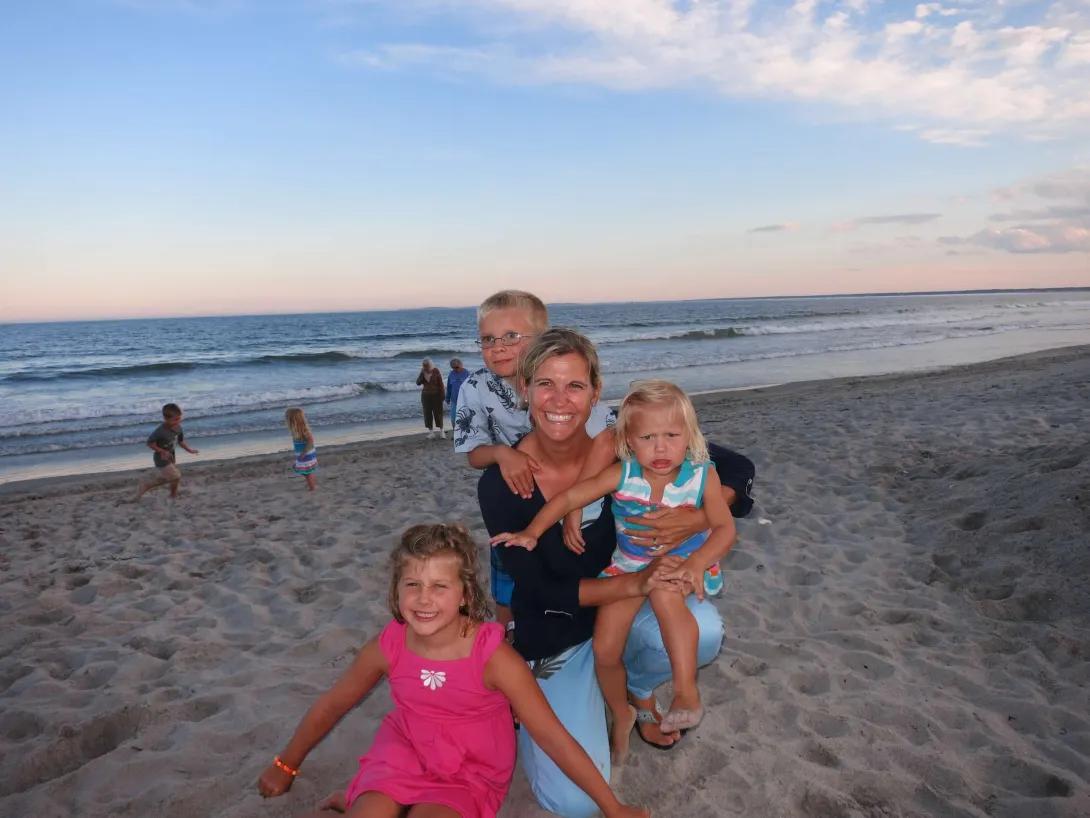
In a reflection she shared for the event, Reid recalled, “I woke up in the hospital 3 days later, having no idea what had happened to me. I was 33 years old. I had three young children. I was fit and healthy. I spent five days in the ICU and eight more days in the hospital. I entered cardiac rehab, where I was the youngest patient by at least 25 years.”
Community carried her through.
“Meal trains, gift cards, notes of encouragement, check-ins, and help with housework and childcare were just a few of the things they did to make my life easier,” Reid said.
And she paid it forward.
“I made sure to connect with the police officers who were first on the scene to thank them, put together a fundraiser to put AED's in the back of every Pittsfield Township police car,” Reid said.
Her message is clear.
“Doing nothing is the worst thing a bystander can do,” Reid said. “Any attempt at chest compressions is better than nothing, and taking two minutes to educate yourself on proper chest compressions can go a long way in the life of a cardiac arrest survivor.”
“I’ve been… living life!” — Ethan King
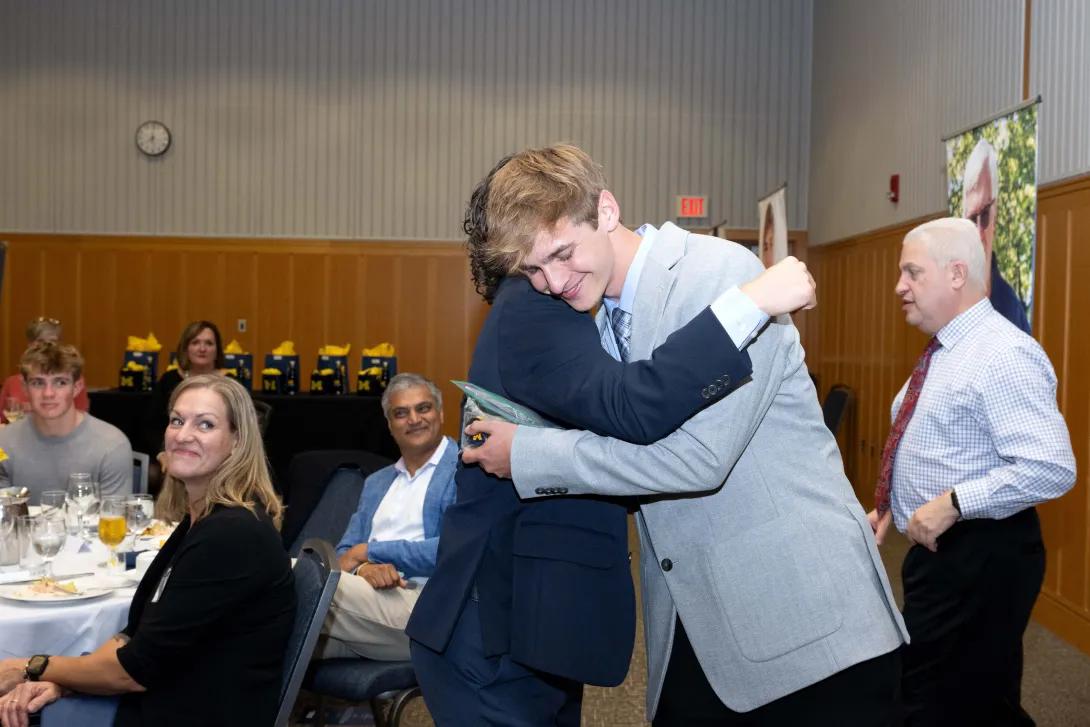
Just four days into his freshman year, U-M aerospace engineering student and club runner Ethan King collapsed on a training run. Students called 911, but by luck, a passing undergrad trained in CPR, and a nearby physician stepped in until first responders delivered shocks with an AED.
“I was in a medically induced coma for a couple days following that,” King said. “Waking up, I faced a big, big range of emotions and confusion.”
From there, the hospital team “did an absolutely wonderful job,” King said.
Then he got to work and created a CPR training club.
“We actually founded Cardiac Arrest Preparation [CAP] where we do CPR trainings,” King said. “We trained about 350 people so far, and have more training coming up.”
Within a year, he was running again.
“I ran 28 miles over that 24 hours, which is pretty crazy to get to do that, a little over six months after getting outside — really, really lucky to do that,” King said.
Now he’s focused on making memories.
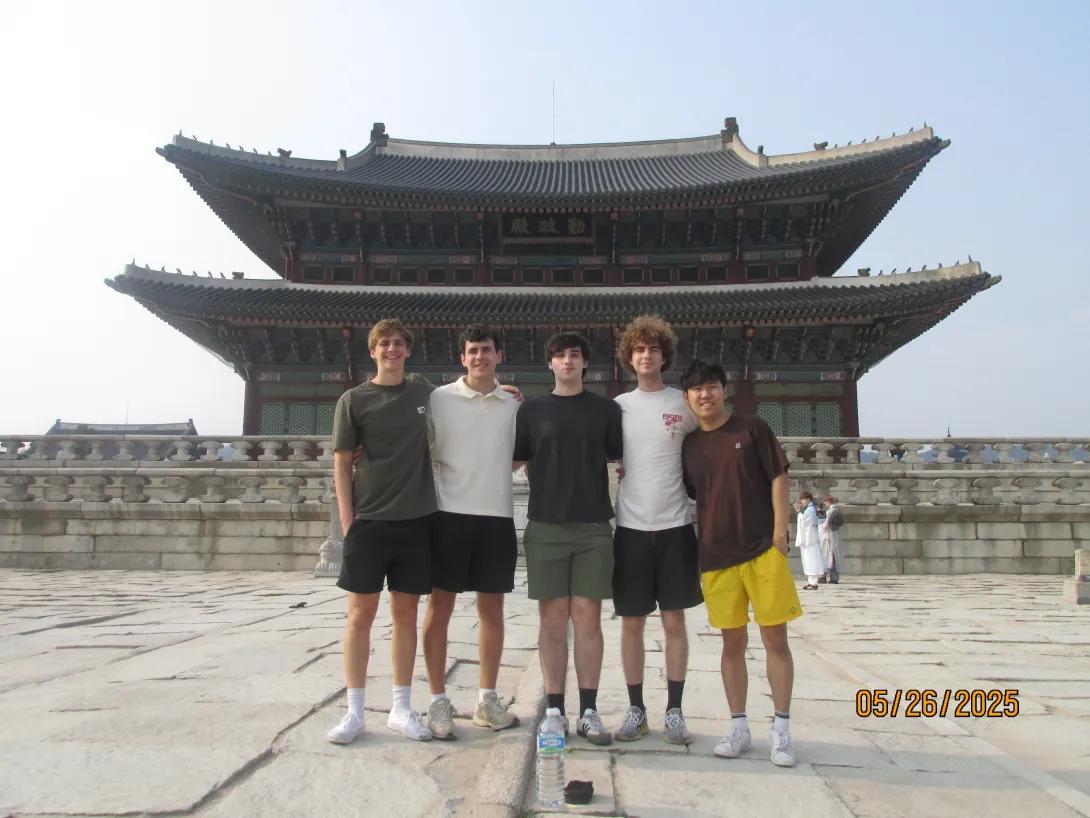
“I was able to take once-in-a-lifetime trips to visit my friend in South Korea as well as visit another friend in Scotland,” King said. “I also went hiking in Maine and Nova Scotia with my family. I am incredibly grateful for this extra year, and so happy that I have been able to make these memories with the people close to me.”
He ended simply: “I know that I said thank you a lot — That's kind of the point — But I just want to thank everybody again for all their help.”
A year later, a finish line reclaimed
Among the evening’s most uplifting moments was a runner’s return to the place that stopped his heart.
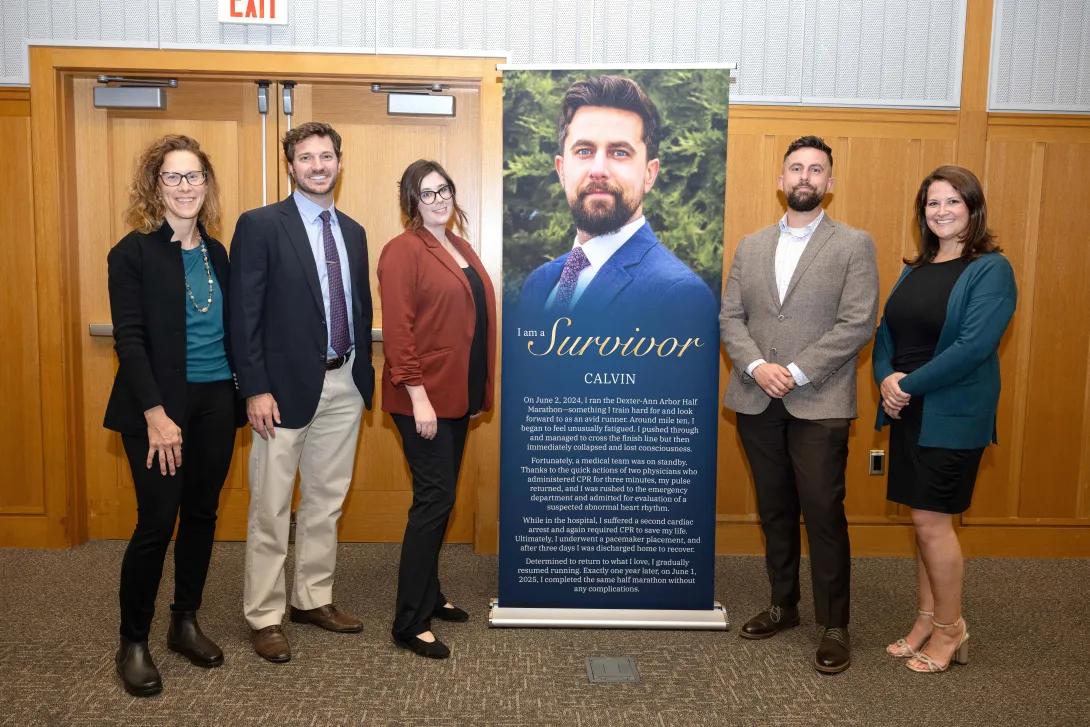
“Exactly one year later, on June 1, 2025, I completed the same half-marathon that caused my cardiac arrest, without any complications,” said Calvin Gray, a survivor at the event who arrested at the finish line of the Dexter-Ann Arbor Half Marathon in 2024 and required CPR twice during his hospitalization.
His story, like Reid’s and King’s, underscores the same theme: fast action, expert transitions, and comprehensive recovery save lives.
Every minute counts
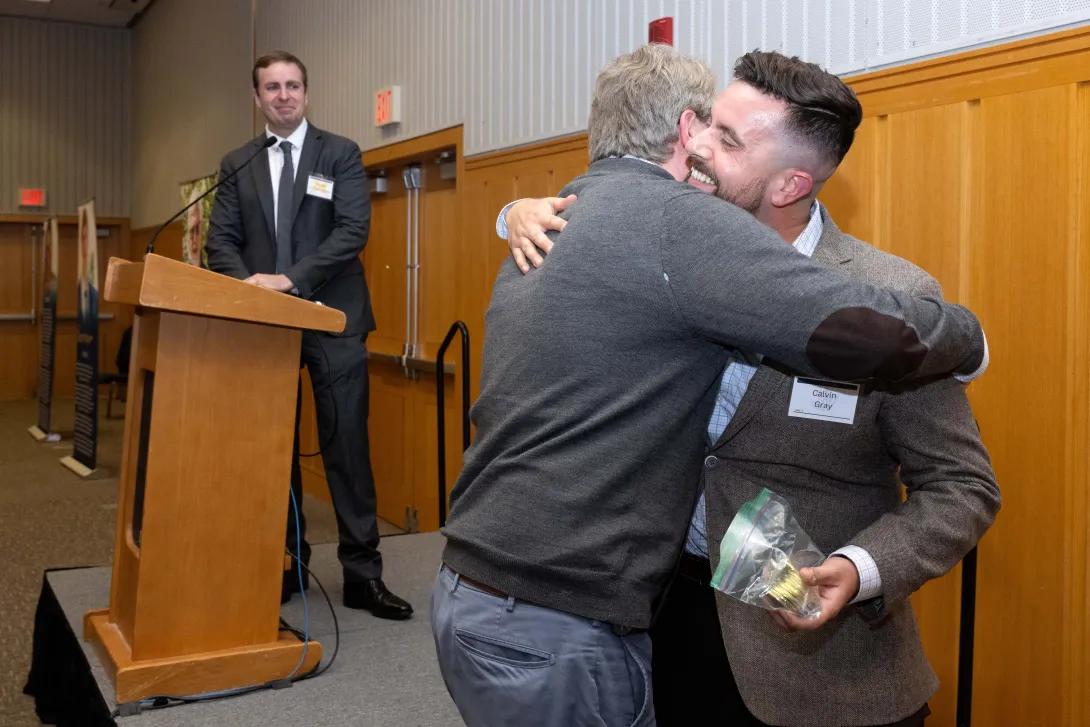
This celebration drove home the same lesson: recognition, call 911, CPR, defibrillation, and seamless transitions to advanced care determine outcomes.
“Sudden cardiac arrest is the most life-threatening human condition and the most time-sensitive disease that exists, where every minute counts in response, in terms of recognition and response,” said Robert W. Neumar, MD, PhD, Professor of Emergency Medicine and Molecular and Integrative Physiology.
He emphasized that outcomes depend on bystanders’ first moves.
“They have to recognize it, and call 911, and then they have to provide the most important therapy, which is starting CPR as soon as possible,” Dr. Neumar said. “That makes the biggest difference in patients' outcomes, by all the research that's been done.”
That action enables the rest of the system to work.
Dispatchers coach callers. Police and fire arrive with AEDs. Paramedics bring the emergency department to the field. Then come emergency physicians, ICU teams, cardiologists, and rehabilitation specialists.
As Dr. Schmitzberger said, “you really need, everybody to be on their ‘A game’ to make this happen.”
He also underscored the partnership powering the event and the work behind it.
“The Department of Emergency Medicine and the Frankel Cardiovascular Center, and the Weil Institute are cost-sharing for this event as a gesture to promote the research, promote the patient care, promote the work that we've been doing,” Dr. Schmitzberger said.
Looking ahead: more survivors, stronger systems
The organizers want this to be the start of a tradition.
“My hope is that this is going to be an annual event,” Dr. Schmitzberger said. “We’re lucky enough that we have really good outcomes at Michigan Medicine, and can make this a recurring event with our survivors.”
The night carried a clear call to action: learn CPR, advocate for AED access, and support systems that connect community responders to hospital teams without delay.
“What we can do in the hospital can help, but really, we're dependent on all of you to improve that outcome,” Dr. Neumar said.
How to help right now: Take a CPR course, locate the nearest AEDs where you live and work, and talk to your children’s schools, sports programs, and local venues about preparedness.
“Doing nothing is the worst thing a bystander can do,” Reid said.
The survivors in that room — and the teams who raced to save them — are living proof of what happens when people do something, together.
Learn CPR, Save a Life
Michigan Medicine encourages everyone to learn CPR and AED fundamentals. The more people trained; the more lives saved. To learn more about CPR certification courses available at University of Michigan, visit this page to sign up.
Additionally, you can sign up for Ethan King's Cardiac Arrest Preparation (CAP) course here.
In This Story
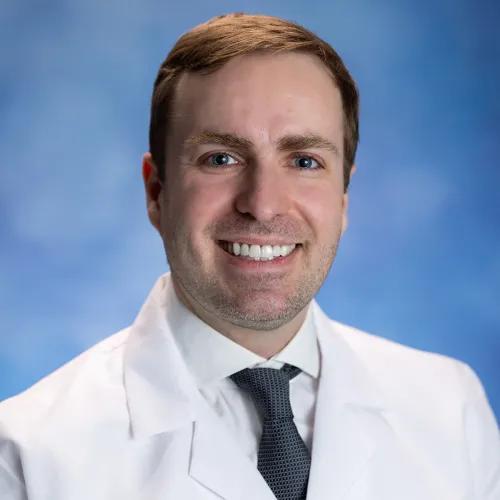
Florian F Schmitzberger, MD, MS
Clinical Assistant Professor
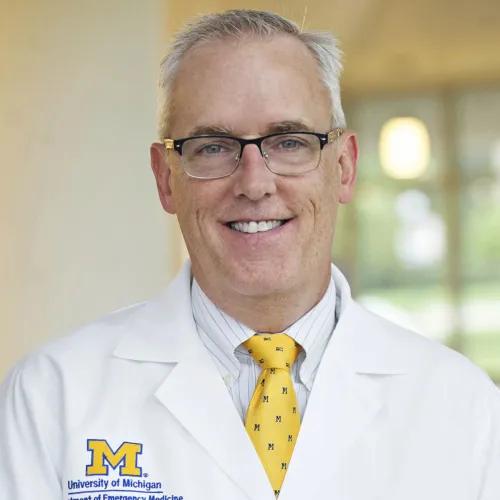
Robert W Neumar, MD, PhD
Professor
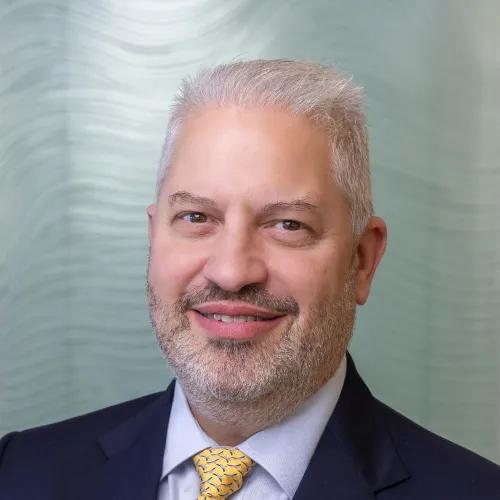
David Pinsky
Professor
Featured News & Stories
Meet Our New Emergency Medicine Fellows and Faculty
From walk-in clinic to national leader: How Michigan Medicine’s Pediatric Emergency Division was built
The Long Road to Emergency Medicine: How Michigan Built a New Specialty
Miracle Man: Saved in a High-Risk Winter Flight, 24 Years Later, a Family Still Gives Thanks
Finding Joy in Leadership: Brian Zink, MD, on Coaching, Purpose and the Next Phase of Academic Medicine