CAR-T Cell Therapy: What It Is and How It Could Help APS Patients in the Future
The APS Program Community Q&A Series answers questions received from the APS Program community and covers a variety of topics.
Author: Yu (Ray) Zuo, MD, MSCS
CAR-T Cell Therapy: What It Is and How It Could Help APS Patients in the Future
Imagine retraining your own immune cells to fight disease—not just infections or cancer, but your autoimmune condition itself. That’s the promise of CAR-T cell therapy, a groundbreaking treatment originally designed for blood cancers that is now being explored for autoimmune diseases like lupus—and possibly in the future, antiphospholipid syndrome (APS).
I'm honored to co-author this article with my friend and colleague, Dr. Maximilian Konig from Johns Hopkins University, a leading expert in developing CAR-T cell therapies for autoimmune diseases. Together, we’ll walk you through what CAR-T therapy is, why it might hold promise for APS, and where the research is headed.
What Is CAR-T Cell Therapy?
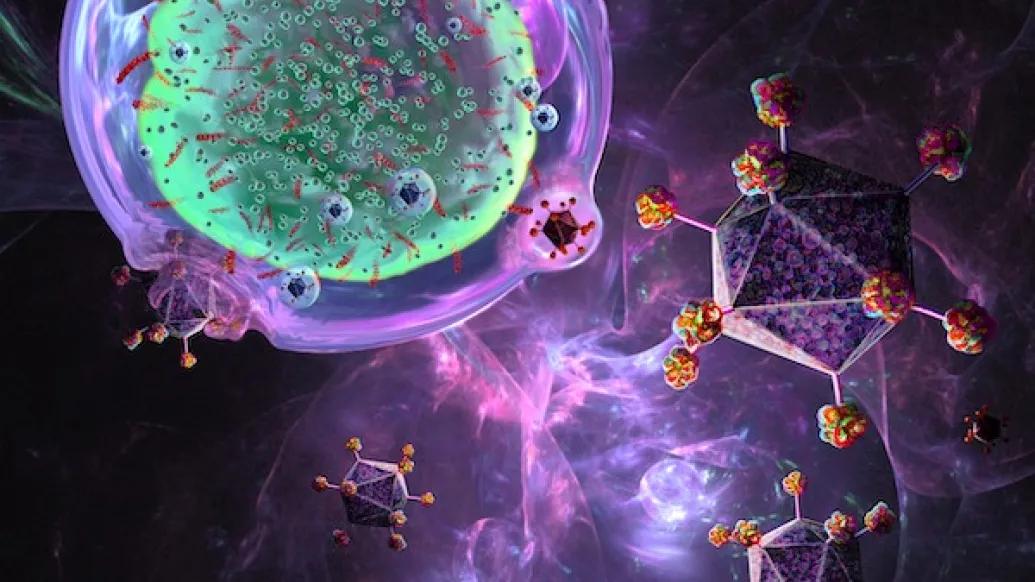
CAR-T stands for chimeric antigen receptor T-cells. In Greek mythology, the Chimera was a fearsome, three-headed beast—part lion, part fire-breathing goat, and part serpent—that terrorized the countryside of Lycia. Similarly, chimeric antigen receptors (CARs) are engineered hybrids: part antibody (for precise targeting), part co-stimulatory domain (to add firepower and persistence), and part signaling tail (to trigger killing). When these lab-designed receptors are introduced into infection-fighting white blood cells known as T cells, they transform them into a powerful, personalized form of immunotherapy—capable of recognizing and destroying harmful cells in the body (1-3). This approach has proven exceptionally powerful, especially in treating refractory blood cancers known as “B-cell lymphomas,” for which CAR-T therapy is currently FDA-approved in the United States.
Here’s a simplified step-by-step:
- T Cell Collection: Your blood is filtered through a machine to collect white blood cells. This is called “apheresis,” which is similar to a blood donation.
- Cell Engineering: In a laboratory, your T cells are isolated from the pool of white blood cells, activated, and modified with a chimeric receptor that targets a specific marker—typically CD19—on B cells. B cells are not only the source of harmful autoantibodies in diseases like lupus and APS, but can also sometimes turn into cancer called lymphoma.
- Cell Expansion: These new CAR-T cells are expanded in the laboratory over several weeks to generate large quantities. Once ready, the cells are infused back into your body, where they find and eliminate the B cells that produce harmful antibodies.
Could CAR-T Cells Work for APS?
APS is an autoimmune disease in which the immune system makes antibodies that cause blood clots, pregnancy complications, and other problems (4, 5). These antibodies—such as those against beta-2 glycoprotein I—are produced by B cells. Early research suggests CAR-T therapy could one day become a transformative treatment for patients with APS by:
- Eliminating the B cells that produce harmful antiphospholipid antibodies.
- Reducing the risk of clots or pregnancy loss.
- Possibly achieving remission without the need for lifelong anticoagulation.
While this has not been systematically studied, the concept is supported by parallels with lupus, as well as tantalizing case reports. In fact, one of the first patients with an autoimmune disease ever reported to have received CAR-T cells was a patient with APS who developed a difficult-to-treat B-cell lymphoma (6). In lupus, small clinical trials have since shown dramatic results—some patients experienced full remission and were able to stop their medications after just one infusion (7). While patients with APS have been excluded from early-phase CAR-T cell trials, this is starting to change.
What Is the Treatment Process Like?
CAR-T therapy is significantly more complex than a typical treatment, but with proper care, many patients find it manageable:
- Pre-Treatment Testing: Doctors check your health and may adjust medications.
- T Cell Collection: Done through a process called leukapheresis. This is required for all CAR-T cell products that are called “autologous.” You may encounter cell therapy products that use “allogeneic” CAR-T cells, which are prepared from healthy donor cells, eliminating steps 2 and 3.
- Waiting Period (2-4 weeks): Your T cells are engineered and expanded in a specialized lab (see above).
- Chemotherapy: Administered a few days before the cell infusion to help the CAR-T cells work better and continue to increase in numbers after infusion into the body.
- CAR-T Infusion: A short IV procedure, usually 30-60 minutes.
- Monitoring: For 4-14 days, you’ll be closely watched for side effects. This is generally done in the hospital. Some experience flu-like symptoms, while others may develop more serious side effects (see below).
- Follow-Up: Continued visits over the next few months to track recovery and immune response.
Potential Benefits—and Risks—to Know About
CAR-T cell therapy offers the hope of long-term remission with just one treatment. For some lupus patients, it has led to months—even years—off medications. However, it’s not without significant risks (1, 2):
- Cytokine Release Syndrome (CRS): A common side effect that can cause fever, low blood pressure, or breathing problems. Usually treatable, but in rare cases, may require intensive care.
- Neurological Symptoms: Such as confusion or headaches, typically temporary, and fortunately not common in patients with autoimmune diseases (compared with patients receiving CAR-T cells for cancer).
- Infection Risk: Chemotherapy followed by B-cell depletion weakens the immune defenses for months. Therefore, all patients receive prophylaxis with antibiotics, antifungals, and antiviral medications.
CAR-T remains experimental for autoimmune diseases and requires specialized care and close monitoring. It is not yet FDA-approved for any autoimmune condition.
Where Are We with Cell Therapy for APS?
Although no CAR-T cell therapies are currently approved for APS. Two clinical trials are now underway in China, specifically evaluating CD19-targeting CAR-T cells in patients with primary APS. These studies represent a critical step toward determining whether this powerful approach—already showing promise in other autoimmune diseases like lupus—can be safely adapted for APS(5).
Early case reports have added to the intrigue. In one example, a patient with longstanding APS and lymphoma experienced a drop in antiphospholipid antibody levels following CAR-T therapy (6). In another report, a woman with lupus and triple-positive APS achieved sustained normalization of all three major APS-related antibody tests after CAR-T treatment for aggressive B-cell lymphoma (8). While these cases are complex and not conclusive, they suggest that reprogramming the immune system in this way might have meaningful effects on APS biology.
At the forefront of next-generation innovation, Dr. Konig’s lab at Johns Hopkins is pioneering a novel strategy known as BaiTEs—bispecific autoantigen-T cell engagers. Unlike traditional CAR-T therapy, which broadly targets all B cells, BaiTEs are designed to precisely eliminate only the B cells responsible for producing disease-causing antiphospholipid antibodies, such as anti-β2 glycoprotein I. By sparing healthy immune cells, this approach may preserve protective immunity and reduce the risk of infections—one of the major challenges with standard CAR-T treatment. Preliminary preclinical lab results have shown that BaiTEs can selectively eliminate pathogenic B cells in a dose-dependent manner, offering a highly targeted and potentially safer therapeutic alternative(9).
While these advances are still in the early stages, they offer a hopeful glimpse into the future—one in which we might not have to rely on lifelong anticoagulation or broad immunosuppression to manage APS. If successful, these therapies could mark a major shift in how we treat the underlying cause of the disease, not just its complications
Bottom Line: A New Frontier of Possibility
CAR-T therapy represents a promising frontier for treating severe autoimmune diseases. While we are still likely several years away from using this approach routinely in APS, the field is advancing quickly. With continued research, there may come a day when APS patients can live free from lifelong blood thinners—by targeting the root cause of the disease, not just its symptoms. Until then, we’ll be watching closely as science brings us one step closer.
References
Nie W, Yang X, Ma M, Xu X, Hou J. Chimeric antigen receptor T cell therapy for autoimmune diseases. Curr Opin Immunol. 2025;95:102596.
Chung JB, Brudno JN, Borie D, Kochenderfer JN. Chimeric antigen receptor T cell therapy for autoimmune disease. Nat Rev Immunol. 2024;24(11):830-45.
Lyu X, Gupta L, Tholouli E, Chinoy H. Chimeric antigen receptor T cell therapy: a new emerging landscape in autoimmune rheumatic diseases. Rheumatology (Oxford). 2024;63(5):1206-16.
Ambati A, Knight JS, Zuo Y. Antiphospholipid syndrome management: a 2023 update and practical algorithm-based approach. Curr Opin Rheumatol. 2023;35(3):149-60.
Newman TG, Knight JS. Antiphospholipid Syndrome: An Antibody-Mediated Disease With Emerging Therapeutic Opportunities. Arthritis Rheumatol. 2025.
Schmelz JL, Navsaria L, Goswamy R, Chuang HH, Miranda RN, Lee HJ. Chimeric antigen receptor T-cell therapy's role in antiphospholipid syndrome: a case report. Br J Haematol. 2020;188(3):e5-e8.
Zhou J, Lei B, Shi F, Luo X, Wu K, Xu Y, et al. CAR T-cell therapy for systemic lupus erythematosus: current status and future perspectives. Front Immunol. 2024;15:1476859.
Friedberg E, Wohlfarth P, Schiefer AI, Skrabs C, Pickl WF, Worel N, et al. Disappearance of antiphospholipid antibodies after anti-CD19 chimeric antigen receptor T-cell therapy of B-cell lymphoma in a patient with systemic lupus erythematosus and antiphospholipid syndrome. J Thromb Haemost. 2025;23(1):262-6.
Xia Y LJ, Pearlman A, Mog B, Shaw E, Kaeo K, Gliech C, Moritz B, Awosika T, DiNapoli S, Glavaris S, Ge J, Nichakawade T, Marcou N, Paul S, Pardoll D, Bettegowda C, Goldman D, Petri M, Rosen A, Kinzler K, Zhou S, Vogelstein B, Konig M. Bispecific Autoantigen-T Cell Engagers (BaiTE) to Selectively Target Autoreactive B Cells in Antiphospholipid Syndrome [abstract]. Arthritis Rheumatol. 2023.
Guest Author: Maximilian Konig, MD

Dr. Maximilian F. Konig is an Assistant Professor of Medicine in the Division of Rheumatology and the Ludwig Center for Cancer Genetics and Therapeutics at Johns Hopkins University, where he also directs the Cellular Therapy Program (Autoimmunity). He completed his medical training at Charité – Universitätsmedizin Berlin, followed by residency at Massachusetts General Hospital (Harvard Medical School) and rheumatology fellowship and research training at Johns Hopkins. His postdoctoral work with Drs. Felipe Andrade and Bert Vogelstein focused on drivers of autoimmune diseases and cell therapy.
Dr. Konig’s research bridges autoimmunity and cancer immunotherapy, with a focus on developing precision immunotherapies for autoimmune diseases—more targeted cell therapies to eliminate disease-causing immune cells without impairing normal immune function. He is especially interested in advancing two of these therapies, CATCR-T cells and BaiTEs, for patients with APS.
Join Our Email List
If you are interested in receiving updates on our patient care and research efforts, please join our APS Program email list.
In This Story
Yu (Ray) Zuo, MD, MS
Assistant Professor
Featured News & Stories

A pediatric epilepsy fundraiser that changes lives

Cellular and Molecular Biology program welcomes new associate director

Dr. Cornelius James and his team develop Physician Readiness Report for AI in Clinical Practice

Innovative children’s vision research gets a boost from the Knights Templar Eye Foundation

How exposure to bacteria may protect us