
Kelly Malcom
Lead Research Communicator
Malcom is a lead research communicator for Michigan Medicine and research communications strategist for the U-M Medical School, with more than 20 years of experience in strategic communications, marketing, and health and science writing. She covers the basic science departments, pulmonary and critical care medicine, infectious disease, pathology and anesthesiology. Contact: [email protected]

Health Lab
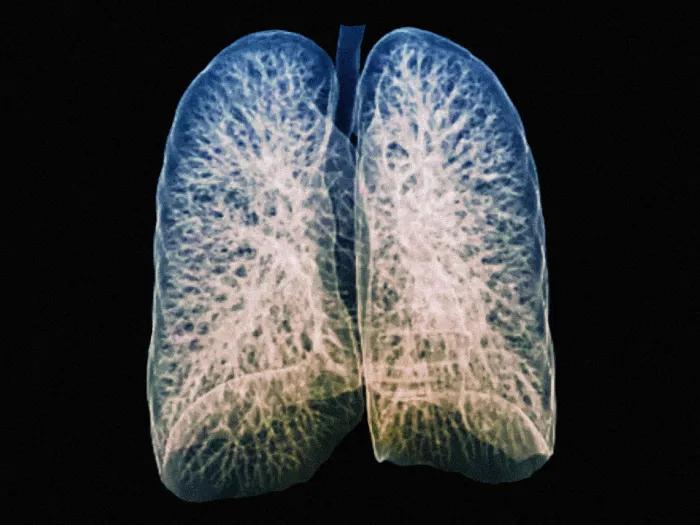
Study reveals potential to reverse lung fibrosis using the body’s own healing technique
A recent U-M study uncovers a pathway utilized during normal wound healing that has the potential to reverse idiopathic pulmonary fibrosis.

Health Lab
An updated rat reference provides more accuracy for research
An updated rat reference provides more accuracy for research; could help researchers using rat models for the study of DNA, RNA, evolution, or genes linked to disease risks
Health Lab
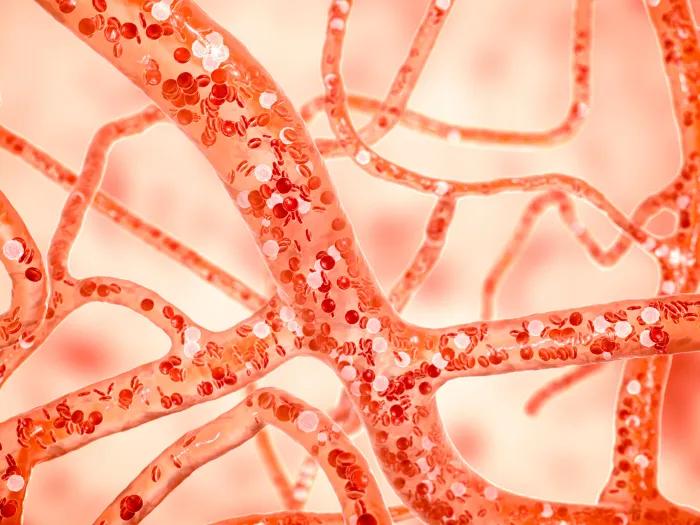
Discovery reveals how this common stinky gas is processed to promote blood vessel growth
A new collaborative study, examined the interaction between three naturally occurring gases — nitric oxide (NO), oxygen, and H2S — during generation of new blood vessels, called angiogenesis.

Health Lab
How do we reduce sepsis nationwide?
Hallie Prescott of the Michigan Medicine Division of Pulmonary & Critical Care Medicine is providing guidance at the state and national level to reduce the burden of sepsis in hospitalized patients.

Health Lab
Long COVID-19 is linked to chronic pain conditions
Therapies for pain conditions like fibromyalgia provide clues for helping those with long COVID-19
News Release
U-M Medical School sees significant growth in NIH research awards and ranking
Based on recent federal fiscal year data released by the National Institutes of Health (NIH), the largest single funder of biomedical research in the world, the U-M Medical School is ranked number 11 in the country, up from 13 in federal fiscal year 2022.
Health Lab
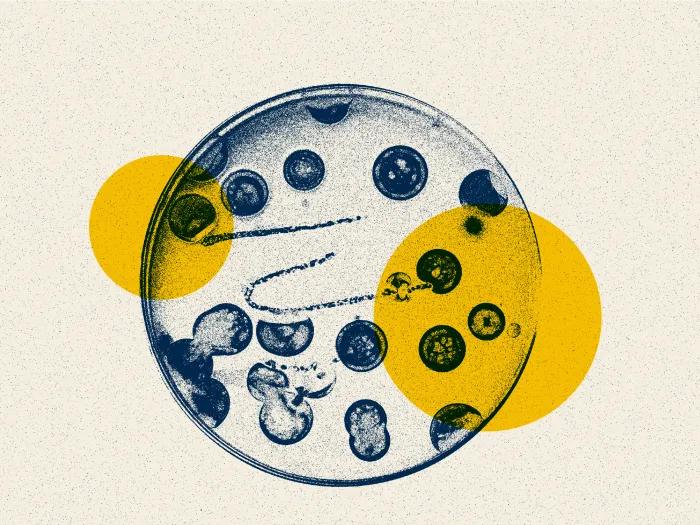
Bacteria in the mouth linked to pulmonary fibrosis survival
Bacteria in the mouth may play a role in survival from idiopathic pulmonary fibrosis (IPF).
Health Lab
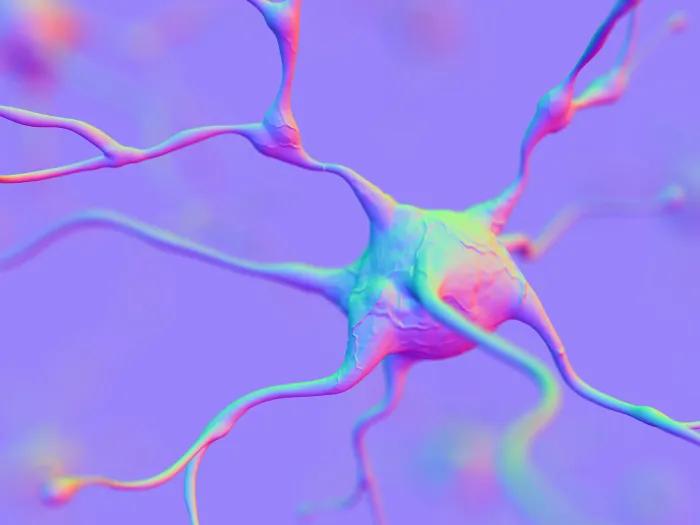
Two genes linked to autism implicated in brain cell connectivity
A new study links two autism-associated genes together for the first time, potentially revealing a mechanism behind brain changes seen in people with autism.

Health Lab
Immunocompromised patients and COVID infections: Who’s at risk?
A prospective study published in the journal Lancet Microbe provides more clarity on which patient populations are at higher risk for prolonged infections — and hints that this fear is likely unwarranted.

Health Lab
CRISPR off-switches: A path towards safer genome engineering?
A study from the University of Michigan Medical School developed off-switches useful for improving the safety of the Type I-C/Cas3 gene editor.
Health Lab
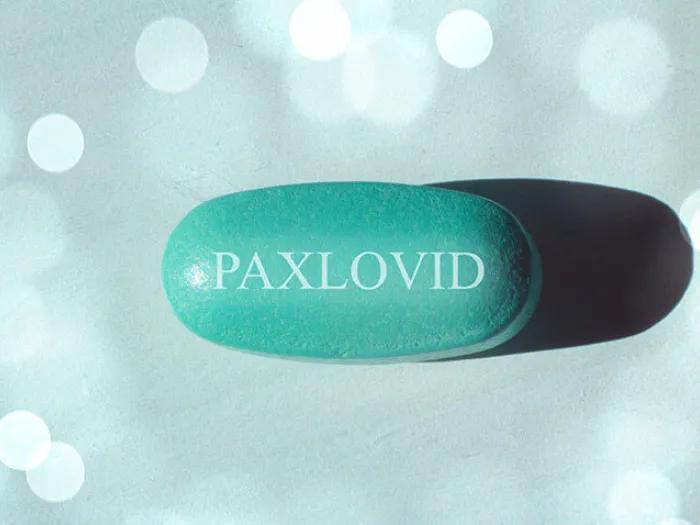
A how-to guide to COVID treatments
A Michigan Medicine FAQ about Paxlovid, with new information since its FDA approval in May 2023.

Health Lab
More clues revealed about the causes of an allergic inflammation of the esophagus
A recent study from U-M offers more insight into the underlying causes of EOE.
Health Lab
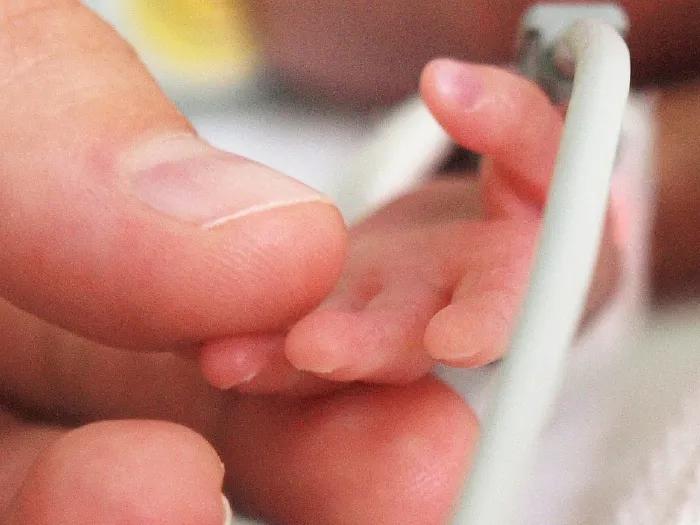
Preterm birth predicted using new approach for harmonizing diverse microbiome data
A team developed a new approach for combining microbiome data together while overcoming the noise introduced by the different techniques used in each study into a tool they dubbed MaLiAmPi (Maximum Likelihood Amplicon Pipeline).
Health Lab
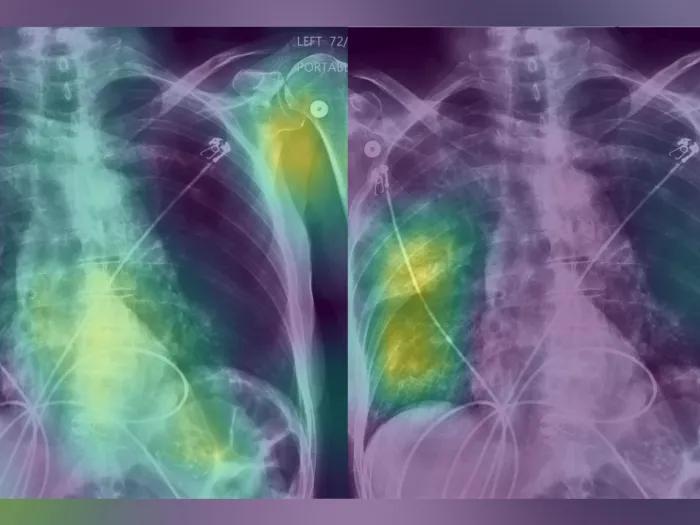
Clinicians could be fooled by biased AI, despite explanations
U-M study shows accurate AI models improved diagnostic decisions, but biased models led to serious declines

Health Lab
The growing use of hemp-derived alternative cannabis products containing CBD, Delta-8-THC, CBG, CBN
A Michigan Medicine study published in JAMA Network Open examines past-year use of some of these hemp-derived cannabinoids, including cannabidiol, Delta 8-THC, cannabigerol and cannabinol.
