
Kelly Malcom
Lead Research Communicator
Malcom is a lead research communicator for Michigan Medicine and research communications strategist for the U-M Medical School, with more than 20 years of experience in strategic communications, marketing, and health and science writing. She covers the basic science departments, pulmonary and critical care medicine, infectious disease, pathology and anesthesiology. Contact: [email protected]

Great Minds, Greater Discoveries Stories
Samantha Schon, MD: Investigating the impact of obesity on fertility
Learn more about the innovative work of research investigators at the University of Michigan Medical School.
Research News
Two U-M PhD students named to the HHMI Gilliam Fellows Program
Two University of Michigan students and their PhD advisors have been named to the 2025 cohort of the HHMI Gilliam Fellows Program.
Health Lab
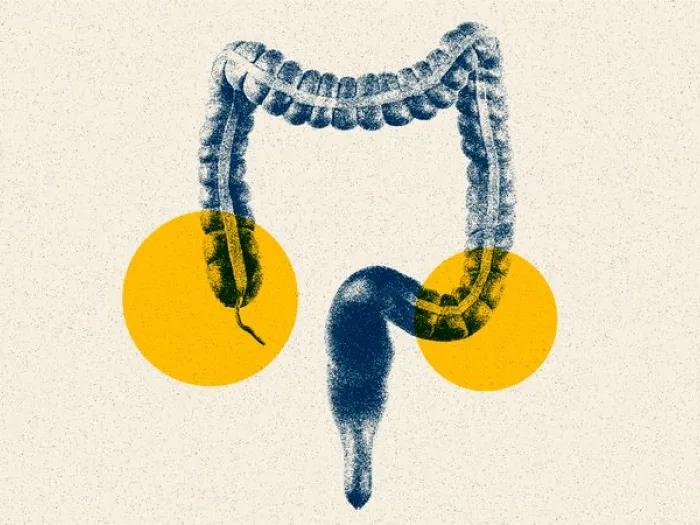
Evolutionary insights into the development of the human intestine
An international research team finds that the human gut is a site of rapid change, with recent and important deviations from other mammals.
Great Minds, Greater Discoveries Stories
Alison Affinati, MD, PhD: Uncovering the link between stress, the brain, and diabetes
Learn more about the innovative work of research investigators at the University of Michigan Medical School.

Health Lab
Study identifies function behind mysterious variants for gene linked to colon cancer
Michigan Medicine researchers identify the function behind mysterious variants for a gene linked to colon cancer.
Great Minds, Greater Discoveries Stories
Research Scout Scholar: Joshua Welch, PhD
Meet Dr. Joshua Welch, a Great Minds Research Scouts scholar at the U-M Medical School.
Great Minds, Greater Discoveries Stories
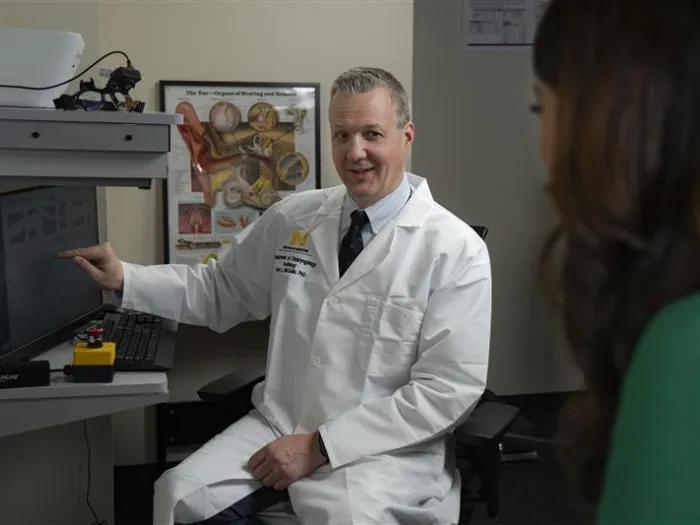
Devin McCaslin, PhD: Advancing treatments and diagnostics for hearing and balance issues
Learn more about the innovative work of research investigators at the U-M Medical School.
Great Minds, Greater Discoveries Stories
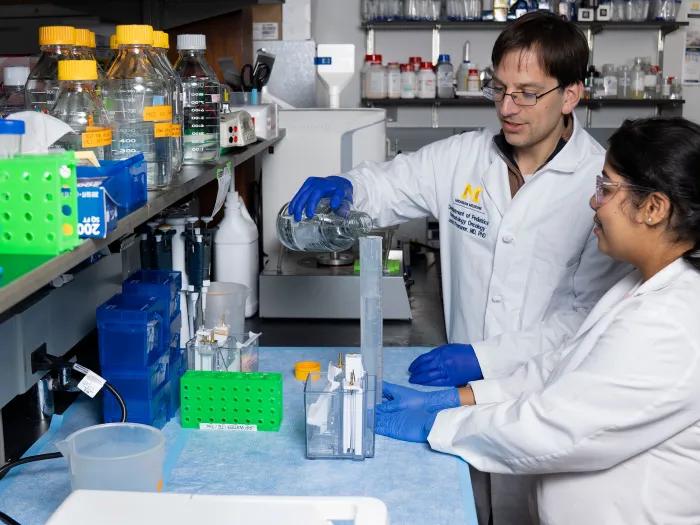
John Prensner, MD, PhD: Research helps beyond one person or one disease
Learn more about the innovative work of research investigators at the University of Michigan Medical School.
Great Minds, Greater Discoveries Stories
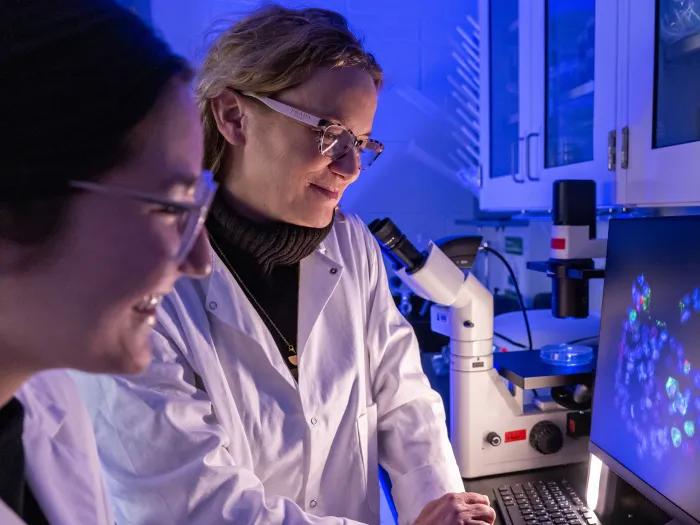
Michelle Hastings, PhD: Investing in a simple but powerful way to make medicines
Learn more about the innovative work of research investigators at the U-M Medical School.
Health Lab
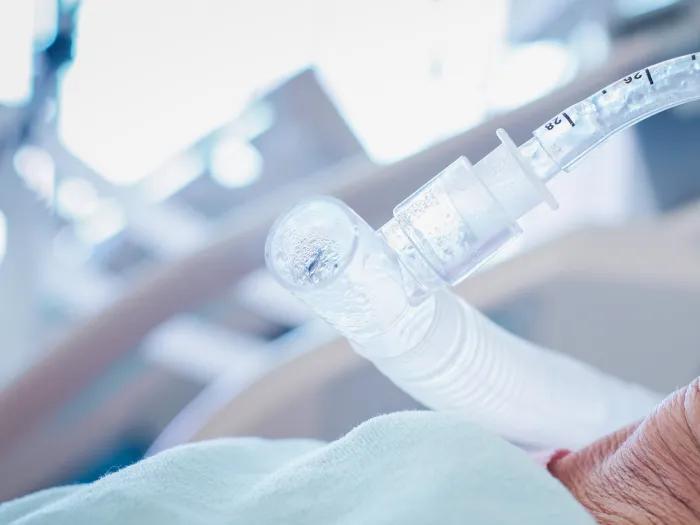
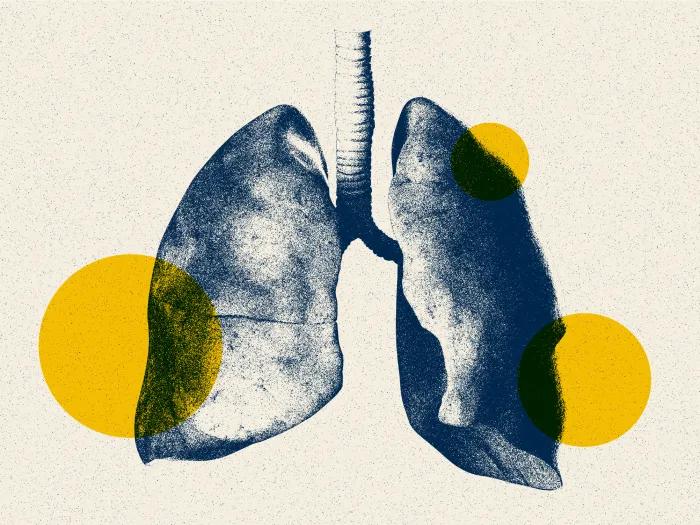
Removal of ventilator breathing tube is delayed for some patients, posing health risks
A study by Michigan Medicine determined how many patients who pass spontaneous breathing trials were extubated within six hours and what factors were associated with staying connected to a ventilator.
Health Lab
Switching inhalers could have good effects on the climate, but bad effects on health
A JAMA Internal Medicine looked at two groups of patients treated for COPD and asthma who were switched from budesonide/formoterol (commonly known as Symbicort) to the dry powder inhaler fluticasone/salmeterol. The change was associated with increased steroid use.
Health Lab
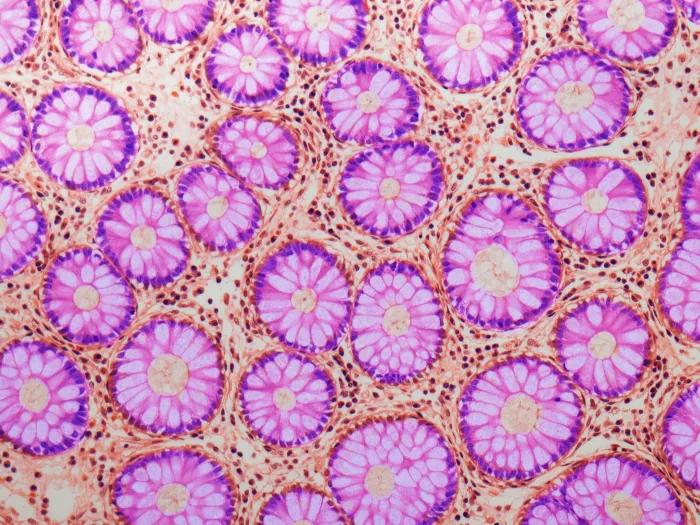
Research links iron-mediated cell death and inflammatory bowel disease
New basic science insights into programmed cell death could offer relief for inflammatory bowel disease. The University of Michigan study reveals a connection between lipid reactive oxygen species, iron-mediated cell death and IBD.

Health Lab
Researchers engineer a herpes virus to turn on T cells for immunotherapy
The University of Michigan team identified herpesvirus saimiri, which infects the T cells of squirrel monkeys, as a source of proteins that activate pathways in T cells that are needed to promote T cell survival.

Health Lab
The scent of death?
New research work discovers that the presence of dead members of C. elegans has profound behavioral and physiological effects, leading the worms to more quickly reproduce and shorten their lifespans.

Health Lab
Improved model system allows researchers to study embryo development
Research improves upon a popular experimental model revealing more of the inner workings of a critical period during the formation of an embryo.
