
Beata Mostafavi
Public Relations Manager
Mostafavi leads media relations and content creation for University of Michigan Health C.S. Mott Children’s Hospital and Von Voigtlander Women’s Hospital. Prior to joining Michigan Medicine in 2012, Mostafavi spent 10 years as a journalist. Contact: [email protected]


Health Lab
E-Bikes are everywhere, but most parents say they don’t know enough about them
Electric bikes have become a familiar sight in communities across the country, but most parents say they know little about them or where they’re supposed to be used, a national poll suggests.

News Release
C.S. Mott Children’s Hospital named No.1 children’s hospital in Michigan by U.S. News & World Report
University of Michigan Health C.S. Mott Children’s Hospital has again been named the No. 1 children’s hospital in Michigan from U.S. News & World Report, marking the 20th consecutive year the hospital has ranked among the nation’s best for pediatric care.

Health Lab
C.S. Mott Children’s Hospital first in country to implant expandable heart valve during FDA review phase
University of Michigan Health C.S. Mott Children’s Hospital is the first hospital in the country to implant an Edwards Lifesciences- produced Autus Valve during the FDA review phase of the breakthrough synthetic pulmonary valve.

Health Lab
Many parents face challenges getting kids to eat a healthy breakfast before school
Three-quarters of parents report at least one barrier to their child starting the day with a healthy meal on a typical school day, according to the University of Michigan Health C.S. Mott Children’s Hospital National Poll on Children’s Health.

Health Lab
Helping kids with ADHD thrive in school
ADHD impacts almost 1 in 11 children. Read how parents can recognize the signs and support your child in and out of the classroom

Health Lab
More teens are using AI: What parents should know
As more teens turn to tools like ChatGPT for their schoolwork, a doctor shares what parents should watch out for and how they can help their kids use AI wisely.

Health Lab
Born with half a heart, headed to college with a full life
Teen born with complex congenital heart condition called hypoplastic left heart syndrome, referred to as half a heart, prepares for big milestone as she starts college.

Health Lab
More leucovorin prescribed to kids after federal officials touted its unproven benefits for autism
A new study finds sharp increase in dispensing of leucovorin after high profile news conference touting its unproven benefits for autism.

Health Lab
Many young adults may not be ready to manage their own health care
Many young adults may be entering adulthood without the practical skills needed to manage their own health care, suggests a national C.S. Mott Children's Hospital poll.
Health Lab
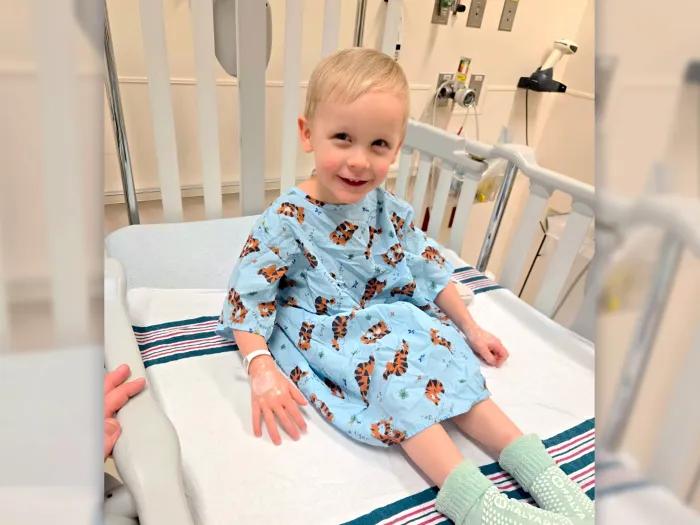
Expert complex heart surgery team saves baby with rare genetic heart condition
A baby boy born with a severe form of hypertrophic cardiomyopathy needed a complicated procedure few centers perform
Health Lab
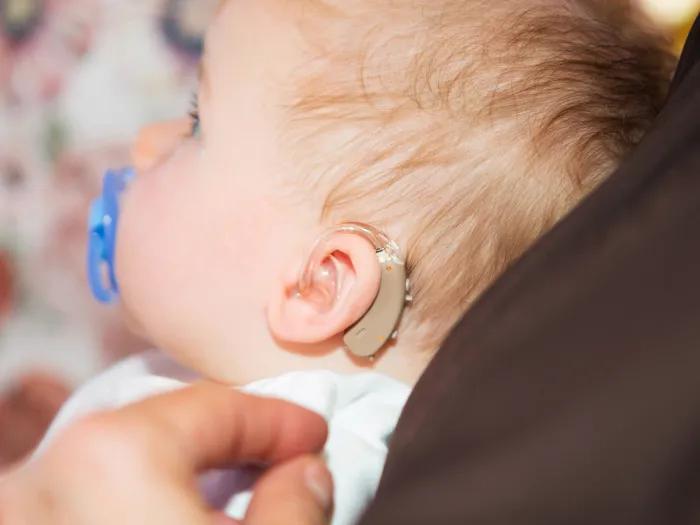
Research may help better predict outcomes in kids with congenital cytomegalovirus
Two new studies may help researchers and clinicians better understand congenital cytomegalovirus (CMV), the most common infectious cause of birth defects and a leading cause of non-genetic hearing loss in children.

Health Lab
12-year-old shares journey with sickle cell anemia on Capitol Hill
A 12-year-old takes his story to Washington, D.C., sharing with lawmakers how specialized treatment transformed his life with sickle cell disease.

Health Lab
When should parents stop tracking their kids' location?
Some parents may be crossing a line with tracking their young adult kids’ locations, according to a new national poll.

News Release
12-year-old C.S. Mott Children’s Hospital patient heads to Washington to advocate for children’s health
Twelve-year-old with sickle cell anemia to share his story with lawmakers to help them understand how federal health policies affect children like him as part of the Children’s Hospital Association’s Family Advocacy Day.

News Release
Children with craniofacial differences receive Parisian-themed Glamour Day experience
Patients from the Craniofacial Anomalies Program at University of Michigan Health C.S. Mott Children’s Hospital received the red-carpet treatment during the annual Glamour Day event.
