
Social Media as an Inflammatory Bowel Disease Self-Management Tool
A Qualitative Analysis of Reddit
CFI project lead: Tosin Adeyemi
CFI advisor: Shirley Cohen-Mekelburg, MD, MS, Assistant Professor of Internal Medicine
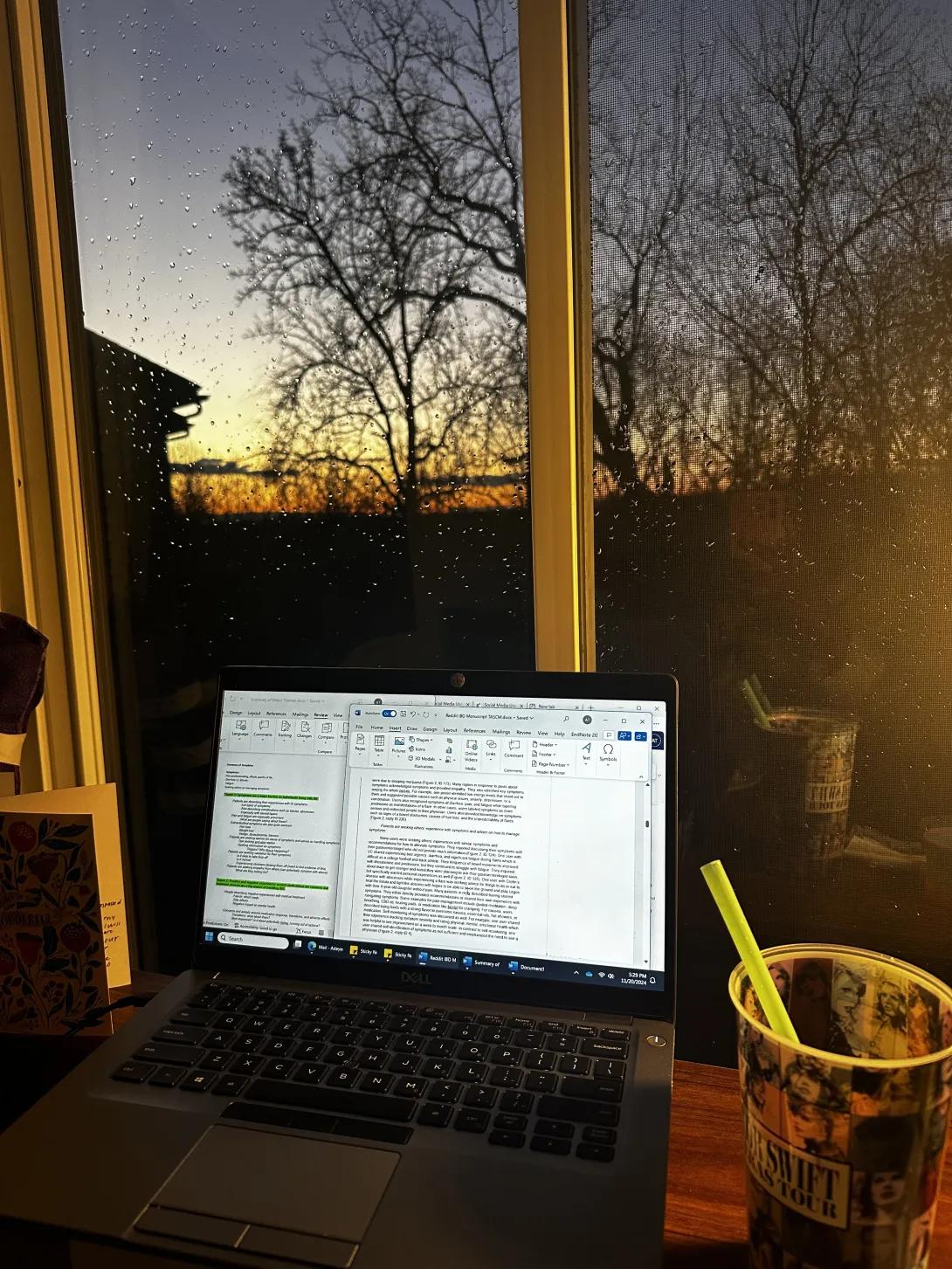
Managing IBD can be challenging, and many patients turn to social media for information, advice and support that may not be fully available in clinical settings. This study analyzed Reddit discussions among individuals living with IBD to better understand their experiences, needs and preferences outside traditional health care.
By examining nearly 660 posts from specialized IBD Reddit communities, the research identified that people commonly use these platforms to seek knowledge, share experiences and find emotional support in key areas such as symptom management, medication decisions, health care challenges, dietary strategies, mental health impacts, and social or work-related concerns.
The findings highlight important gaps in current clinical care and suggest social media plays a crucial role in providing community, validation and practical advice. Insights from this research can help guide the development of support programs that address the real-life challenges faced by people living with IBD.
Topic area: Public Health
Q&A with Tosin Adeyemi
In what ways did this project influence your academic or career goals?
This project increased my interest in a career in gastroenterology. As I read the Reddit posts, I could picture my future patients seeking knowledge and advice and envisioned myself striving to address their needs within my scope of practice. This project also gave me a glimpse into academic medicine. I worked to navigate both clinical and research responsibilities during a majority of the project. At times it was challenging, but having patients in the clinical space inspire my research goals was very rewarding. I do, however, still envision a majority of my career to be in clinical medicine.
What challenges did you face during your CFI project, and how did you address them?
The first challenge was outlining a realistic timeline to complete the project. Originally, I planned to complete my project during the two month NIH research months in January/February 2024, but realized there was a lot of pre-work that needed to be completed (e.g. drafting a study proposal and getting IRB approval) in order to make the most of my research time. I addressed this challenge by touching base with my mentor and we collectively agreed to move the NIH research time to April/May. That allowed us to use October until April to get this pre-work done. Another challenge was delays in drafting the manuscript due to my busy interview schedule for residency. I addressed this challenge by keeping my mentor updated and breaking down the manuscript into more manageable sections.
What skills did you develop while working on your project, and how might these skills benefit your future career?
I developed many skills that will benefit me in my future career. I learned how to utilize a site that was new to me, Brandwatch, to generate a query and analyze several hundred Reddit posts. I acknowledged my knowledge gap and scheduled a meeting with a library specialist for guidance. I also learned how to conduct a rapid qualitative analysis, which involves taking a large amount of text and creating summaries. This skill will help me in everyday practice as I interview patients and talk to consultants and need to communicate a concise assessment and plan. I also strengthened the skills of openly sharing a differing perspective on themes during our inter-coder reliability meetings or different parts of our manuscript. Not shying away from disagreement will be crucial within medical teams in order to reflect upon how to provide the best care. Lastly, I learned IRB and manuscript writing skills that will help me in my future research endeavors.
What was the most rewarding aspect of your CFI project, and why was it meaningful to you?
I think the most rewarding aspect was seeing everything come to fruition over time. Starting from my curiosity about a patient’s experience coupled with my mentor’s research expertise in self-management in inflammatory bowel disease was the foundation of a project that has blossomed into a manuscript almost ready for submission. Along the way, I have greatly enjoyed getting to know my mentor and learning from her, collaborating with other gastroenterologists and qualitative research experts, and learning tangible research skills. Overall, it was rewarding to work on research that I hope will improve patients’ lives in the future, and to have my patient in mind as my, “WHY,” was incredible.
If you could repeat your CFI project, what would you change to improve the outcomes or process?
If I could repeat my project, I would have changed a few things. First, I would have made a more detailed study timeline and aimed to do as much as possible prior to my NIH research time, in order to maximize that time. Different tasks came up unexpectedly (e.g. learning how to utilize Brandwatch to analyze the Reddit data) that impacted our timeline. Another thing I would change would be scheduled bi-monthly check-ins with my mentor in addition to our regular research meetings to talk about big picture topics (e.g. How is it going so far? What questions do you have? Do you have any questions about a career in GI? How is this rotation in medical school going?). I think having scheduled meetings would help foster even more continuity, although my mentor and I stayed in touch pretty regularly. Speaking of, I would have asked earlier on if she was comfortable with texting as another form of communication, especially for quick things.
What advice would you offer to future students starting a CFI project, based on your experience?
My advice is to do something you are passionate about and know your “WHY.” Even more than knowing your WHY, but writing it down or having a visual representation of it that you can refer to throughout the process. It can help motivate you during the busier research times. My visual representation was a card my patient with IBD gave me on my last day of service thanking me for my care. Another piece of advice is to be realistic about deadlines and factor in extracurriculars and residency interview season that may take away from research productivity. Lastly, to take ownership of your project. Your mentor is an amazing resource and wants you to succeed. If they suggest adding a collaborator or utilizing a tool you’ve never heard of, take the initiative of making contact with that potential collaborator and learning that tool. Enjoy the experience, time goes by fast!
