
Enhancing Surgical Education in Ghana
CFI project lead: Erin Kim
CFI advisor: Gifty Kwakye, MD, MPH, Clinical Associate Professor of Surgery
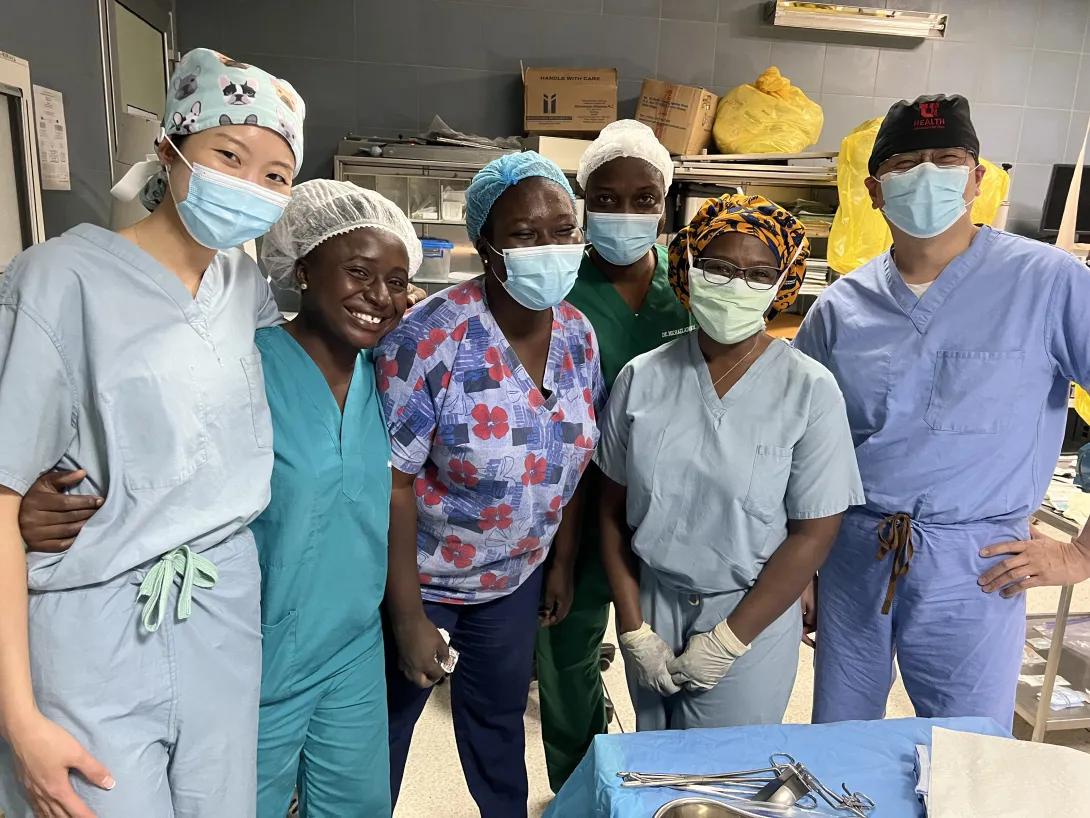
Telehealth and smart headset technology are transforming medical education by enabling remote, interactive learning — particularly valuable in lower- and middle-income countries (LMICs), where surgical trainees often work in rural areas with limited supervision. This study explored the use of a smart headset for intraoperative teaching, first piloted in the U.S. and then during a surgical team’s visit to Ghana.
The smart headset allowed remote consultations and real-time teaching during surgical procedures, giving learners the ability to view and interact with operations from afar. While participants appreciated features like remote camera controls and the potential for live instruction, key challenges emerged. These included the need for strong 4G networks, visual quality issues (such as glare and limited visibility in deep areas), difficulties using voice commands in noisy operating rooms, and technical barriers for logging in and livestreaming.
Overall, smart headsets show great promise for expanding surgical education across borders, but technical and logistical hurdles remain. Ongoing improvements to connectivity and platform usability are needed to fully realize the benefits of this technology in both the U.S. and resource-limited international settings.
Topic area: Global Health
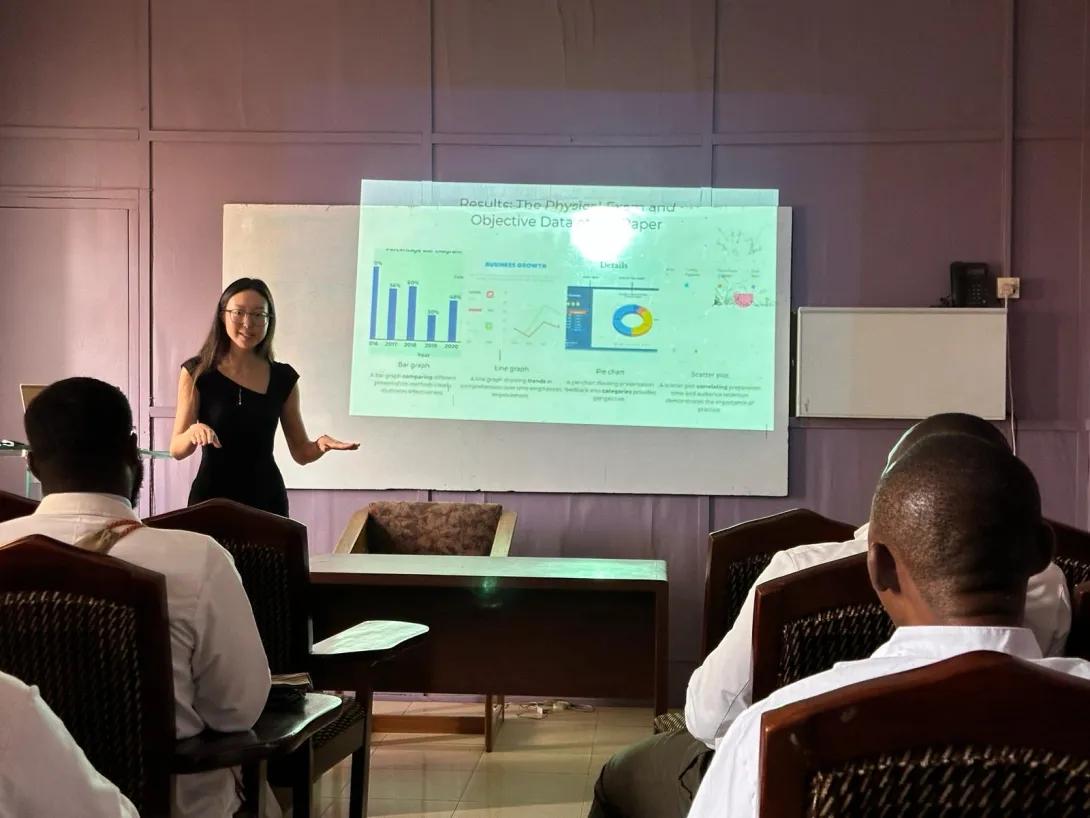
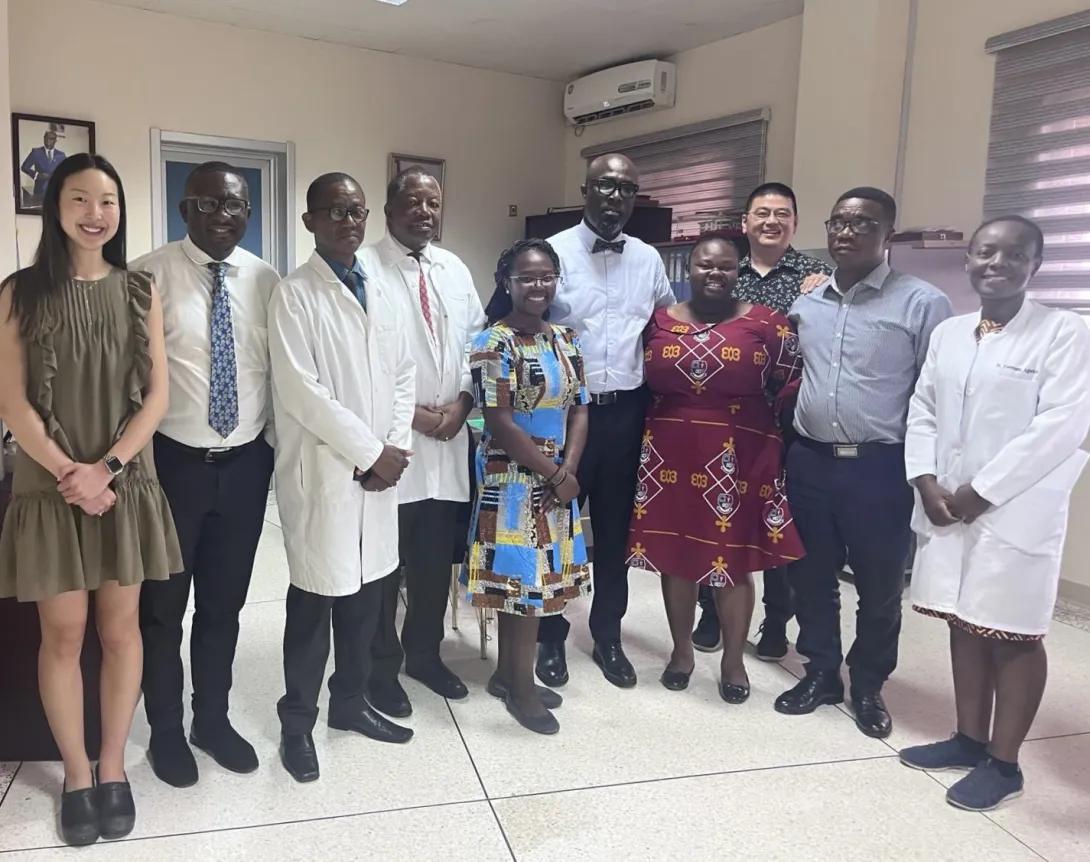
Q&A with Erin Kim
In what ways did this project influence your academic or career goals?
It showed me a career path in global surgery.
What challenges did you face during your CFI project, and how did you address them?
There were issues with technical aspects of implementation.
What skills did you develop while working on your project, and how might these skills benefit your future career?
Project management skills, scientific abstract writing etc.
What was the most rewarding aspect of your CFI project, and why was it meaningful to you?
The opportunity to get to develop international collaborators was amazing.
If you could repeat your CFI project, what would you change to improve the outcomes or process?
Troubleshoot technical aspects earlier.
What advice would you offer to future students starting a CFI project, based on your experience?
It's a marathon, not a sprint!
