
Mariama Runcie, MD
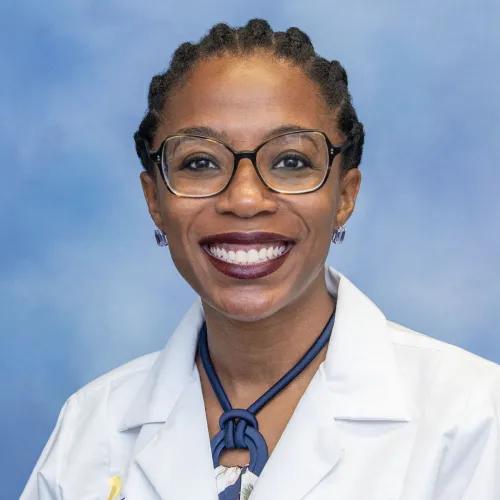
Clinical Instructor in Emergency Medicine
Medical School
Email:
[email protected]
Available to mentor
Mariama Runcie, MD
Clinical Instructor
Manage Your Profile
About
Dr. Mariama Runcie is a clinical instructor in the Department of Emergency Medicine. Her research focuses on neurologic emergencies. She has previous experience investigating EEG usage in the ED, developing patient education curriculum, and developing anti-human trafficking toolkits. Dr. Runcie has expertise in curriculum design and mentoring medical and pre-medical learners.
Qualifications
-
Emergency MedicineHarvard Affiliated Emergency Medicine Residency at Massachusetts General Hospital and Brigham and Women’s Hospital, Department of Emergency Medicine, Boston, United States
2019 - 2023
Residency
-
MSUniversity of Michigan, Institute for Health Policy and Innovation Scholar, Health and Health Care Research, Ann Arbor, MI, United States
2025 - 2027
-
MDDavid Geffen School of Medicine at University of California, Charles R Drew University of Medicine and Science, Los Angeles, CA, United States
2015 - 2019
-
BAHarvard College, Cambridge, MA, United States
2008 - 2012
Center Memberships
-
Center MemberInstitute for Healthcare Policy and Innovation
Research Overview
- Neurologic emergencies
- Vulnerable populations
- Patient experience clinical trials
- Optimizing fidelity and retention in clinical trials
- Seizure, stroke, patient education, and EEG usage in the emergency department
Recent Publications
-
Gavin K, Runcie M. 2026 Jun 19;Additional ScholarshipEmergency EEG study suggests need for faster seizure diagnosis and care options
-
Runcie M. 2026 Jun 4;PresentationThe Utility of rrEEG in Diagnosis and Treatment of Subclinical Seizures in Patients with Concern for Acute Brain Injury in the ED
-
Royan R, Stamm B, Pravin R, Cranford J, Runcie M, de Havenon A, Zachrison K, Goldstein J, Messé SR, Sheth K. European Stroke Journal, 2026 May 5; 11 (Supplement_1): i67 - i67.Proceeding / Abstract / PosterTimely Systolic Blood Pressure Treatment and In-Hospital Outcomes in Patients with Intracerebral Hemorrhage: Findings from the US Get with the Guidelines-Stroke Registry
DOI:10.1093/esj/aakag023.105 -
Runcie M, Nolan N, Yoo O, Silbergleit R, Nascimento FA, Kennedy M, Westover MB, Goldstein JN. Int J Emerg Med, 2026 Apr 2; 19 (1):Journal ArticleEEG in patients with altered mental status in the emergency department.
DOI:10.1186/s12245-026-01200-6 PMID: PMC13173918 -
Royan R, Stamm B, Pravin R, Cranford J, Runcie M, Sangha N, de Havenon A, Zachrison K, Falcone G, Smith E, Goldstein J, Schwamm L, Fonarow G, Saver J, Meurer W, Messe S, Sheth K. Stroke, 2026 Feb 5; 57 (Suppl_1):Proceeding / Abstract / PosterPresenting Systolic Blood Pressure and Discharge Outcomes in Patients With Intracerebral Hemorrhage: Insights from the New Hemorrhagic Stroke Data Layer of the Guidelines-Stroke National Registry
DOI:10.1161/str.57.suppl_1.a152 -
Sen A, Runcie M. 2026 Jun 5;Journal ArticleFormer nurse develops UTI that rapidly progresses to septic shock | University of Michigan Health
-
Hayes B, Shanahan K, Runcie M. 2023 Jan 1;Proceeding / Abstract / PosterSuccessful Use of Expired Physostigmine to Treat Anticholinergic Delirium in a Pediatric Patient
-
Hayes B, Shanahan K, Runcie M. 2023 Jan 1;Proceeding / Abstract / PosterSuccessful Use of Expired Physostigmine to Treat Anticholinergic Delirium in a Pediatric Patient
Featured News & Stories
Health Lab
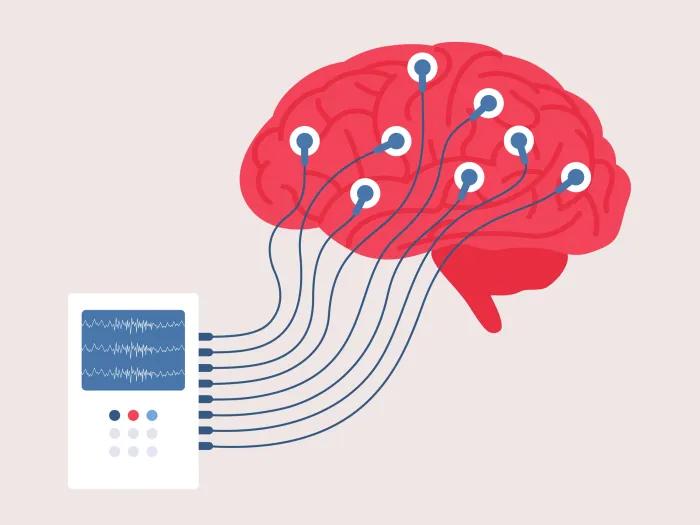
Emergency EEG study suggests need for faster seizure diagnosis and care options
Study finds emergency EEG study suggests need for faster seizure diagnosis and care options for patients.
Health Lab
Former nurse develops UTI that rapidly progresses to septic shock
Karen Hollingsworth’s training as a nurse helped her identify the symptoms of a urinary tract infection and when it rapidly developed into septic shock.
Department News
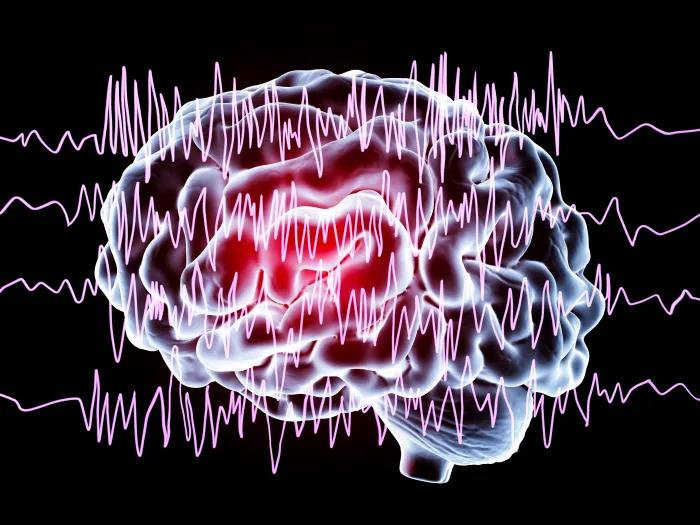
Could ketamine be the key to stopping life-threatening seizures?
Every second counts during a prolonged seizure. Known as status epilepticus, these seizures won’t stop on their own, and if not treated fast, they can lead to brain damage, ICU stays, or death.
Michigan Medicine is now leading a major clinical trial that could change how these patients are treated in the emergency department. The study, called KESETT (Ketamine add-on therapy for Established Status Epilepticus Treatment Trial), funded by the NIH, will test whether adding ketamine to current treatments can stop seizures more effectively.
