Noah Carey, MD/MPH student: Connecting medicine, public health and purpose
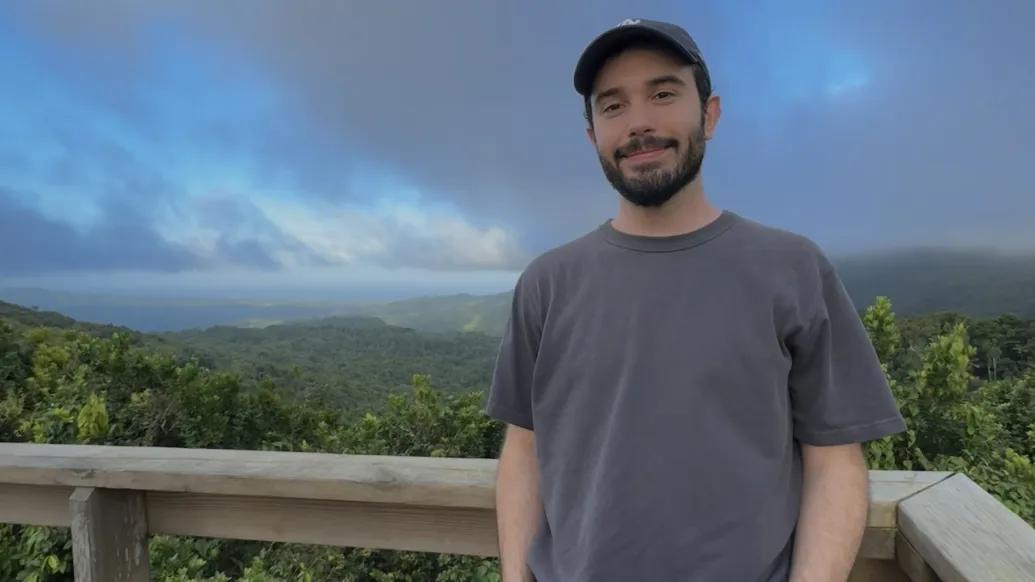
Noah’s Michigan Answer: I wanted to care for patients while understanding the systems shaping their health. At Michigan, mentorship and community have helped me grow as a physician, researcher and public health advocate while giving me the opportunity to pursue what matters to me.
Noah Carey (he/him) is originally from San Jacinto, California, and graduated from UCLA in 2021. Now a fifth-year MD/MPH student at the University of Michigan Medical School, Noah has combined his interests in neurology, public health and health equity through experiences spanning research, community engagement and global health. As a first-generation college student, he has pursued projects aimed at improving health literacy, advancing health equity and understanding neurological health through an epidemiologic lens, including research at the National Institutes of Health and the development of an award-winning health education program for high school students. Noah has also found community through his classmates and the Michigan Branch of the Telluride Association, where he has built lasting friendships and expanded his perspective beyond medicine. Noah is expected to graduate in 2027 and plans to pursue a career in neurology that integrates patient care, research and public health to improve health outcomes on both individual and population levels.
How have you found community and/or support at UMMS? What would be your advice for prospective students seeking community and/or support?
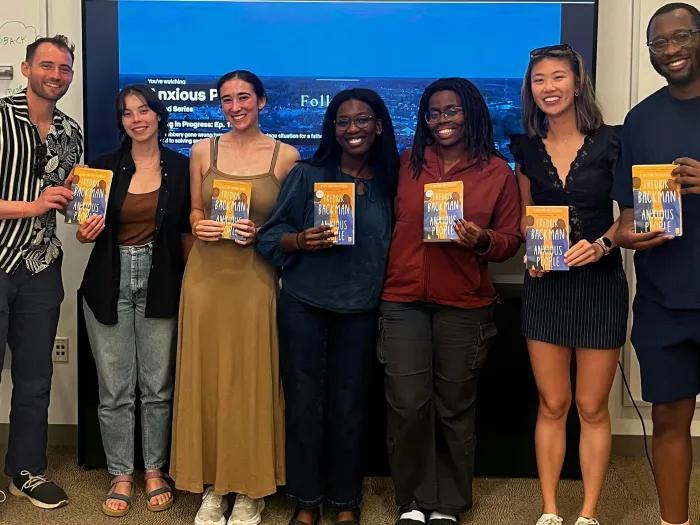
I have found a community at Michigan in two places: among my medical school classmates and through the Michigan Branch of the Telluride Association. Within medical school, I have built strong friendships rooted in a shared enjoyment of pizza, basketball or video games. I especially enjoyed the small conversations before and after required sessions during our first year, which gradually turned classmates into close friends. During clerkships, I also loved being part of a longitudinal cohort. Over the course of the year, we got to know one another closely, worked together on clinical teams and supported each other through a challenging but rewarding year.
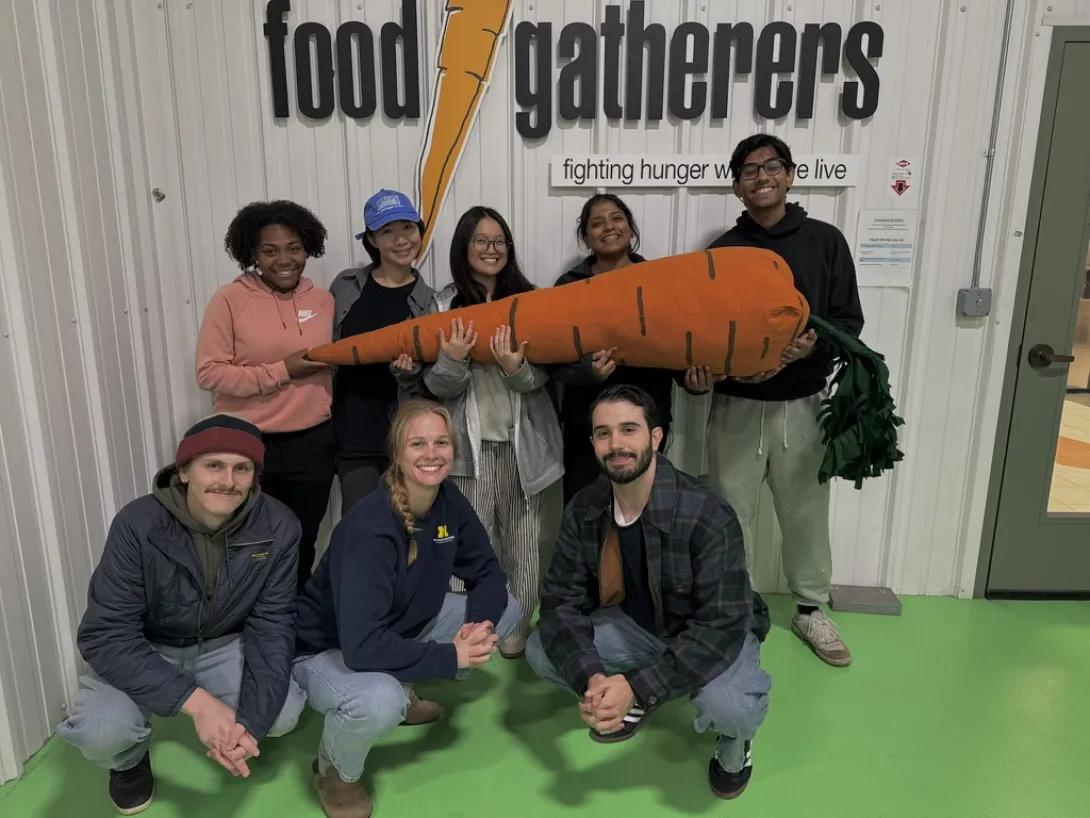
I also found a meaningful community outside of medical school by living at the Michigan Branch of the Telluride Association. Through Telluride, I have become close with students from across the University of Michigan, including graduate students in fields like physics, philosophy, anthropology, social work, public health and public policy, as well as undergraduate students studying everything from business to engineering. I have also formed friendships with international students from countries including India, South Korea, Vietnam, Syria and Uganda. Being part of this community has broadened my perspective beyond medicine and given me some of my most meaningful friendships and service experiences at Michigan. My advice to prospective students is to seek out communities where you can be yourself and where you can meet people who broaden your perspective. For me, that meant finding both a close-knit group within medical school and a community beyond it.
Briefly describe your Capstone for Impact project and what you’ve gained from this process.
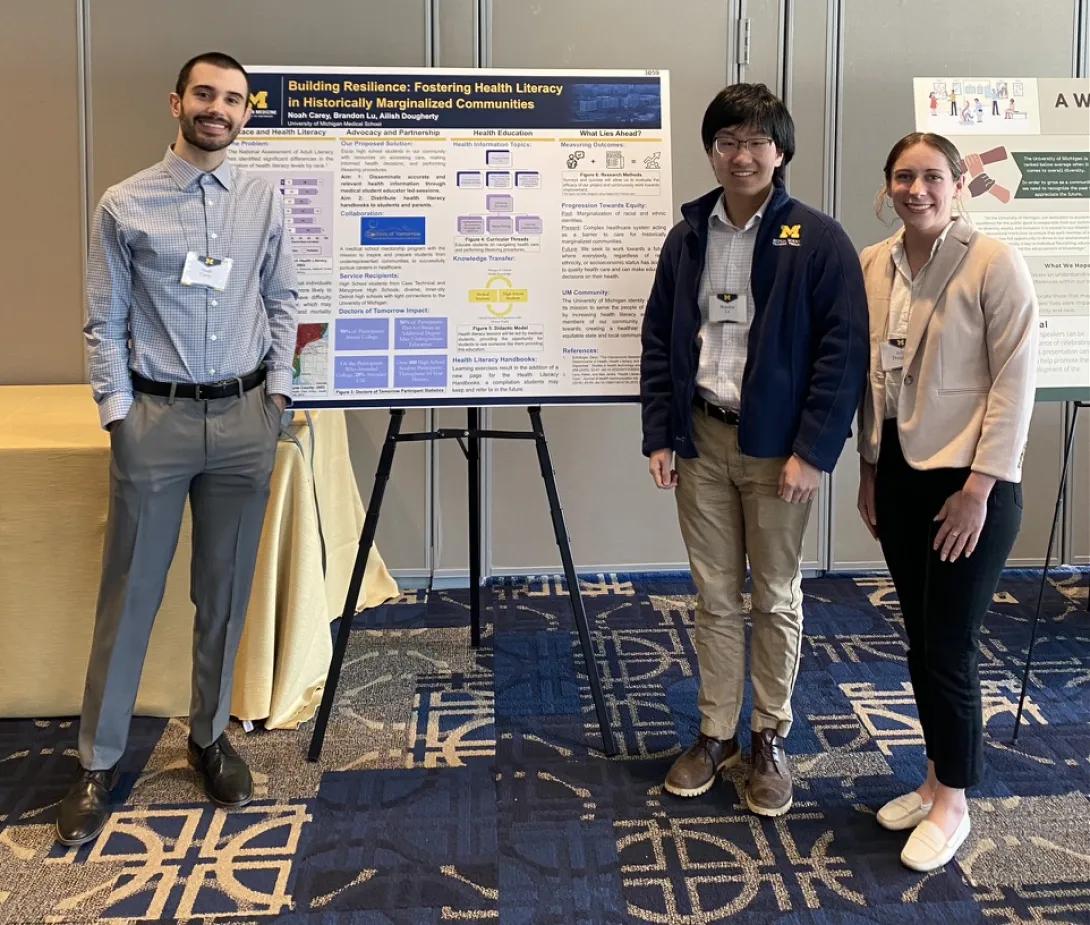
I created a health literacy education program for high school students participating in Doctors of Tomorrow, an outreach program that introduces underrepresented students to careers in medicine. We designed the curriculum to demystify the American healthcare system and teach practical skills, such as advocating for oneself during healthcare visits. I evaluated the program with my team, and our findings were published in the Journal of School Health. Seeing the percentage of students who were confident in responding to an opioid overdose increase from 22% to 73%, and the percentage who were confident in advocating for their medical needs rise from 77% to 94%, was incredibly rewarding. This experience showed me the power of education to equip people with the knowledge and confidence to meaningfully participate in their own care. I am deeply grateful for the support Michigan provided me over the span of this project, including strong faculty mentorship and generous institutional funding.
Why did you decide to earn a dual degree while in med school, what has the experience been like, and what advice do you have for others who are considering a dual degree in medical school?
I pursued an MPH because I want to develop public health programs that improve the accessibility and delivery of healthcare and study neurological health through an epidemiologic lens in my future career. My favorite part of the experience has been how practice-oriented it is. Concepts from my health behavior course, for example, helped inform an implementation analysis I conducted for a health coaching program. After completing my epidemiology coursework, I spent two months in the Stroke, Cognition, and Neuroepidemiology section of the Intramural Research Program at the National Institute of Neurological Disorders and Stroke, where I examined how socioeconomic differences affect brain health. The skills I developed through my MPH coursework, from data cleaning and manipulation to statistical analysis, became tangible when I applied them to real-world research questions and interpreted my findings.
My advice to other medical students considering a dual degree is to tailor the experience to your interests. Be intentional about the courses you take and the extracurricular opportunities you pursue so that the additional degree complements your medical training rather than feeling like a separate track. For me, that alignment has made the MPH both enjoyable and directly relevant to the career I hope to build.
Share the global health opportunities you’ve had while training at Michigan.
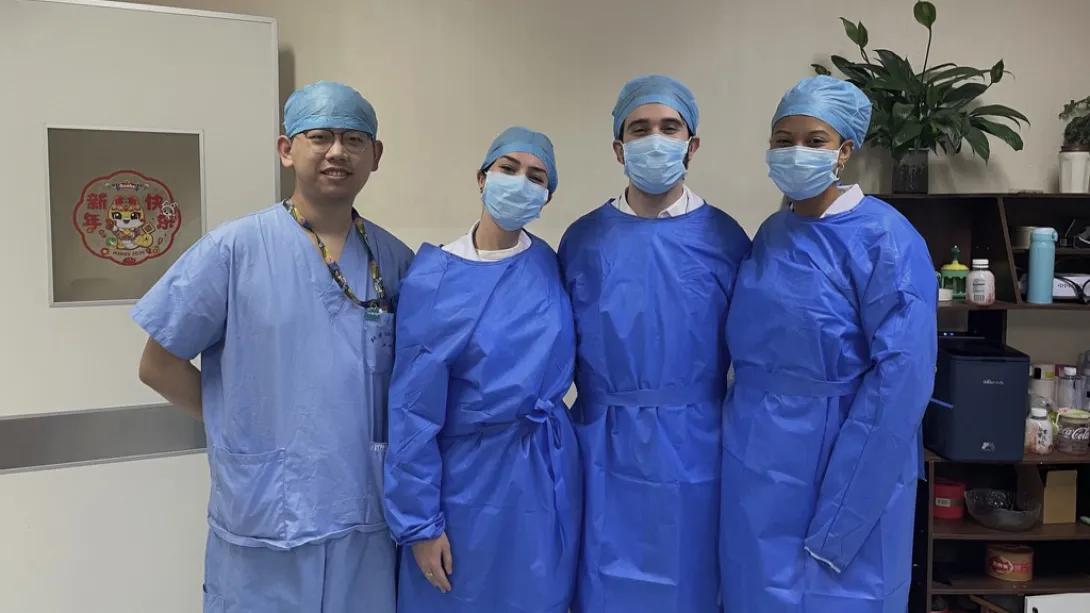
My global health experiences at Michigan have shown me how deeply health is shaped by cultures and systems. Through the US-China Youth Health Dialogue, I traveled to China to visit hospitals, learn about the Chinese healthcare system and engage with physicians about topics ranging from traditional Chinese medicine to mental health and clinical research. These conversations showed me that many health disparities transcend national borders but require context-specific solutions.
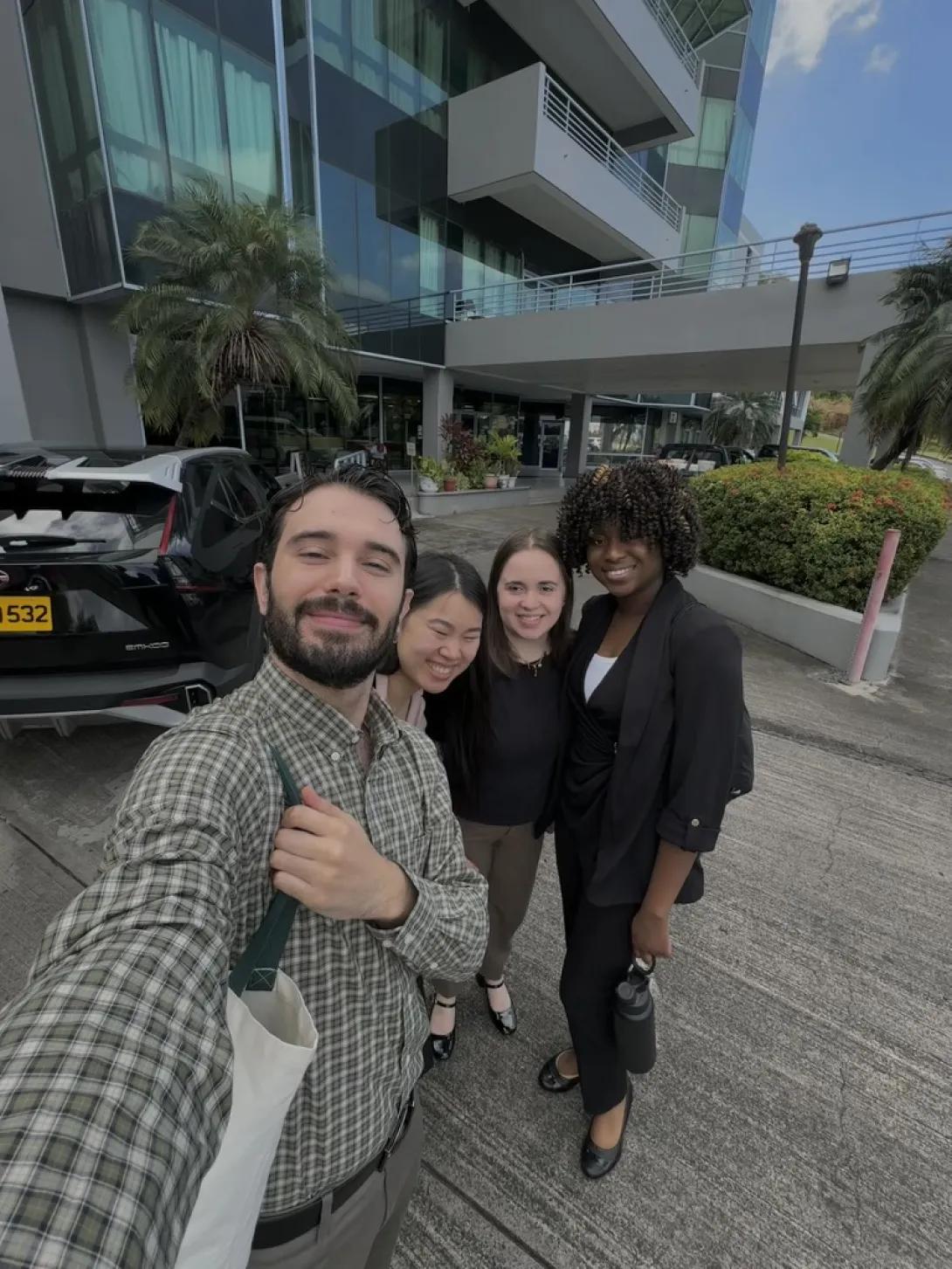
I also traveled to Grenada through a Public Health in Action course at the School of Public Health, where my team partnered with the Child Protection Authority to conduct focus groups and interviews for an analysis of child protection. Speaking with stakeholders across healthcare, law enforcement, religious organizations and community organizations showed me the importance of bringing diverse perspectives together to strengthen public health systems. I also developed practical skills in qualitative interviewing, focus group facilitation and data analysis. Together, these experiences reinforced my interest in working at the intersection of medicine and public health. They taught me that improving health requires listening to communities, understanding the systems in which they live and developing solutions that are both evidence-based and culturally informed.
Share the health disparities, health equity and/or social justice work you’ve become involved in at Michigan.
I was raised by a single mother who worked long hours at a grocery store to provide for our family. I witnessed firsthand how financial hardship can affect health and well-being, which motivated my interest in addressing the social and structural factors that shape health during medical school. At Michigan, I became involved with Wolverine Street Medicine, where I distributed food, water and hygiene supplies to individuals experiencing homelessness throughout Detroit. I also had the opportunity to take patient histories and provide foot care to help improve patients’ mobility. These experiences showed me how closely financial hardship, access to basic necessities and health are intertwined, and how difficult it can be to break this cycle. Recognizing the unique challenges faced by individuals experiencing homelessness in Michigan compared with those in Southern California, where I grew up, I helped establish a partnership between the Michigan Branch of the Telluride Association and Wolverine Street Medicine. Together, we raised and distributed socks and winter boots to help people stay warm and mobile during the winter. This experience taught me that addressing health inequities requires meeting people where they are and working collaboratively to respond to the community’s needs.
Share the research activities you’ve become involved in at Michigan.
Prior to medical school, I had one research experience in neuroscience. It helped me realize that I wanted to explore research further, but I had no poster presentations, oral presentations or publications. At Michigan, I found so many opportunities to grow as a researcher and gain experience presenting and disseminating my findings.
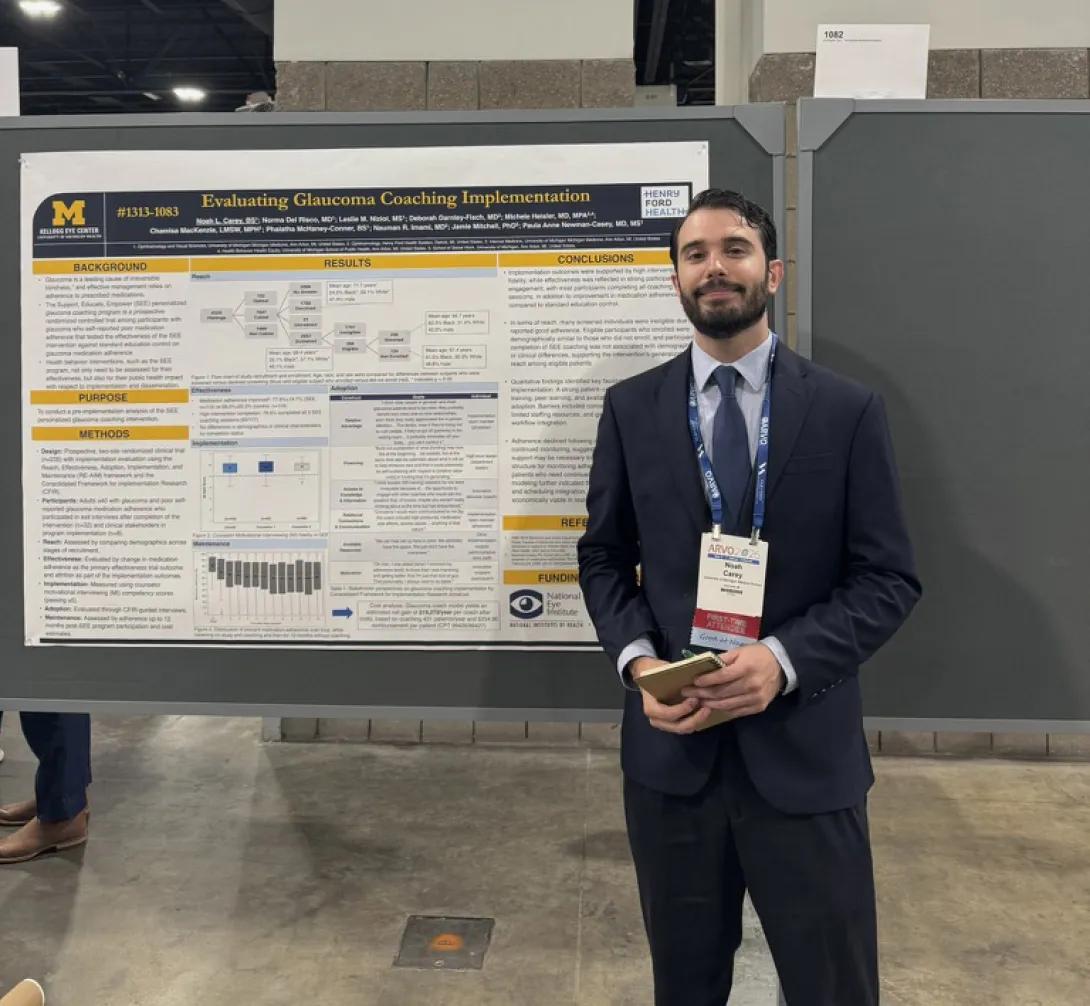
During my first year, after getting established in the curriculum and finding my footing in a new environment, I sent a few cold emails. I was amazed by how responsive the faculty members were. I began helping with recruitment for a randomized controlled trial, which taught me important research fundamentals. The following summer, my research mentor, Dr. Newman-Casey, introduced me to qualitative research. I studied participants’ experiences in the trial, presented our findings at a national conference with medical school funding to support my travel and later received my first first-author publication from this work.
That was just the beginning. I completed two months of dedicated implementation science research during my third year, conducted epidemiologic research as an MPH student and completed a two-month internship at the National Institutes of Health. As a first-generation college student, I was once intimidated by research. Now, I am excited to incorporate it into my future career and see it as a meaningful way to advance medicine and improve the care patients receive.
Describe your favorite elective and why.
One of the electives that has most enriched my medical education was the Medical Spanish Elective I took during my first year. Improving my Spanish-speaking skills has been a longstanding personal goal, and the elective provided a supportive environment to develop my skills while learning how to use Spanish in a clinical setting. Knowing my limitations as an intermediate speaker, I continued looking for opportunities to practice once I began my clerkships. I would seek out Spanish-speaking patients when appropriate and make an effort to communicate with them directly. Some of my favorite memories during my clerkship year include talking with children in Spanish while their parents converse with the attending physician. These experiences helped me become more comfortable using Spanish in clinical settings and showed me how meaningful it can be to meet patients in the language they are most comfortable speaking.
What would you say to a prospective student who is considering the University of Michigan Medical School for their medical education?
I would tell them that Michigan is a place where they can grow both personally and professionally. The culture here is excellent, and it makes a challenging medical education much more enjoyable. Most faculty and residents are compassionate, approachable and genuinely invested in helping students learn and succeed. The curriculum has built-in mentors, which has been extremely useful for me as a first-generation college student learning how to navigate medical education. Michigan also offers an incredible range of opportunities, with plenty of room to explore your interests and grow along the way. And, of course, Michigan sports are some of the best in the nation. We have won both a football championship and a basketball championship while I’ve been here. I’m proud to be a Wolverine. Go Blue!
Media Contact
MD Admissions
University of Michigan Medical School
In This Story
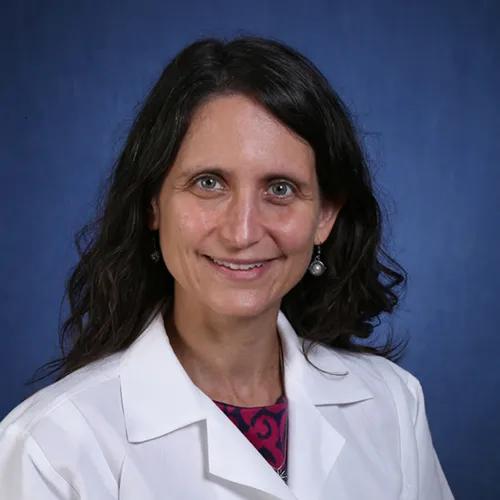
Paula Anne Newman-Casey, MD, MS
Associate Professor
Featured News & Stories
Playbook helps orthopaedic surgeons protect their most important instruments: themselves
The Magic of a Bucket and a Cold December Night
Defining My Own 100%: Finding My Stride at Michigan
Galens Tag Days celebrates 100 years of helping kids
Dominique Fahmy, MD student: Connecting through shared humanity