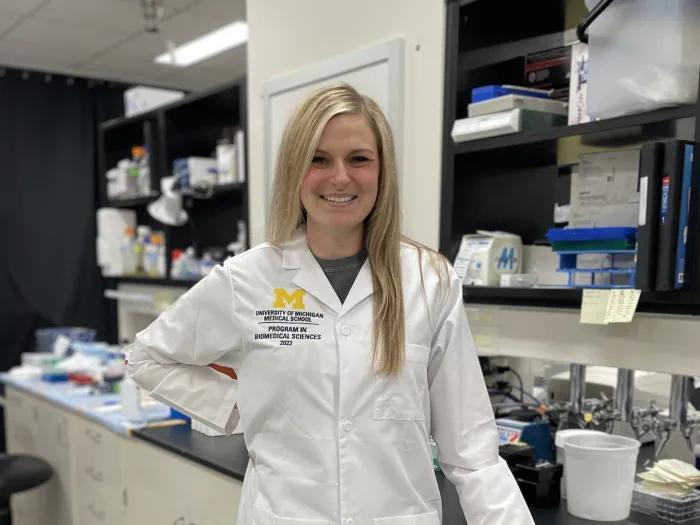
Mahnoor Gondal, PhD candidate: Advancing cancer immunology and fostering career skills in others
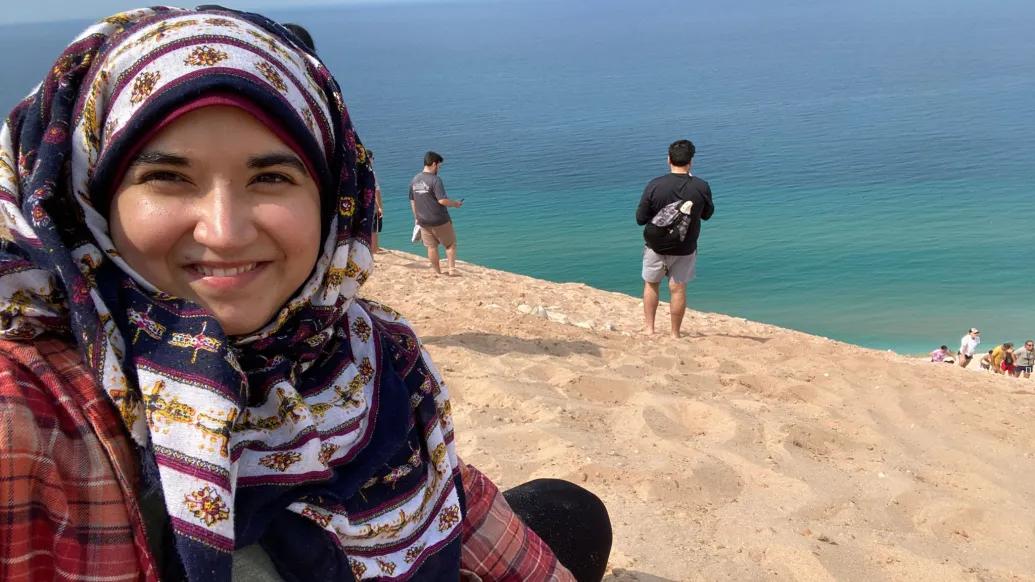
Mahnoor Gondal (she/her) completed her undergraduate degree in Lahore, Pakistan in 2020 in Biology. Mahnoor’s undergraduate research work was in Dr. Safee Ullah Chaudhary’s lab where she developed and published her colorectal cancer model for personalized therapeutics. This is Mahnoor’s 4th year in the PhD program. Mahnoor is co-mentored by Marcin Cieslik and Arul Chinnaiyan.
In this interview, Mahnoor provides advice about mentorship, networking, and maintaining a healthy work-life balance.
What motivated you to pursue a graduate degree at the University of Michigan and what are you most passionate about in your research?
The University of Michigan's commitment to translational research was a major draw for me. I'm passionate about bridging the gap between bioinformatics and real-world clinical applications. The opportunity to see how computational methods can directly impact patient care is incredibly motivating. What truly sets Michigan apart is its accepting, respectful, and engaging community. The collaborative environment here fosters innovation and pushes us to tackle complex problems in creative ways.
How has your unique background and diversity influenced your research and graduate school experience here?
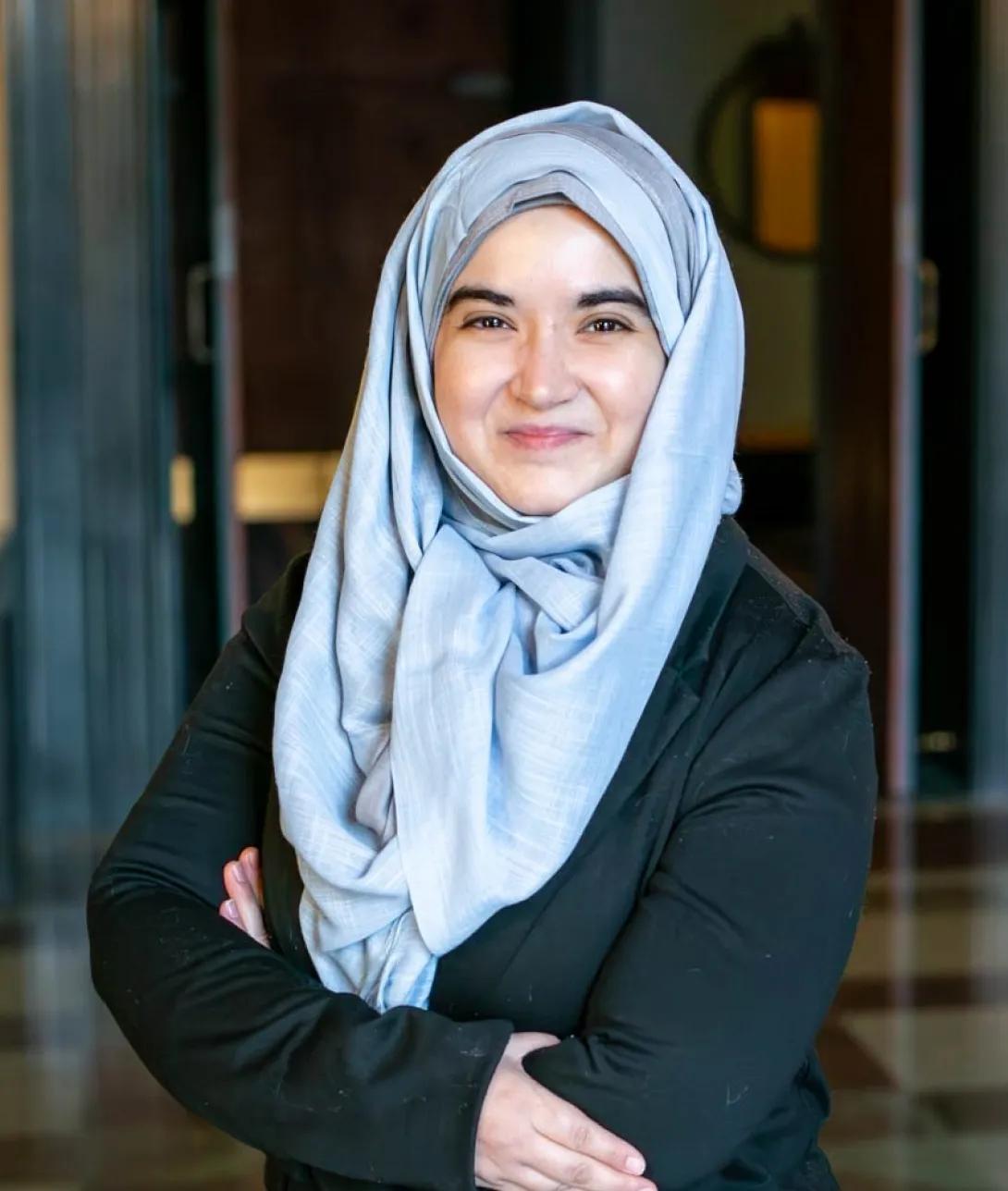
Coming from Pakistan has given me a unique perspective that has significantly shaped my graduate school experience at the University of Michigan. This background has instilled in me a deep appreciation for the diverse opportunities available here, motivating me to fully engage with and maximize these resources.
My international perspective has driven me to actively participate in various initiatives that align with my passion for diversity and inclusion in STEM. For instance, I have taken on executive roles in Girls Who Code, where we work to bridge the gender gap in technology. Through my work with miLEAD Consulting I have honed my ability to apply my analytical skills to real-world business challenges, broadening my professional horizons. Additionally, with the student organization, Program Advancing Coding Comfort for Aspiring Biomedical Researchers (PACCAR), I have had the opportunity to share my computational skills with fellow biomedical graduate students, fostering interdisciplinary collaboration.
My involvement in PARC (Preliminary Aims Review Committee) and Single-cell Spatial Analysis Program (SCSAP-TF) has allowed me to contribute my unique viewpoint to cutting-edge research discussions.
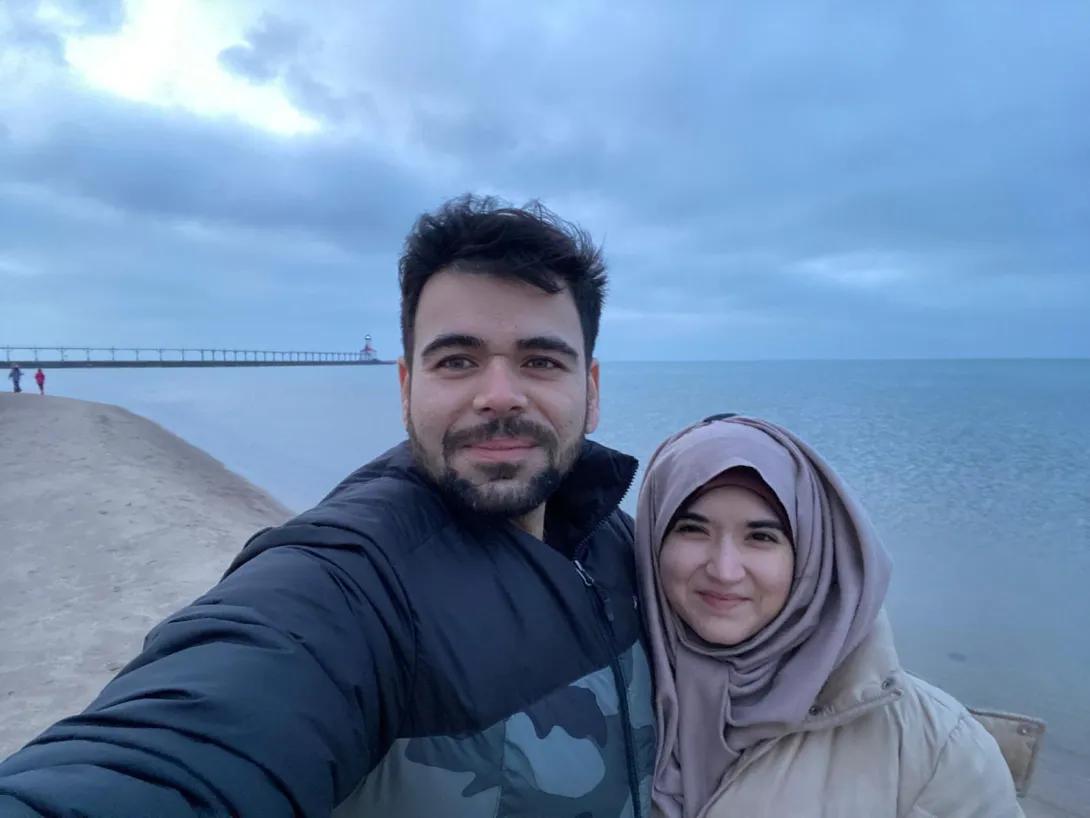
These experiences have not only enriched my academic journey but have also helped me build a diverse network of like-minded individuals. This network has been invaluable in providing different perspectives on research problems and career paths. Moreover, my background has made me acutely aware of the importance of representation in STEM fields. This awareness drives me to actively mentor and support other international students, helping to create a more inclusive academic environment.
What kind of research are you working on, what do you enjoy most about it, and how is it impactful?
My research focuses on identifying transcriptional regulators of MHC (Major Histocompatibility Complex) genes in normal tissues and their dysregulation in various cancer types using large-scale single-cell RNA-sequencing datasets. This work is impactful because it addresses critical gaps in understanding how immune regulation is altered in cancer, potentially paving the way for improved immunotherapies and personalized treatments.
What I enjoy most about my research is its translational nature. I have the opportunity to work with real clinical data, where I can see the potential for direct application of my findings to patient care. Collaborating with a multidisciplinary team of clinicians, biologists, and computational scientists constantly challenges me to think outside the box and approach problems from multiple perspectives. This synergy of diverse expertise is both intellectually stimulating and deeply rewarding.
Moreover, the rigor and commitment of the team I work with inspires me daily. Everyone is passionate about science and driven to uncover meaningful trends and associations that can lead to impactful results. Beyond the technical aspects, I also value how my professors prioritize not only scientific progress but also the career development and well-being of their graduate students. Their mentorship has helped me grow as a researcher and problem solver.
Ultimately, my research allows me to combine my passion for computational biology with a desire to make a tangible difference in healthcare. The ability to contribute to advancements in cancer immunology while developing critical skills for my future career makes this work both fulfilling and impactful.
What are some of the classes or laboratories that you have found particularly impactful or enjoyable during your graduate program, and how have they contributed to your overall experience?
I found Dr. David Olson's Biomedical Innovation and Entrepreneurship II (PIBS 750) particularly impactful and enjoyable. This hands-on course provided a unique opportunity to apply scientific knowledge to real-world innovation and entrepreneurship in the biomedical field. Something I am drawn towards.
Working in small project teams, we developed and advanced biomedical innovations, transforming nascent ideas into commercially viable product concepts. The course challenged us to think beyond the lab, honing our critical evaluation skills for assessing commercial potential in life sciences.
What I enjoyed most was the practical experience of developing a compelling case for an innovation, including crafting and delivering a pitch suitable for seeking funding or partnerships. This experience not only broadened my perspective on the applications of scientific research but also equipped me with valuable skills in project management, teamwork, and communication.
Tell us about a faculty member, colleague, or staff member at the University of Michigan who has had a significant impact on you and your graduate school journey. Why were they influential?
Dr. Marcin Cieslik has been a transformative influence on my graduate school journey at the University of Michigan. As an international student from Pakistan, I faced significant challenges adapting to a new culture and academic environment. Dr. Cieslik's mentorship went far beyond research guidance; he became a pillar of support for my overall well-being and personal growth.
What sets Dr. Cieslik apart is his holistic approach to mentorship. He emphasizes the importance of work-life balance, a concept I initially struggled with. I vividly recall his encouragement to prioritize self-care by not working on weekends and maintaining reasonable work hours. This advice was crucial in helping me develop a healthier relationship with my research and personal life.
Dr. Cieslik's commitment to student well-being and career development has been instrumental in my success. His mentorship has taught me that excellence in research and personal fulfillment are not mutually exclusive. This valuable lesson will undoubtedly shape my approach to my future career and mentorship of others.
I'm profoundly grateful for Dr. Cieslik's unwavering support. His mentorship exemplifies the University of Michigan's commitment to nurturing well-rounded, successful graduate students. It's mentors like Dr. Cieslik who truly make the difference in a graduate student's journey, turning challenges into opportunities for growth and success.
How have you been able to connect with faculty mentors or peer mentors during your time here, and how has that relationship proved important to your grad school experience?
Connecting with faculty mentors and peer mentors has been a cornerstone of my graduate school experience at the University of Michigan. The culture of mentorship and supportive relationships was a key factor in my decision to choose Michigan over other universities.
The Program in Biomedical Sciences (PIBS) has an excellent peer mentor support system, which I've been fortunate to experience from both sides. As a mentee, I received invaluable guidance during my early days in the program. Later, as a mentor, I had the opportunity to pay it forward by supporting incoming students, which has been incredibly rewarding and has honed my leadership skills.
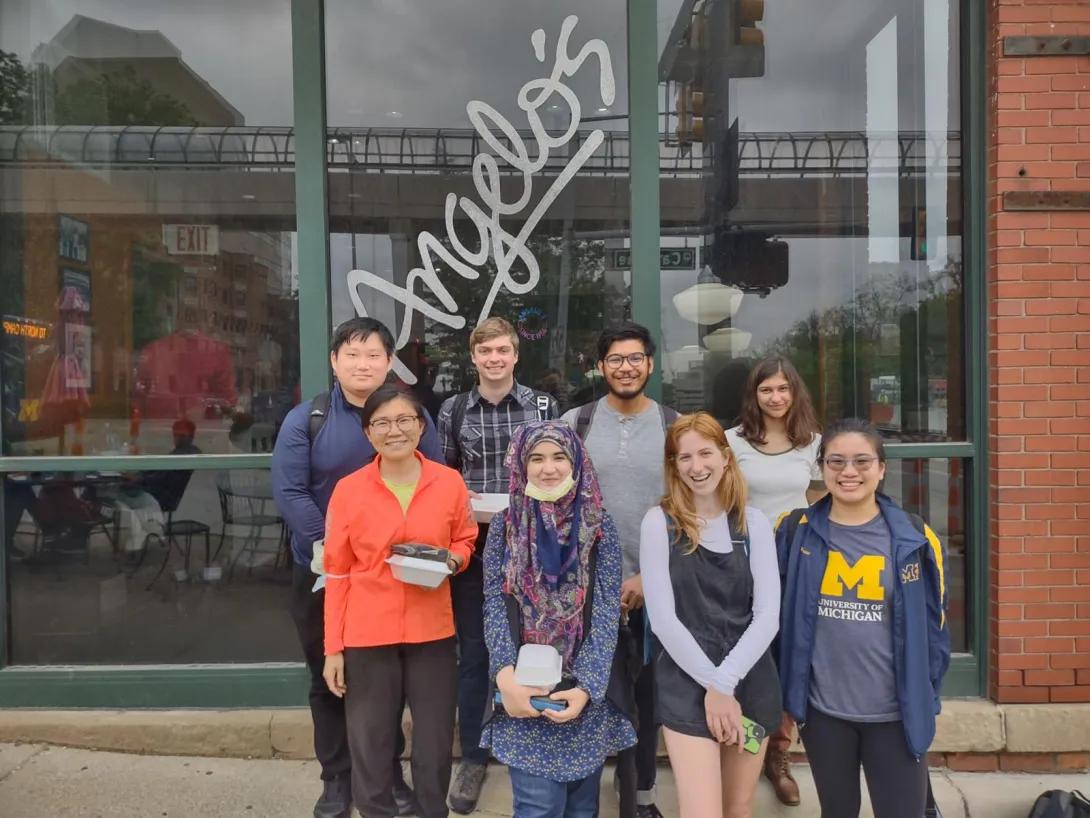
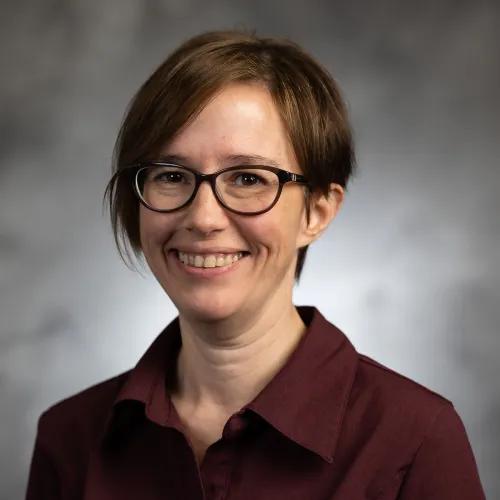
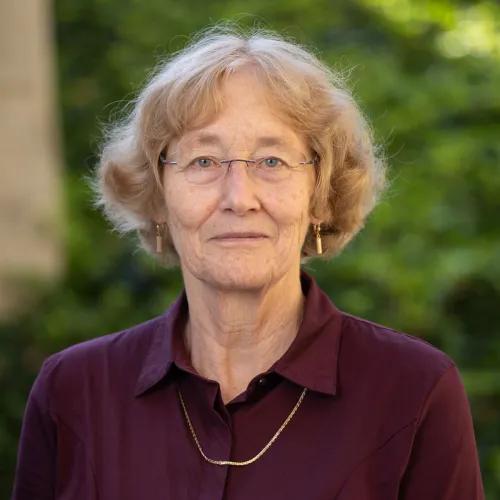
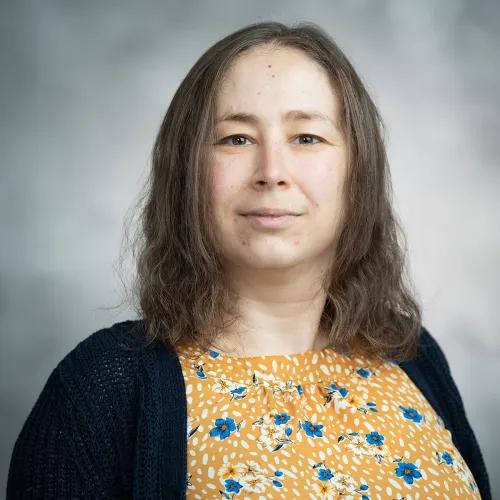
The faculty mentorship in Michigan is truly exceptional. Dr. Cristina Mitrea, for instance, has been an invaluable resource not just for me, but for countless other students in graduate studies. Her dedication to student success exemplifies the supportive environment at Michigan. Similarly, Dr. Margit Burmeister and Dr. Maureen Sartor, as program directors, have consistently demonstrated their commitment to students' well-being and academic progress. Their willingness to advocate for students and maintain relationships even after graduation speaks volumes about the lasting impact of mentorship at Michigan.
These mentoring relationships have been crucial in shaping my graduate school experience. They have provided me with guidance, helped me navigate challenges, and opened doors to new opportunities. The mentors here don't just focus on academic success; they're invested in our overall growth and well-being, making the graduate experience at Michigan truly memorable and as stress-free as possible.
Describe your experience with the application process, including any challenges or successes you encountered.
The graduate school application process, especially as an international student, can be daunting and requires significant dedication. However, with the right approach and mindset, it can also be a rewarding experience. Here are some key insights from my journey:
1. Cast a wide net: Apply to several universities and labs. You never know where you'll find the best fit. In fact, I added the University of Michigan to my list at the last minute, and it turned out to be the perfect match for me.
2. Stay organized: Create a document to manage deadlines and track your progress. This helped me stay on top of multiple applications without feeling overwhelmed.
3. Financial planning: The process can be costly, but don't let that deter you. Many universities offer fee waivers if you request them in advance. This allowed me to apply to more programs than I initially thought possible.
4. Tailor your applications: Customize your statement of purpose (SOP), research statement, and personal statement for each university. This shows your genuine interest and helps you stand out.
5. Tell your story: Admission committees want to see a clear narrative of your research journey. I focused on highlighting how I became interested in my field, what I've achieved, and how I've overcome challenges.
6. Start early and iterate: I had my SOP and CV ready by early October and continuously revised them until late November. This iterative process was crucial for refining my application.
7. Seek feedback: I reached out to seniors and professors for input on my application materials. Their insights were invaluable in strengthening my statements.
8. Visual appeal matters: Make your SOP visually appealing and easy to read. Remember, admission committees often spend only a few minutes on each application.
9. Persistence is key: There were times when I felt overwhelmed, but I reminded myself that this was part of the process. If you're feeling challenged, you're likely on the right track.
10. Build relationships: I found that reaching out to potential advisors and current students at Michigan helped me gain valuable insights into the program and culture.
The application process taught me valuable skills in time management, communication, and perseverance. These skills have continued to serve me well throughout my graduate studies at Michigan. Remember, the journey to graduate school is as much about personal growth as it is about academic achievement. To help prospective students with their admissions I have launched “Consulting Doc” - a consulting resource dedicated to empowering PhD students and fostering academic and personal growth.
Share one thing you wish you had known before going through the application process and any advice you have for prospective students.
One crucial insight I wish I had fully grasped before applying to graduate school at the University of Michigan is the immense value of building relationships and networking. Here's my advice for prospective students:
Don't hesitate to reach out and connect with faculty, current students, or alumni. Cold emails can be surprisingly effective. During my application process, I took the initiative to contact several professors and students, which not only provided valuable insights about the program but also helped me establish meaningful connections.
These relationships have proven invaluable throughout my graduate journey. The contacts I made during the application process are still part of my professional network today, offering support through letters of recommendation or sage advice when needed.
Remember, a good mentor can impart wisdom that might otherwise take decades to acquire on your own. Be open to guidance and actively seek mentorship opportunities. The University of Michigan has a culture that encourages these connections, but it's up to you to take the first step.
My advice to prospective students is to be proactive in building your network from the very beginning. Attend virtual info sessions, participate in online forums, and don't be afraid to send those emails. Your initiative can set you apart and potentially open doors you didn't even know existed.
Lastly, approach the application process as not just a means to get into a program, but as an opportunity to start building the professional network that will support you throughout your career. The relationships you forge now can have a lasting impact on your academic and professional future.
How do you manage your personal well-being and work-life balance as a graduate student?
Managing personal well-being as a graduate student at the University of Michigan is crucial for long-term success and productivity. Here's how I maintain a healthy work-life balance:
1. Regular social interactions: I prioritize spending time with friends at least bi-weekly. This social support system is vital, especially as an international student.
2. Supportive network: I have cultivated relationships with departmental colleagues who check in on me regularly, providing a safety net of support.
3. Extracurricular engagement: Joining various clubs and societies both on and off-campus helps me manage my time productively while pursuing diverse interests.
4. Realistic expectations: I have learned to accept that graduate school is challenging by design. Acknowledging that there will be both good and bad days helps me maintain perspective.
5. Goal-oriented mindset: During tough times, I keep my long-term goals in focus, which helps me push through challenges.
6. Seeking help proactively: I have learned to reach out for support when needed. The University of Michigan offers extensive resources, including faculty mentors, counselors, and department chairs, all ready to assist.
7. Resilience: I remind myself that difficult periods are temporary, which helps me maintain a positive outlook.
By implementing these strategies, I've been able to navigate the demands of graduate school while maintaining my well-being. However, I came up with this after many struggles and having a positive relationship with myself. Everyone is different. You will need to come up with your own healthy habits depending on what works for you. PS: I also have two cats which help a LOT!
Describe some of your other passions or involvement in extracurricular activities on or off campus.
My passion for engagement and personal growth has driven me to take on leadership roles in various extracurricular activities at the University of Michigan, delivering tangible results while honing my problem-solving skills.
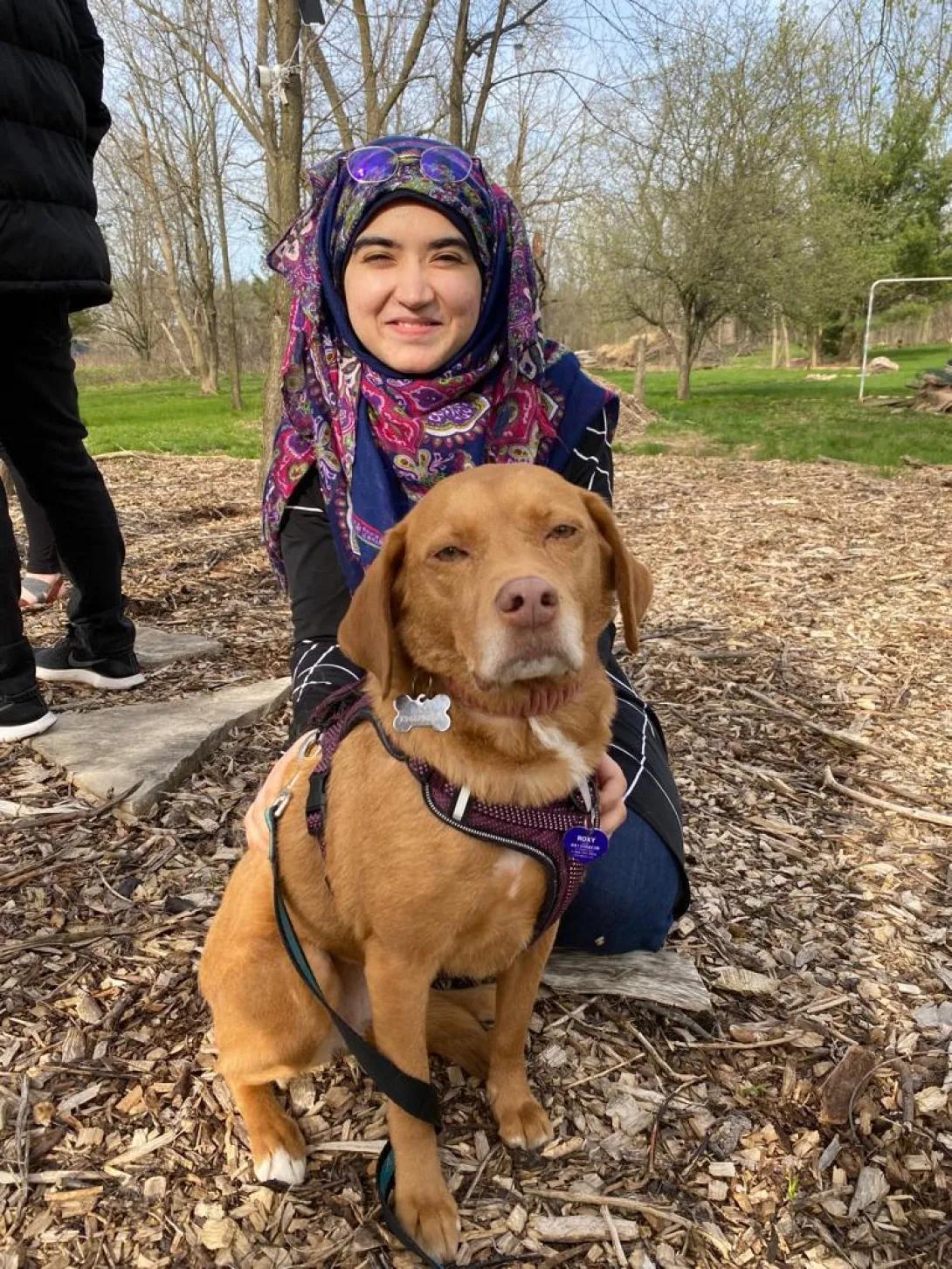
As the chair of the project planning and management committee for PACCAR (Program Advancing Coding Comfort for Aspiring Biomedical Researchers), I have led initiatives to teach single-cell coding to biomedical graduate students. This role has allowed me to develop my project management skills while contributing to the scientific community.
My involvement with Girls Who Code as an executive committee member has been particularly rewarding. We teach coding to high school students, inspiring the next generation of women in technology. This experience has sharpened my ability to communicate complex concepts and lead diverse teams.
I have also engaged with SCSAP-TF (Single-cell Spatial Analysis Program) and PARC (Preliminary Aims Review Committee), which have broadened my scientific perspective and analytical skills. My participation in the Athena Signature Series committee has provided valuable insights into women's leadership in STEM.
Perhaps most significantly, my work with miLEAD Consulting has been instrumental in developing my problem-solving and strategic thinking skills. As a consultant on two projects, I have had the opportunity to apply my analytical abilities to real-world business challenges in the prosthetics and animal welfare sectors. This experience has been invaluable in preparing me for a future career that bridges scientific expertise with business acumen.
These diverse experiences reflect my belief that a PhD is not just about research training. It's about building a network, developing character, and acquiring transferable skills that are crucial for success in both academia and industry.
In This Story
Maureen Sartor, PhD
Professor
Margit Burmeister, PhD
Professor
Cristina Mitrea, PhD
Lecturer

David P Olson, MD, PhD
Professor
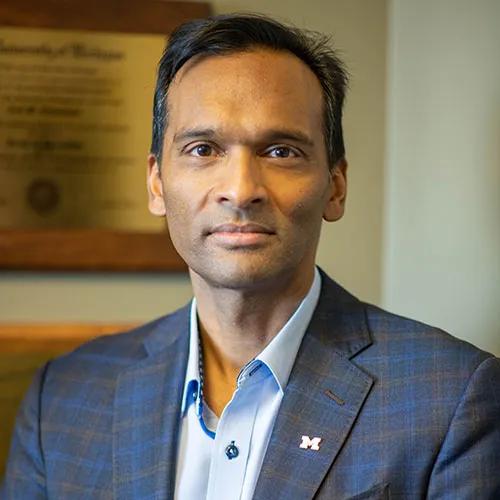
Arul Chinnaiyan, MD, PhD
Professor
Featured News & Stories

Neighborhood Income and Cognitive Health
Path to Medicine: Pit Stops on the Way to Medical School
Michigan Medicine donors fuel breakthroughs in discovery research
Medical school alumnus making a difference in medical education
Nicole Jerome, PhD candidate: Evolving from patient to cutting-edge cancer biologist