Blake Hardin, MD/MPH student: Merging research and advocacy with medicine
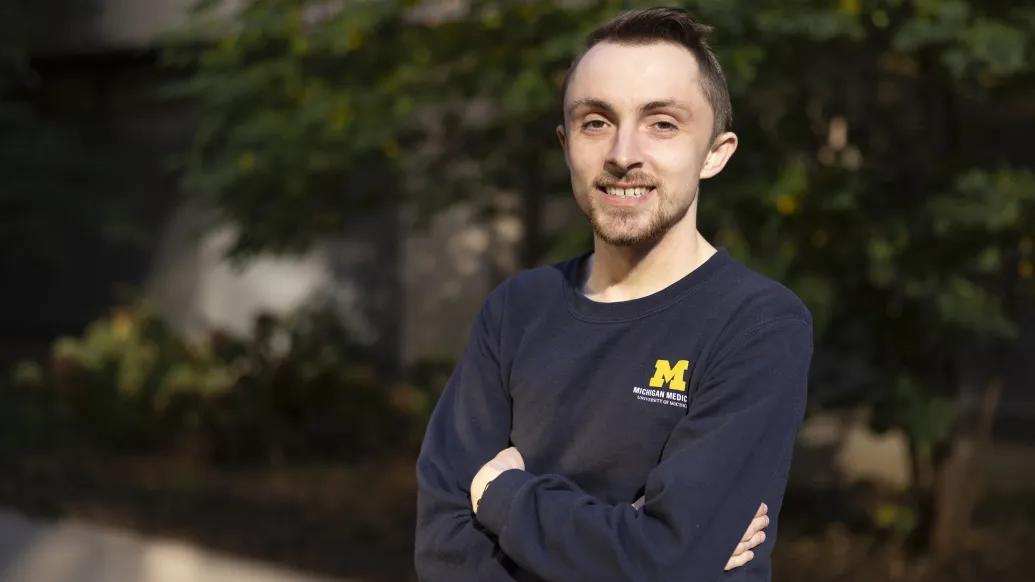
Blake’s Michigan Answer: Being involved in disability health and advocacy, surgical outcomes research, medical education and ways to foster belonging at UMMS is allowing me to become a physician who merges compassionate patient care, research, advocacy and education.
Blake Hardin (he/him) hails from Garden City, Michigan and graduated from the University of Michigan-Dearborn in 2021. As a child, he spent time as a patient within the Section of Pediatric Surgery, an experience which fueled his passion to become a physician. While at Michigan, Blake has been involved with disability inclusion, pediatric surgical outcomes research and a variety of student interest groups. He is currently pursuing an MPH in epidemiology as a dual degree. Blake plans to graduate in 2027 and pursue general surgery.
How have your experiences at Michigan led you to choose your specialty for residency and what advice do you have around choosing a specialty?
I initially went into medical school thinking I would apply to pediatrics. However, as a former patient of the Michigan Medicine Department of Surgery’s Section of Pediatric Surgery, I was drawn to giving back to patients and their families undergoing surgery. Through early clinical experience and incredibly meaningful experiences in multiple sections within the Department of Surgery, I realized that being a surgeon allows me to connect with and serve patients during a highly vulnerable time in their lives, working as part of a diverse, cohesive team unified by a common goal: the patient.
I would tell students unsure about their specialty to be kind to themselves and recognize that they do not need to fit a particular archetype to be an excellent fit for that specialty.
Why did you decide to earn a dual degree while in med school, what has the experience been like, and what advice do you have for others who are considering a dual degree in medical school?
I knew I wanted to merge research and advocacy in my career, but I lacked the formal tools to do so effectively. Pursuing an MPH in epidemiology has enabled me to deepen my understanding of research design, biostatistics and public health, allowing me to ask more informed questions, collaborate more effectively and address the broader forces that shape my patients’ health. It’s been gratifying to broaden my horizon, learn tangible skills and discover how health is shaped beyond what we see in clinical spaces.
I would advise students considering a dual degree to think about it early and to talk to students who have been through the process. Ask your counselor to connect you with students who have done it to learn more about their experiences.
What are some of the health disparities, health equity and/or social justice work you’ve become involved in at Michigan?
Since undergrad, I have been passionate about disability health and advocacy as a result of my experiences living with a disability, as well as those of close friends and family interacting with the health care system. During my M1 year, I joined the Medical Students for Disability Health & Advocacy (MSDHA) group at UMMS to help educate future physicians on how to better care for patients with disabilities and chronic illnesses, reduce barriers for medical students with disabilities and create a safe community for both medical students with disabilities and their allies. Through a mutual connection I made through MSDHA, I joined the leadership of the national non-profit organization with over 70 chapters across the country, one of which is MSDHA, Medical Students with Disability and Chronic Illness (MSDCI), and became its executive director. We promote community among medical students with disabilities and chronic illnesses and advocate for reduced barriers to medical education through community engagement, advocacy, research, mentorship and education. As I discovered that I could merge my passions for surgery and health equity, I joined Socially Responsible Surgery to advocate for equitable surgical care by addressing social and structural determinants of health.
What are the research activities are you involved in at Michigan?
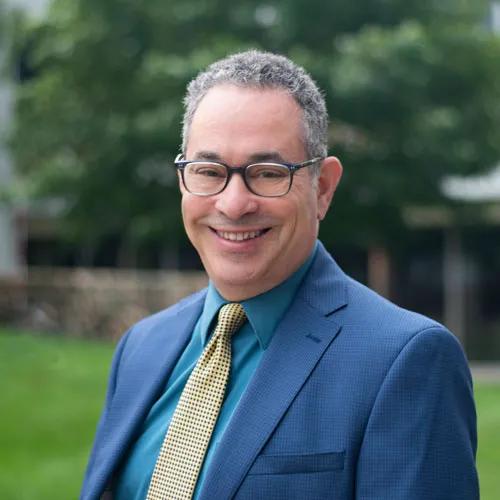
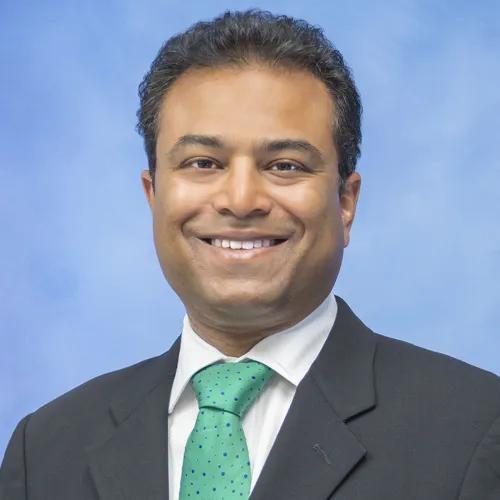
As I’m currently interested in pediatric surgery in the future because of my personal interactions with pediatric surgery as a child, I became involved with pediatric surgical outcomes research in patients with chronic conditions (Crohn’s disease, thyroid cancer, indications for gastrostomy tubes, autism spectrum disorder) with Dr. Jeremy Adler, Dr. Arul Thirumoorthi and Dr. Samir Gadepalli. I also joined the Surgery Olympics program as a research mentor with Dr. Raymond Jean, working with M1s in the program. Beyond clinical outcomes, I’m committed to disability inclusion in medical education. Through the Docs with Disabilities Lab, led by Dr. Lisa Meeks, I study how institutional policies and structures affect learners with disabilities and how medical schools can build more accessible training environments.
Together, these projects shape my goal of becoming a surgeon-researcher who uses data, compassion and advocacy to improve care for children with medical complexity and create more inclusive pathways for those who aspire to practice medicine.
What other opportunities have you discovered at UMMS?
Joining UMMS has been a full-circle moment for me. The Section of Pediatric Surgery in the Department of Surgery saved my life when I was five years old and subsequently cared for me throughout my entire childhood when I was in and out of the hospital. This personal connection fuels my passion for pediatric surgery. I wanted to leverage my dual identities as a medical student and a former patient, so I became a patient advisor for the C.S. Mott Children’s Hospital Operating Room Unit-Based Committee. In this role, I contribute my unique perspective of having gone through surgery through the Mott OR and having clinical experience taking care of patients by offering my voice to quality improvement initiatives, thereby helping improve care for pediatric patients and their families undergoing surgical care.
What significant extracurricular activities have been a part of your medical education so far and how have they enriched your medical school experience?
To help create community and address educational barriers for first-generation and/or low-income medical students, I joined First in Family, eventually serving as co-president, to advance this at UMMS through community initiatives, education, mentorship and financial support. I’ve been privileged to serve my community and make students feel valued and never alone.
What are the ways in which you’ve been able to explore your passions during med school, and what resources or people have helped you do so?
My entire life, music has made me feel alive and connected to others and to a purpose greater than myself. To continue this in medical school, I participated in multiple programs. Every year, I participate in the Smoker, a play/musical written, directed, produced and performed by medical students, in which I sing and act. Twice yearly, I participate in Biorhythms, a medical student-organized dance performance, where I dance in the Mance and Ballroom dances. Throughout the year, I participate in the a cappella group Auscultations, in which we rehearse and perform at community and Michigan Medicine events.
What has been your strategy for finding balance between med school and your other interests?
First and foremost, I prioritize my health and well-being so I can learn and care for my patients to the best of my ability. Secondly, my priority is my education during medical school, so I can learn how to serve my patients and be an equal team player. After this, I intentionally carve out time to do the things that fill my bucket, including extracurricular experiences and spending time with friends and family. Being intentional about the things that bring me joy outside of school helps me remember who I am outside of medicine and makes me a better student and a better human being.
How have you found community and/or support at UMMS? What would be your advice for prospective students seeking community and/or support?
Through a myriad of programs and initiatives at UMMS, such as the LEAD program, M-Home, MSDHA, First in Family, the Smoker, Biorhythms, Auscultations, and Galen’s Tag Days, I have found my place not just in my class but within the entire medical school. I’ve also greatly appreciated the support from the Learning & Accessibility Services team and the Medical Student Mental Health Program for all students here at UMMS.
How have you been able to connect with faculty mentors and/or peer mentors and how has that been important to your med school journey?
As a first-generation student, faculty and peer mentors have been critical to my ability to thrive here at UMMS. It’s been incredibly easy to find faculty mentors (both through formal organized mentorship and cold emailing) who have helped me decide on my specialty, grant me opportunities to get involved with ongoing research projects and even propose my own, and strategize my residency application. I also would never have gotten involved with MSDCI if it weren’t for a peer mentor, Dr. Kate Panzer, founder of MSDHA and alumnus of UMMS, who is now an orthopedic surgery resident at the University of Virginia. My mentors at UMMS have helped me not just succeed but thrive.
What would you say to a prospective student who is considering the University of Michigan Medical School for their medical education?
If you’re considering UMMS for medical school, I believe you are likely making one of the best decisions of your professional career. From the opportunities I’ve had, communities I’ve joined, and friends I’ve made, coming here for medical school is one of the best (and easiest) decisions I’ve ever made and ultimately a dream come true.
Media Contact
MD Admissions
University of Michigan Medical School
In This Story
Jeremy Adler, MD, MSc
Clinical Professor
Arul S Thirumoorthi, MD PE FACS FAAP
Clinical Associate Professor
Samir K Gadepalli, MS, MD, MBA
Associate Professor
Raymond Alexander Jean, MD, MA, MHS, FACS
Clinical Assistant Professor
Lisa Meeks
Adjunct Clinical Associate Professor
Featured News & Stories
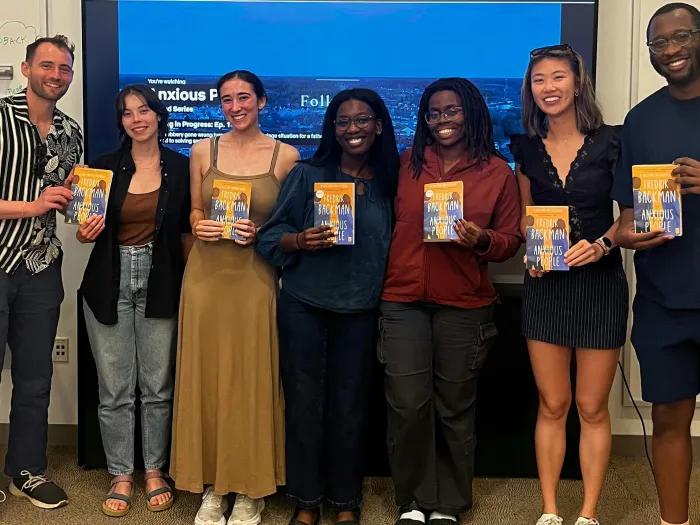
Reading as an Empathy and Community Practice: Building a Medical Student Book Club
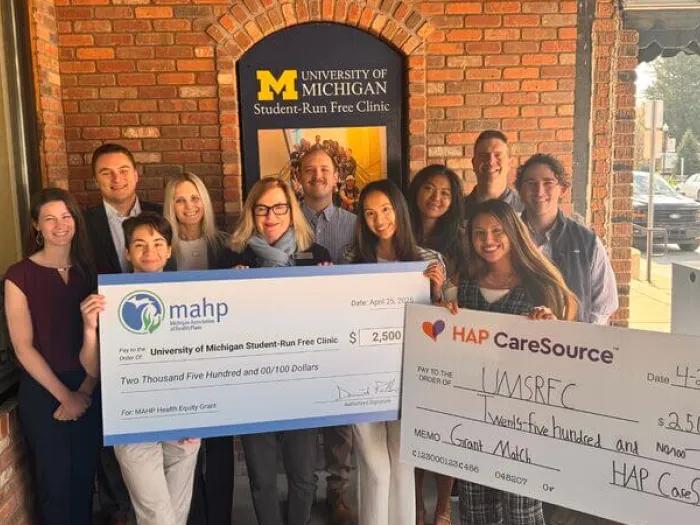
One Patient, Five Schools: Building Interprofessional Care at Michigan's Student-Run Free Clinic
Learning about the Life Loaf: My Experience Working in OBGYN Research
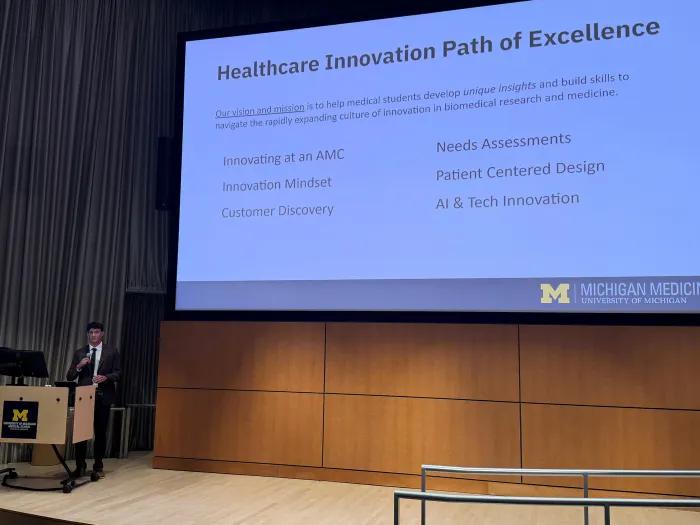
Medical students develop novel technological solutions for unmet patient needs
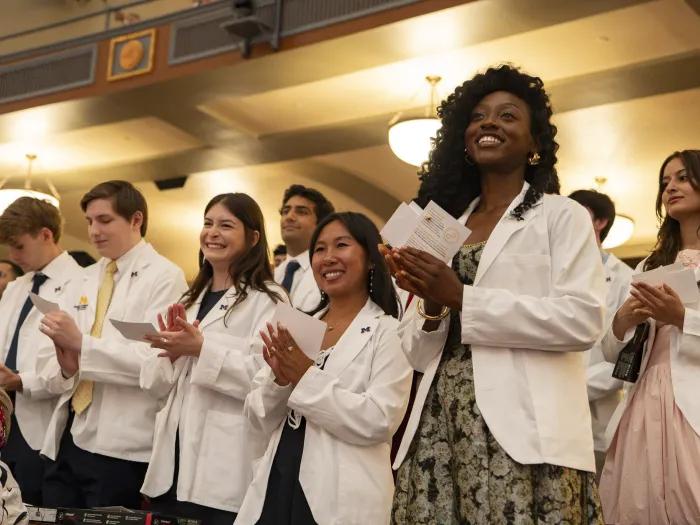
White Coat Ceremony marks start of medical school journey for incoming M1s