Swap and shop events help laboratories donate and find valuable supplies
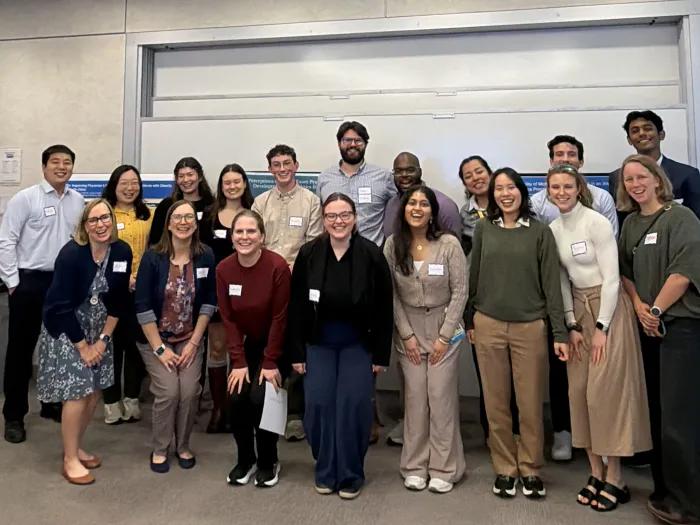
At three Lab Swap events held in the spring, more than 100 participants donated and “shopped” for valuable laboratory supplies and rehomed more than 3,500 pounds of lab supplies, with a value of nearly $115,000
Author |
The Medical School is helping researchers save money and reduce waste by connecting laboratories with surplus supplies to those that can put them to immediate use.
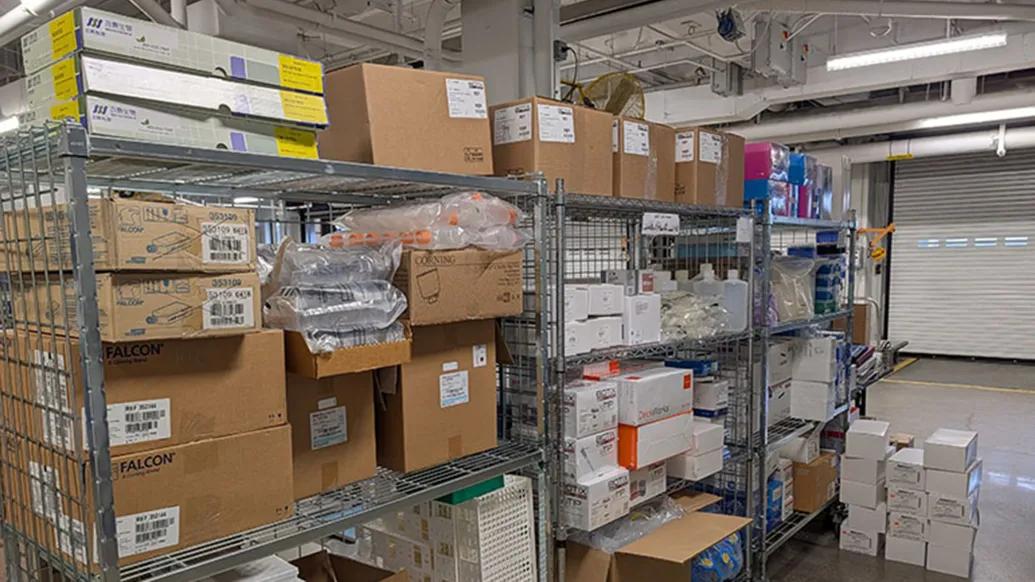
At three Lab Swap events held in the spring, more than 100 participants donated and “shopped” for valuable laboratory supplies at Medical Science Research Building 2, North Campus Research Complex, and A. Alfred Taubman Biomedical Science Research Building. The events rehomed more than 3,500 pounds of lab supplies, with a value of nearly $115,000.
The events are part of the university’s broader Lab Reuse Program, which encourages laboratories to share usable materials rather than purchase new ones whenever possible. The Medical School began hosting Lab Swap events in 2023. Over the past three years, more than 9,000 pounds of lab supplies have been rehomed, with a value of nearly $416,000.
Together with the year-round Lab Swap Shop on central campus, the events help create an ongoing culture of reuse by making it easy for researchers to share surplus supplies with colleagues who can use them.
“These swap events are a great way for the Medical School research community to get involved in sustainability, while saving some money at the same time,” says Jack Gosselin, regional energy manager for the Medical School in the Office of Campus Sustainability & Innovation and U-M Facilities and Operations. “The success of this year's event, and past events, is a testament that Medical School labs are seeking alternative ways to acquire supplies needed for research, while keeping unnecessary materials out of our waste stream.”
A breakdown of spring 2026 Lab Swap events:
- Medical Science Research Building 2 (May 13): 933 pounds rehomed; valued at $38,877
- North Campus Research Complex (May 20): 1,869 pounds; $50,514
- A. Alfred Taubman Biomedical Science Research Building (May 26): 756 pounds; $25,403
Among the most popular items to change hands were pipettes, tubes/tube racks; glassware (i.e. media bottles); slide boxes; freezer boxes/racks; cell culture dishes; and masks and other personal protective equipment (PPE).
Featured News & Stories
A metabolic “switch” that could help reset scar-producing cells in scleroderma
Depression in OBGYN residents needs more attention, study suggests

Improving the clinical experience through data and better EHR workflows

Emergency room intervention pairs smartphone, telehealth counseling to reduce risky firearm behavior
A second chance at life