Global health research training program to continue, expand following NIH Fogarty grant
A program that provides U-M trainees with opportunities for extended mentored research training experiences abroad will continue following a recent federal grant renewal.
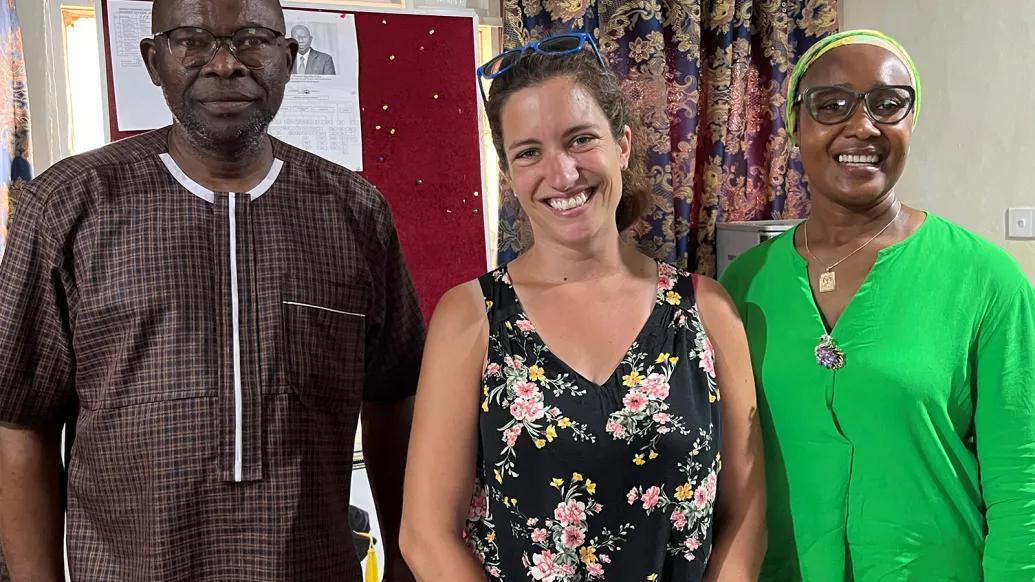
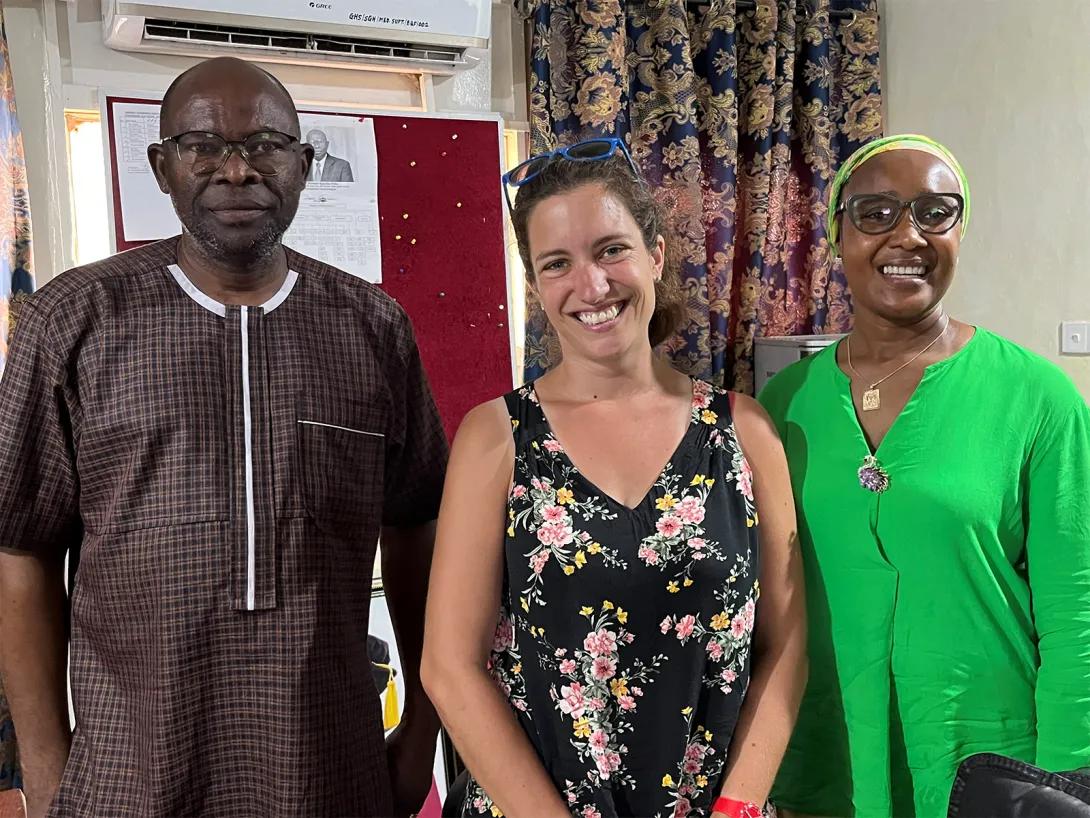
The Northern Pacific Global Health fellowship program, a collaboration among five US universities, including U-M, and a slate of international partners, has provided experiences for more than 200 trainees in the last decade. Funded through the NIH Fogarty International Center, the nearly $1 million renewal grant announced recently will provide resources for an estimated 60 trainees over the next five years.
The application period for 2023-24 fellows is open now through Nov. 1, 2022.
The revised program, now called NPGH LEADERs (Northern Pacific Global Health Leadership, Education, And Development for Early-career Researchers), will build on 10 years of program success with a few new elements, including a more formalized curriculum to supplement participants’ in-country experiences and, importantly, expanded opportunities for early-career researchers from LMIC settings to spend time learning in the United States.
“Our program has always been open to trainees from outside the United States, but we wanted to be more intentional about creating those opportunities for international researchers moving forward,” said Associate Professor of Learning Health Sciences and Obstetrics & Gynecology Cheryl Moyer, PhD, a co-PI on the renewed program. “In doing so, we not only strengthen our collaborative networks overseas, we also help accelerate research skills and health advances in those settings.”
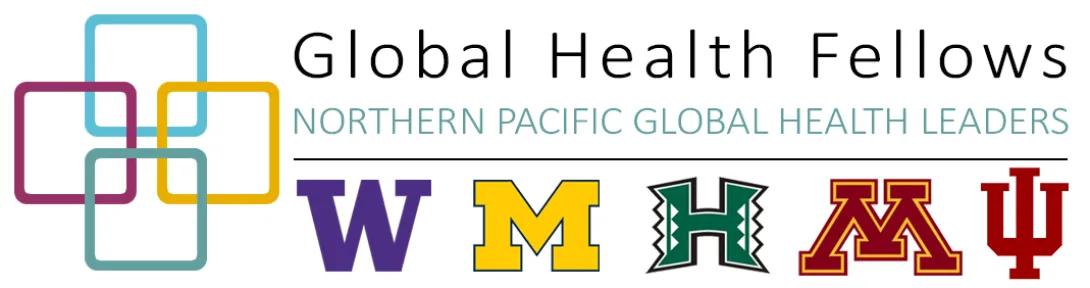
NPGH LEADER partner institutions include the universities of Washington, Michigan, Minnesota and Hawaii, as well as Indiana University, as well numerous international institutions across nine countries: Cameroon, Ghana, India, Kenya, Liberia, Nepal, Peru, Thailand, and Uganda.
For US trainees headed abroad, a revised recruitment and application process also encourages participation of individuals from underrepresented populations, based on established NIH and institutional goals to combat inequities in health care access and representation. Each participating fellow is assigned mentors from one of the US institutions, as well as an in-country mentor to help them complete their research project.
Also new following the grant renewal is a contingency allowing for exceptional trainees to request for continuation funding to extend their projects an additional 6-12 months. There are plans, too, for an alumni academy to keep former fellows engaged and develop the consortium’s pool of available mentors.
“I am delighted that this fellowship program has been renewed and look forward to engaging with more trainees in the coming years,” said Moyer, a longtime Fogarty program mentor. “For our participants, this is a great opportunity to immerse themselves in global health during what is a formative time in their career. That’s very important. On a personal level, engaging with the fellows and my mentor colleagues around the world has been among the most rewarding aspects of my work. I am grateful for the chance to keep building on those relationships.”
Featured News & Stories

Rebecca Nause-Osthoff, MD, named Associate Chair for Pediatric Anesthesiology
Dr. Adam Rodman to deliver Woolliscroft Endowed Lecture on November 17

Bigger data reveals the second, third, and fourth switches controlling a gene

Dr. Amy Kelley named chief of Geriatric and Palliative Medicine
Commentary: Global health research makes America richer and healthier