A U-M lacrosse player's rare life saving procedure in the emergency room
Thanks to a unique set up in Michigan Medicine's emergency department, Mason Whitney's clinicians could take action quickly
5:00 AM
Author |
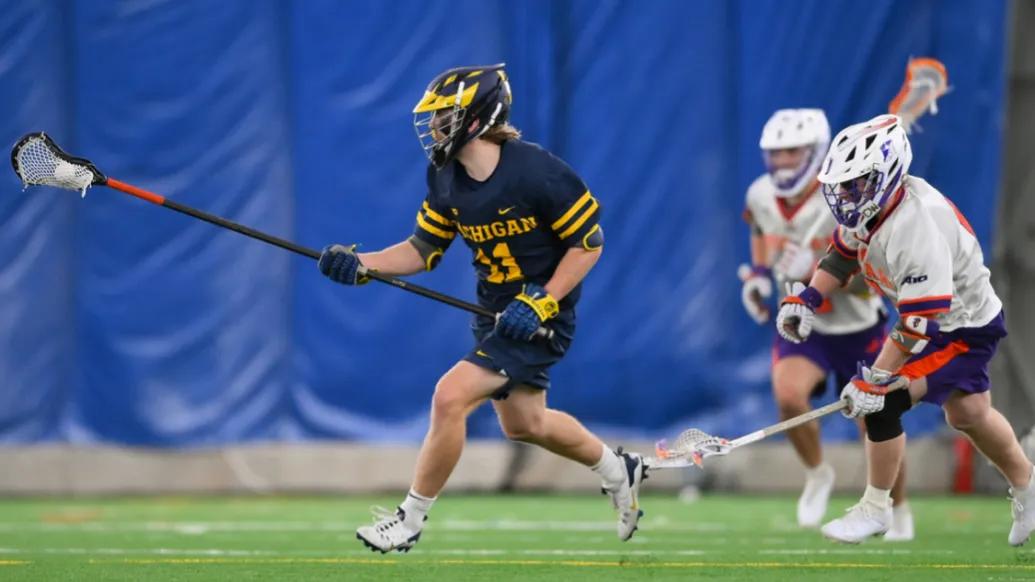
When a University of Michigan lacrosse player walked into an urgent care clinic with bruises on his legs and vision changes, he didn’t expect his night to end in a diagnosis of leukemia — or that a rare procedure available at Michigan Medicine would save his life within hours.
“A white count is normally somewhere between 8 to 12,000,” said Matthew Kennedy, D.O., assistant director of critical care education, clinical assistant professor of emergency medicine and anesthesiology.
“His was as high as 100,000, and so that immediately tells you it’s very concerning for an acute leukemia.”
How it began
Initially, Mason Whitney, went to an urgent care after he had not been feeling well.
When he tested negative for the flu and strep, the team acted quickly by getting him a blood test — the first act that would save his life.
When those tests came back abnormal, he was told to go straight to the emergency room.
The U-M Emergency Department team quickly recognized the crisis.
“I think, from the time that I got to the hospital to when I was like informally diagnosed, was within an hour,” Mason said.
“The quickness and response time were incredible.”
A night in the Emergency Critical Care Center
In Ann Arbor, while his parents remained in Connecticut, the young athlete faced an urgent decision.
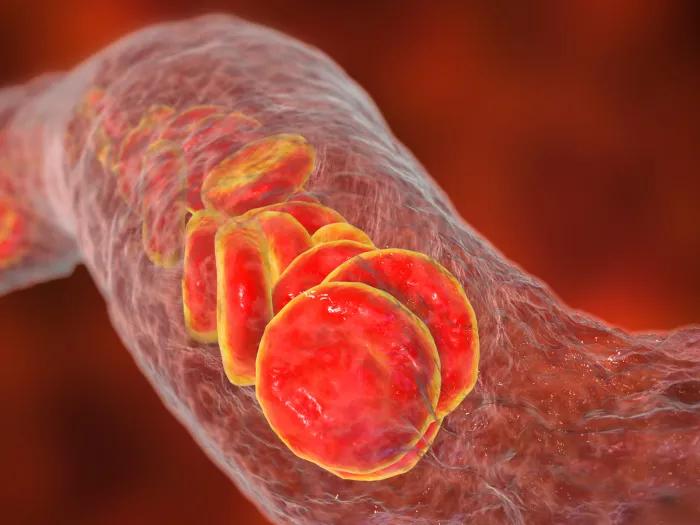
He needed leukapheresis — a therapy rarely performed in an emergency-room setting that rapidly removes abnormal white blood cells from circulation.
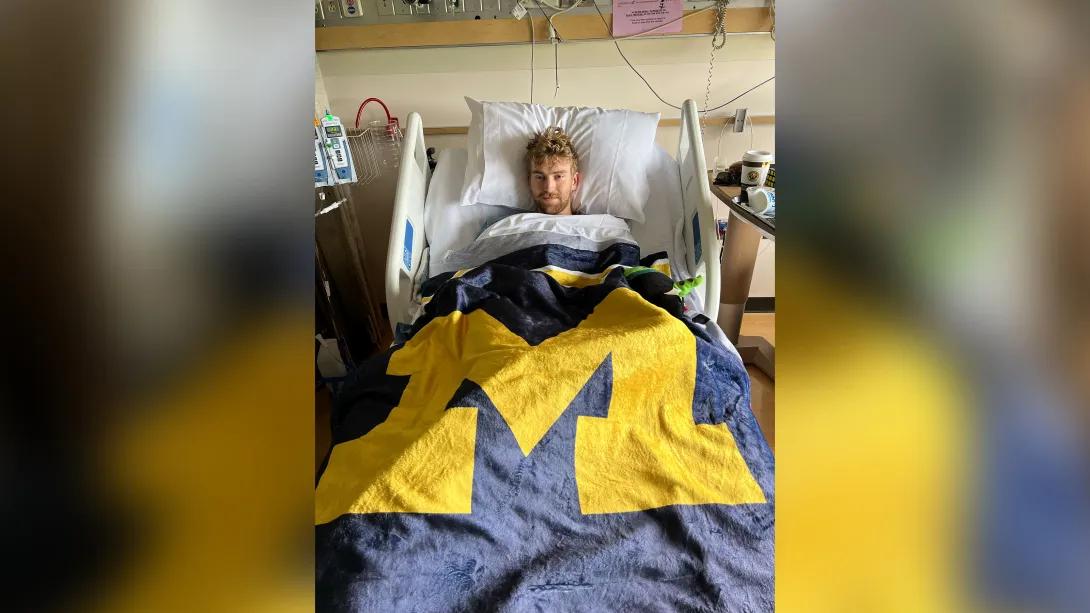
There are very few people in the country who can run the apheresis machine required for the procedure, and Michigan Medicine has those trained nurses on call.
“We called the apheresis nurse, and she brought her equipment to do this procedure late at night,” Kennedy explained.
“We were able to get this young man the leukapheresis that he needed in the Emergency Critical Care Center that evening.”
For Mason, the impact was immediate.
“That night, they saved my life," he said. “The level of care that I received, and the kindness of the nurses and the doctors, explaining things and answering questions over and over, was super impactful.”
Most emergency departments wouldn't have been able to provide this level of advanced care overnight.
But Michigan Medicine’s Emergency Critical Care Center, often referred to as EC3, is different.
“EC3 is very unique in the sense that we can provide 24/7 intensive care,” Kennedy said.
“We can do that out of the Emergency Department, and not many places, if any at all, are able to offer that.”
Instead of waiting for an inpatient intensive care unit bed, the emergency department team could act immediately.
“We're able to make that happen for him and get him the care he needed, right away, without any delays,” Kennedy said.
A mother’s relief
From nearly 700 miles away, Mason’s mother, Christyn Whitney, recalled the harrowing experience of receiving updates by phone.
She credited the urgent care physician who ordered blood work, the emergency department team who recognized the crisis, and the Michigan Medicine staff who mobilized instantly.
“Had he not gotten the results as quickly as he could or as he did, the outcome would have been much different,” Christyn said.
“Quite literally, he would not be here. His white blood cell count was so high that had he gone home and gone to bed, he probably wouldn't have woken up.”
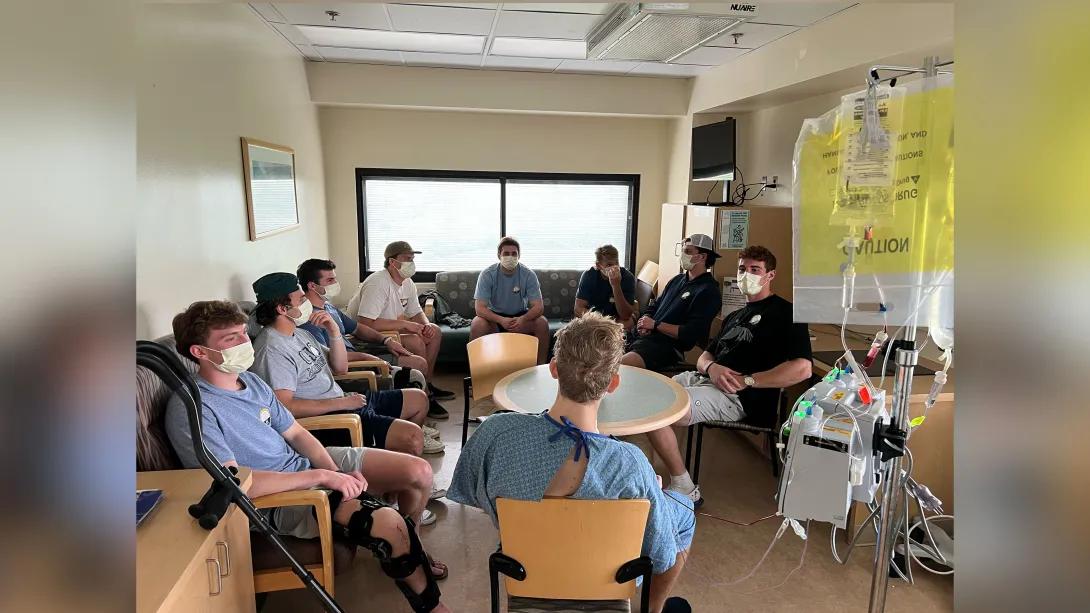
She also highlights Mason’s friends from his lacrosse team and the nurse who stood by her son throughout the night.
“There was an amazing apheresis nurse that stood at his bedside for as long as the procedure took and watched and made sure that what needed to be done was being done.”
Gratitude for a team effort
Mason is now home in Connecticut, where he received chemo and underwent a peripheral blood stem cell transplant from his donors, one being his brother and the other his U-M lacrosse teammate.
His latest bone marrow biopsy indicates that he's now in complete remission.
Looking back on the night that changed his life, his words are simple.
“The level of care that all of the nurses and doctors delivered on a personal level made the experience a lot better than it could have been. It really felt like everybody there was concerned and really wanted me to do well.”
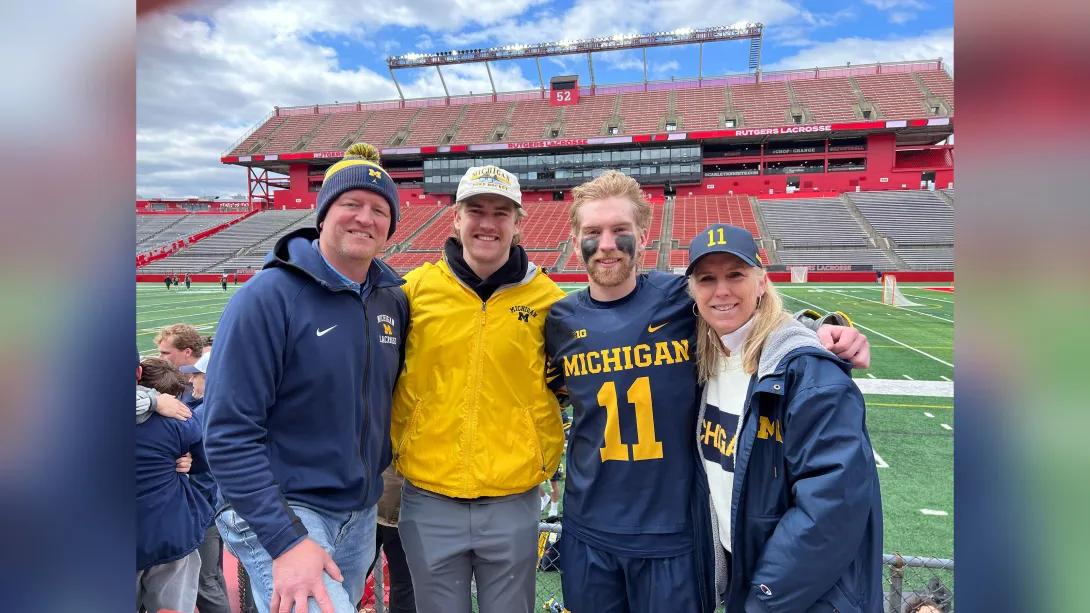
For the Michigan Medicine Emergency Department and EC3 teams, this story is more than a dramatic medical save — it’s proof of the critical difference that preparation, expertise and compassion make when lives hang in the balance.
“Mason and our family would not be where we are today without the amazing care he received at Michigan Medicine's emergency department,” said Christyn.
“A thousand thank yous would never be enough to truly express our gratitude for what Dr. Kennedy and the Michigan Medicine team did to save Mason's life."
Health Lab
Explore thousands of health news & research stories by visiting the Health Lab homepage for more.
Media Contact
Public Relations
Department of Communication at Michigan Medicine
In This Story
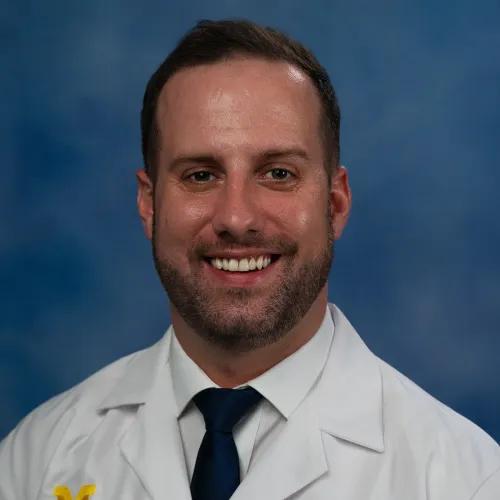
Matthew Kennedy, DO
Clinical Assistant Professor
Stay Informed
Want top health & research news weekly? Sign up for Health Lab’s newsletters today!
Featured News & Stories

Emergency room intervention pairs smartphone, telehealth counseling to reduce risky firearm behavior

Exceptional response to immunotherapy gives patient with liver cancer more milestones to celebrate

Digital alerts support timely treatment decisions of critically ill cardiac patients

Meet Our New Emergency Medicine Fellows and Faculty
What’s changing in Medicaid and what can you do?