Study helps explain how xanthan gum, a common food additive, is processed in the gut
Eating processed foods can alter the gut microbiome
1:25 PM
Author |
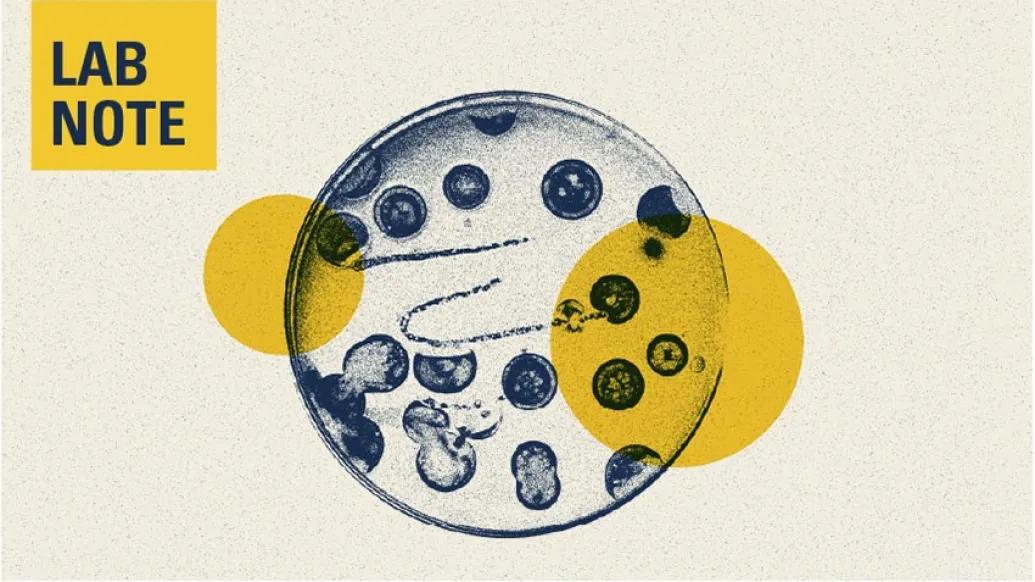
If you're a reader of food labels, you've likely encountered an ingredient called xanthan gum in everything from yogurt to baked goods to salad dressing. Xanthan gum is commonly added to processed foods, foods that have been altered from their natural state and which make up almost 70 percent of the typical U.S. diet. It is often used as a thickener due to its unique ability to make liquids more viscous.
A new study led by Matthew Ostrowski, Ph.D. and Eric Martens, Ph.D. of the University of Michigan Medical School Department of Microbiology and Immunology, and Sabina Leanti La Rosa, Ph.D. and Phillip Pope, Ph.D. of the Norwegian University of Life Sciences, examines the ability of the human gut microbiome to digest this relatively recently introduced food ingredient.
Xanthan gum processing appears to be driven by one microbe, a bacterium from the family Ruminococcaceae, which breaks down the carbohydrates in xanthan gum. A different gut bacterium, Bacteroides intestinalis, feeds on the smaller carbohydrates released by the Ruminococcaceae bacterium. Bacterial consumption of xanthan gum likely leads to the production of short-chain fatty acids that play roles in intestinal health and can contribute to total caloric intake.
Furthermore, the genetic signatures of these gut bacteria are relatively absent in samples from microbiomes of people from non-industrialized countries, hinting that widespread consumption of the food additive may actively alter the gut microbiome. The team also found that mice microbiomes are able to process xanthan gum, which may imply that the ability to process the substance may have already been present in the mammalian gut to some degree.
Ostrowski states, "While xanthan gum is generally considered safe, our results suggest that its widespread consumption may be enriching our microbiomes for bacteria that consume it. Our study is the first step in understanding how new food ingredients could be changing our microbiomes and whether these changes are good or bad. This may be especially important for people who consume above-average amounts of xanthan gum, such as people with celiac disease and those following gluten-free diets."
Paper cited: "Mechanistic insights into consumption of the food additive xanthan gum by the human gut microbiota," Nature Microbiology, DOI: https://doi.org/10.1038/s41564-022-01093-0

Health Lab
Explore thousands of health news & research stories by visiting the Health Lab homepage for more.
Media Contact

Public Relations
Department of Communication at Michigan Medicine
Stay Informed
Want top health & research news weekly? Sign up for Health Lab’s newsletters today!
Featured News & Stories
Belzutifan offers hope for patients with von Hippel-Lindau disease

The AI is listening: Implications of machine generated clinical notes on health care
Comprehensive DNA sequencing reveals hidden drivers of cancer

Many older adults make Medicare decisions quickly and most don’t change plans, poll finds
‘Molecular glue’ stabilizes protein that inhibits development of non-small cell lung cancer and uterine cancer