Many older adults lack clear eyesight, even with glasses
Vision impairment disproportionately impacts older adults
11:00 AM
Author |
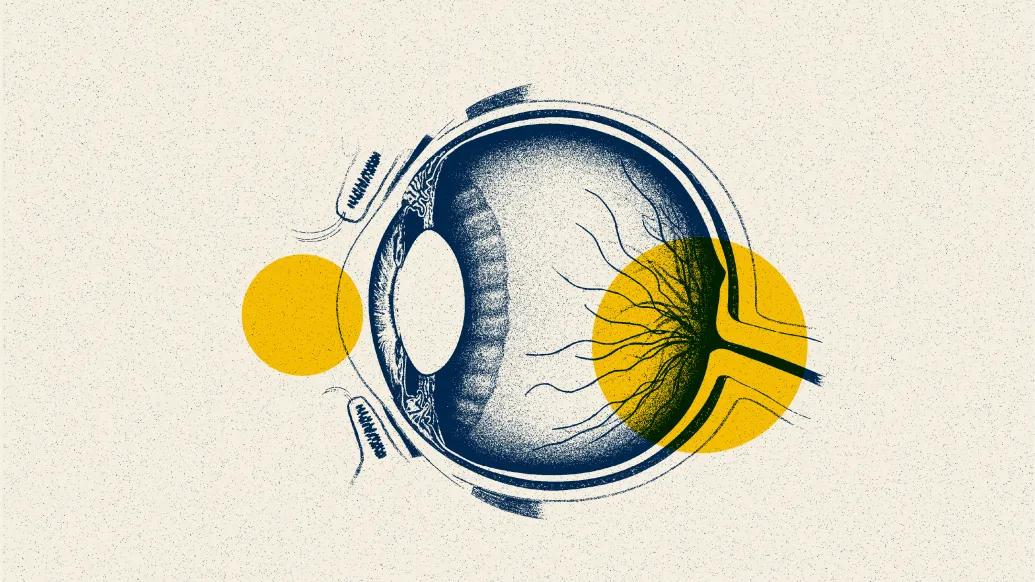
New research shows that 28% of people over the age of 71 have a visual impairment, even while wearing their regular glasses, contact lenses, or other visual aids.
“These findings are important to address, as poor vision is associated with several adverse outcomes for older adults, including depression, dementia, falls, motor vehicle accidents, and even death,” said Olivia J. Killeen, M.D., a Clinical Lecturer in the Department of Ophthalmology and Visual Sciences at Michigan Medicine who is lead author of a new study published in JAMA Ophthalmology.
The research, which represents the first nationally representative data on objectively assessed visual function in over 14 years, found that different types of visual impairment are associated with older age as well as with less education and lower income. Both near visual acuity and contrast sensitivity impairments were greater among non-Hispanic Black and Hispanic individuals, compared to non-Hispanic white individuals. Additionally, lower education and income were associated with all types of visual impairment.
Other studies have found that the cost of caring for older adults with vision impairment and blindness in the U.S. is high – as of 2017, it was $134.2 billion annually. Many older adults simply need updated eyeglasses to treat their visual impairment, yet many adults with visual impairment will face financial barriers to care. For example, traditional Medicare, a main insurer of older adults in the United States, only provides eyeglass benefits following cataract surgery, leaving many adults to pay out-of-pocket for their visual aids.
SEE ALSO: New paper offers first look at national eye health data in more than a decade
Joshua Ehrlich, M.D., M.P.H, assistant professor in the Department of Ophthalmology and Visual Sciences and the study’s senior author, said this type of research can help improve public health outcomes when it comes to supporting adults with visual impairment.
“The up-to-date data presented in this study are vital for informing surveillance of vision health in the U.S. and may enable public health programs to target those at highest risk of poor vision,” said Ehrlich.
The study is based on data from The National Health and Aging Trends Study, which is based at the U-M Institute for Social Research and the Johns Hopkins University Bloomberg School of Public Health.
Killeen is a National Clinician Scholar at the U-M Institute for Healthcare Policy and Innovation. Ehrlich is Assistant Professor of Ophthalmology and Visual Sciences and Research Assistant Professor at the Institute for Social Research, where he is a co-investigator of NHATS.
The NHATS is funded by the National Institute on Aging (AG032847). The research was funded by the National Eye Institute (EY027848, 027849) and Research to Prevent Blindness.
Additional authors include Olivia J. Killeen, MD, MS, Lindsey B. De Lott, MD, MS, Yunshu Zhou, MS, Mengyao Hu, PhD, David Rein, PhD, MPA, Nicholas Reed, AuD, Bonnielin K. Swenor, PhD, MPH, Joshua R. Ehrlich, MD, MPH
Paper cited: "The Population Prevalence of Vision Impairment in U.S. Adults Aged 71 Years and Older: Findings from the National Health and Aging Trends Study," JAMA Ophthalmology.

Health Lab
Explore thousands of health news & research stories by visiting the Health Lab homepage for more.
Media Contact

Public Relations
Department of Communication at Michigan Medicine
In This Story

Josh Ehrlich
Associate Professor
Stay Informed
Want top health & research news weekly? Sign up for Health Lab’s newsletters today!
Featured News & Stories

Top 7 tips for choosing Medicare prescription drug coverage for 2027

Comprehensive DNA sequencing reveals hidden drivers of cancer

‘Molecular glue’ stabilizes protein that inhibits development of non-small cell lung cancer and uterine cancer

Many older adults make Medicare decisions quickly and most don’t change plans, poll finds

What’s the latest on 7-OH and kratom availability and addiction care?