Nothing About Us Without Us: Bringing Disability into Clinical Training
In the disability community, the phrase “Nothing About Us Without Us” holds weight. It means that people with disabilities (PWD) should be at the center of any advocacy, policymaking and community engagement that impacts their lives. Two years ago, as a research assistant at MDisability working with Dr. Mike McKee, I saw the importance of engaging community partners in advancing disability health equity. This research reminded me of my dream to become a physician-advocate who could care for patients of all abilities. I remember looking through different medical programs and feeling disheartened at the gaps of disability health in curriculum, despite the fact that 1 in 4 adults in the U.S. identify as disabled. However, being surrounded by the Michigan Medicine community — Dr. McKee, the Center for Disability Health and Wellness, the UMMS Medical Students for Disability Health Advocacy (MSDHA) organization, and most importantly, metro-Detroit and Detroit self-advocates — empowered me to take action. Together, we have developed the Disability Standardized Patient Program at UMMS.
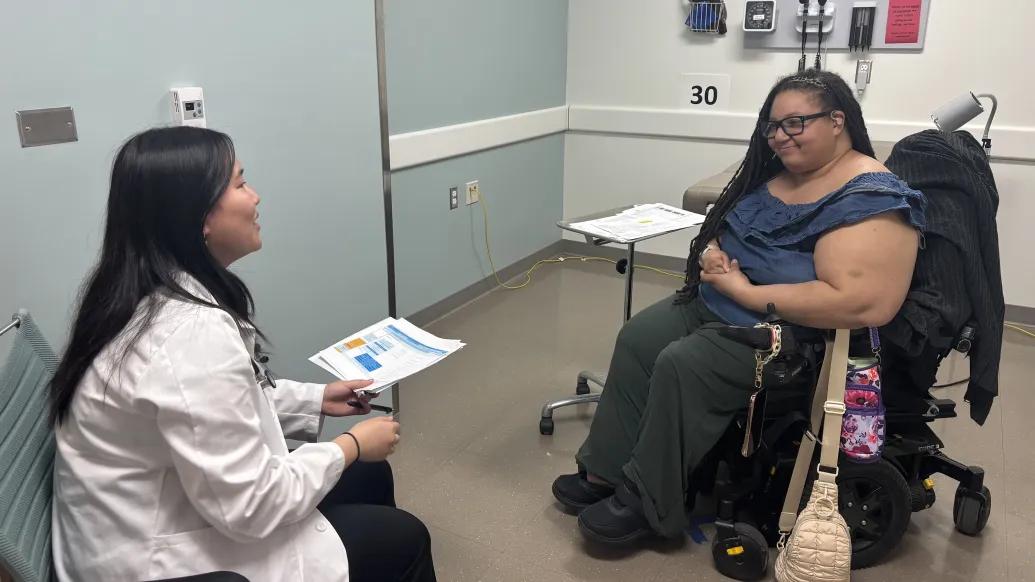
What is a standardized patient? First-year medical students at Michigan engage in a longitudinal clinical skills course called “Doctoring.” One component of this is the Standardized Patient Program – a hands-on experience for students to practice communication and clinical skills with standardized patient actors. While standardized patients (SPs) can vary across age, ethnicity, race or sexual orientation, one commonality is that SPs are able-bodied. In reality, patients represent a wide spectrum of disability and may require specific care — a patient need that first-year students do not have the opportunity to learn in a hands-on setting.
Building the Program
Addressing this gap, Dr. McKee, Emma Butcher (clinical research coordinator), Grayson Buning (MSDHA former co-president) and I coordinated with faculty, staff and medical students to design the Disability SP program, an optional after-school program for M1 students. We drafted patient cases that highlighted physical, intellectual and sensory disabilities so students could learn competent communication skills across the disability spectrum.
Most importantly, we partnered with seven community self-advocates across Detroit and Metro Detroit who generously dedicated their time and energy to being a SP. These community self-advocates all had extensive experience in advocacy, education and mentorship in disability justice, such as with organizations like Warriors on Wheels and Detroit Disability Power. We collaborated with self-advocates to ensure that critical points they found as poor or best practices in their health care experiences were taught in our program design. I feel especially grateful for the partnerships and trusting relationships I learned to build through our shared vision in making health care accessible.
Lastly, we recorded trainings and created communication tipsheets for different disabilities for medical students to review. Check them out here — I think they’re a great resource for anyone in patient care!
The program is supported by the National Institute on Disability, Independent Living and Rehabilitation Research grant (NIDILRR grant number 90RTHF0005). The funded Rehabilitation Research and Training Center is titled, “Advancing Health Equity for Adults with Disabilities from Diverse Communities.” The program is also supported by the Student Advocacy Council.
Experiencing the Program: Developer and Student
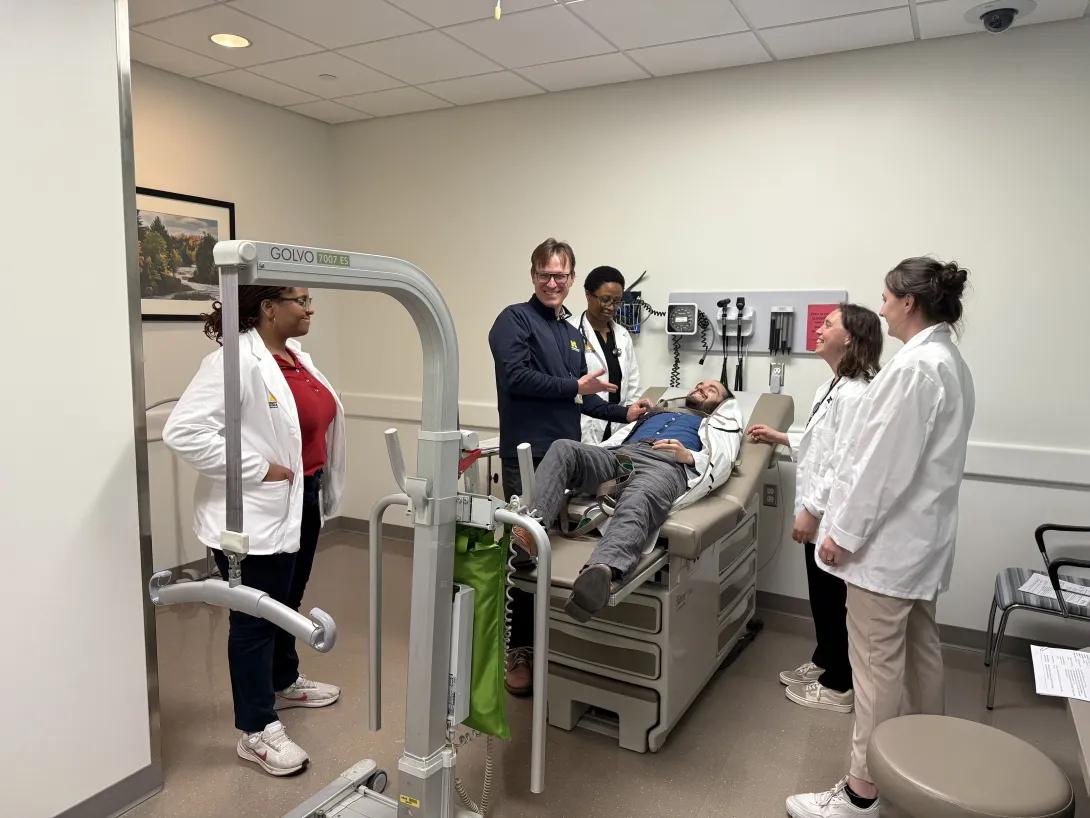
I still remember the day we piloted the Disability SP Program, and how excited I felt to see months of planning, training and coordination come to life. Although I was in the role of a program coordinator as a gap year research assistant, I was invigorated watching our first cohort of M1s engage with the SPs, rotating room-to-room in mock patient visits. Flash forward to this past spring and my own M1 year, I was eager to experience the program from the other side — as a participating student. As co-president of the Medical Students for Disability Health Advocacy (MSDHA), I partnered with my peers to expand the reach of the program to more students. We recruited eighteen students to learn from seven SPs who represented disabilities across physical, intellectual and developmental disabilities. The program rotated students to conduct medical history taking and physical exams with different SPs and patient case scenarios. We also offered an adaptive devices station where students could learn how to use Hoyer lifts, doorknockers, interpreters and personal sound amplifiers — an experiential learning opportunity not available to students otherwise.
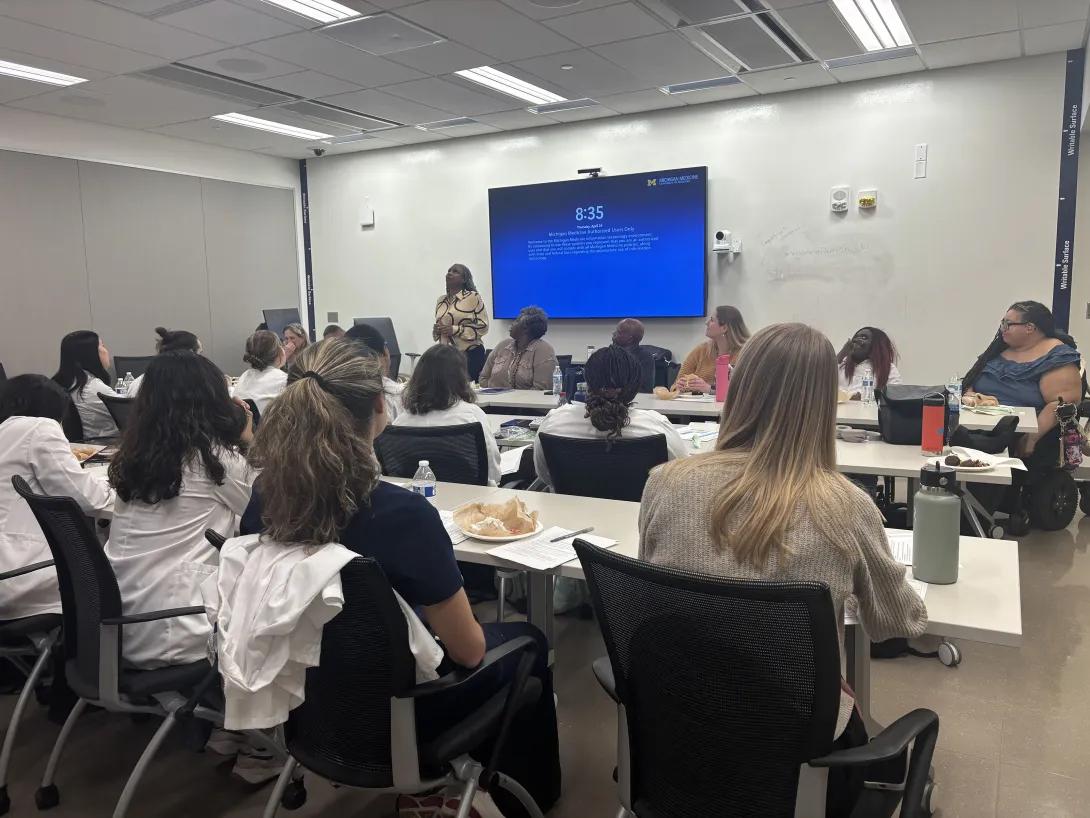
It was exciting to learn alongside my M1 classmates — and to also see how I could improve my own communication skills. One of my favorite moments was at the end of the event, where our SPs led a panel discussion about student feedback, their own lived experiences with their disability, what they wished health care would look like, the culture of ableism and the medical model of disability (the system of discrimination that favors people without disabilities, which views a disability as a problem and a medical issue to fix), amongst many other critical points. I remember the energy of the room — how each student was leaned in and how we soaked in these patient perspectives. The SPs were our teachers, showing us how we could be part of advancement of disability health equity with our individual actions and future practice. In that moment, I truly felt the phrase, “Nothing About Us, Without Us,” come to life.
Next Steps and Reflections
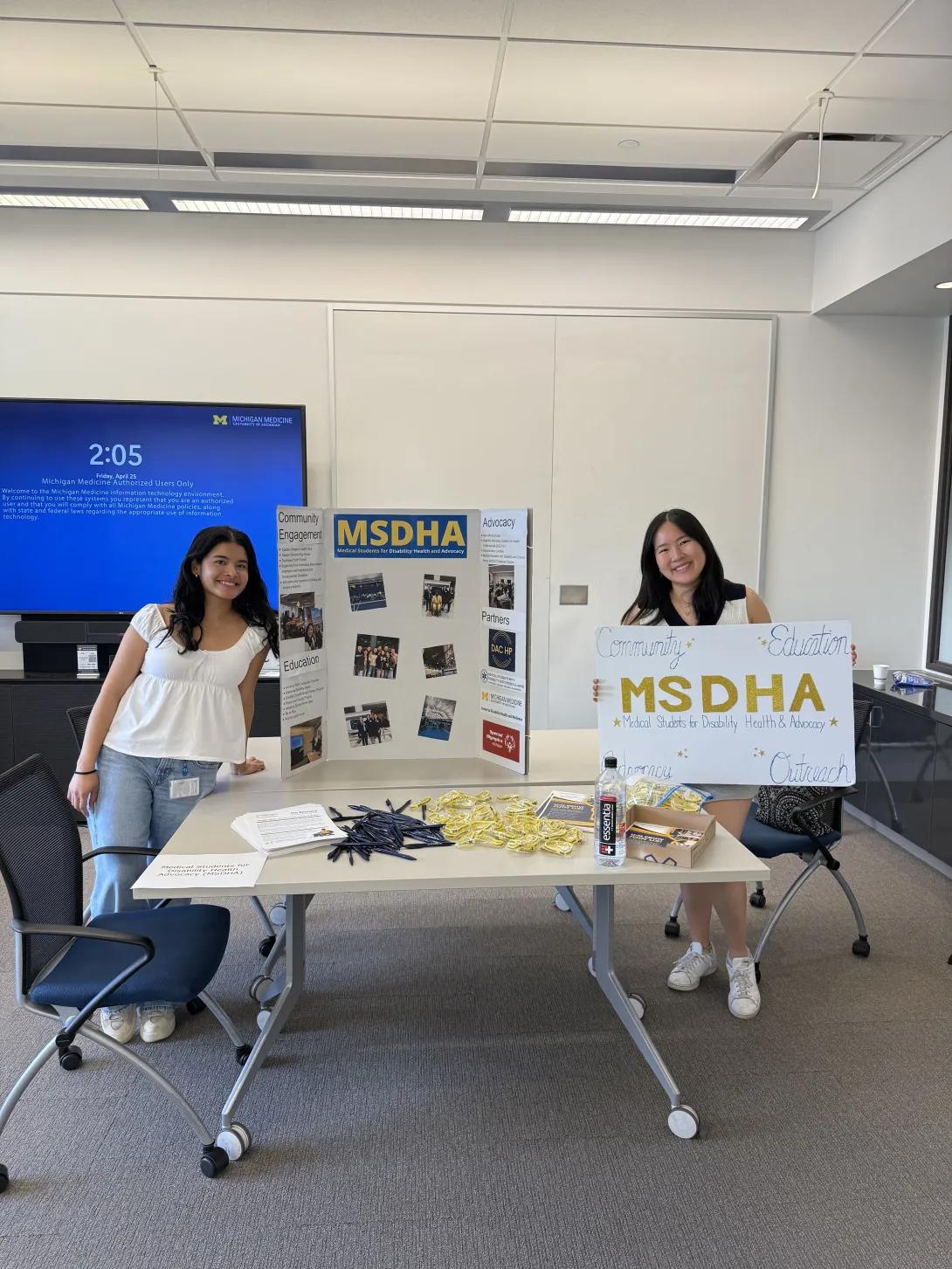
Looking forward, our team hopes to continue this program in the coming years. While I’m proud of the way this program has grown, sustainability is always a question. This is one of the reasons why we continue to have conversations with administration and faculty to seek different ways we can integrate disability health into the official curriculum. Outside of UMMS, our hope is to share our findings with other medical training programs to encourage similar experiential learning opportunities. I’m hopeful to see how we can continue to make medical education more inclusive.
If you’re an undergraduate or a medical student applicant reading this, know that advocacy is part passion, but also part courage to believe that you are capable of making a difference. Even as a student, your insight means a lot in shaping medical education and therefore the future of medicine. At Michigan, I feel grateful to be among passionate medical student peers, passionate faculty champions such as Dr. McKee and community members who share this vision. And while health care still has a long way to go in terms of providing adequate, equitable care for people with disabilities, I’m a firm believer that educating the next generation of providers is a valuable step forward. With every SP interaction, every student engaged, it only means a movement towards better, accessible care for a real patient one day. I feel grateful to be a part of what can only be a promising shift towards making sure every patient feels seen, understood and fully cared for.
Josee Li is a second-year student at the University of Michigan Medical School. She is passionate about disability health advocacy and global health equity. Outside of medicine, you can find her dancing in Biorhythms/the Galen’s Smoker, eating ice cream across Ann Arbor or tubing down the Huron River.
Media Contact
MD Admissions
University of Michigan Medical School
In This Story
Michael M McKee
Professor
Featured News & Stories
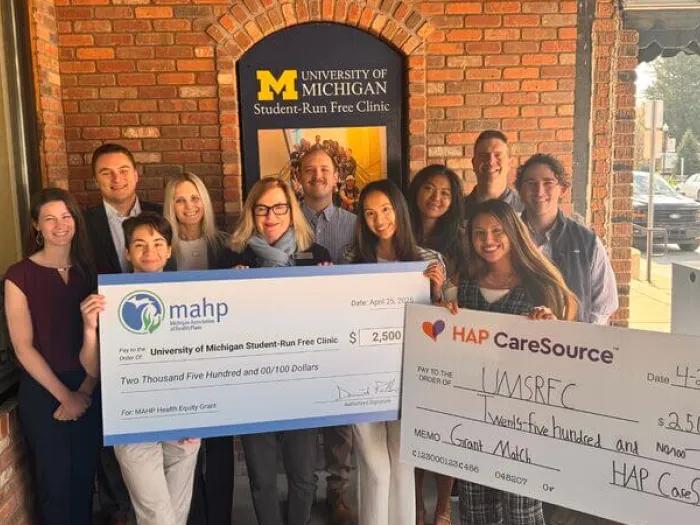
One Patient, Five Schools: Building Interprofessional Care at Michigan's Student-Run Free Clinic
Learning about the Life Loaf: My Experience Working in OBGYN Research
Medical students develop novel technological solutions for unmet patient needs
White Coat Ceremony marks start of medical school journey for incoming M1s
Get ready to welcome new medical students at White Coat Ceremony on July 26