Advancing Antimicrobial Stewardship in the ICU
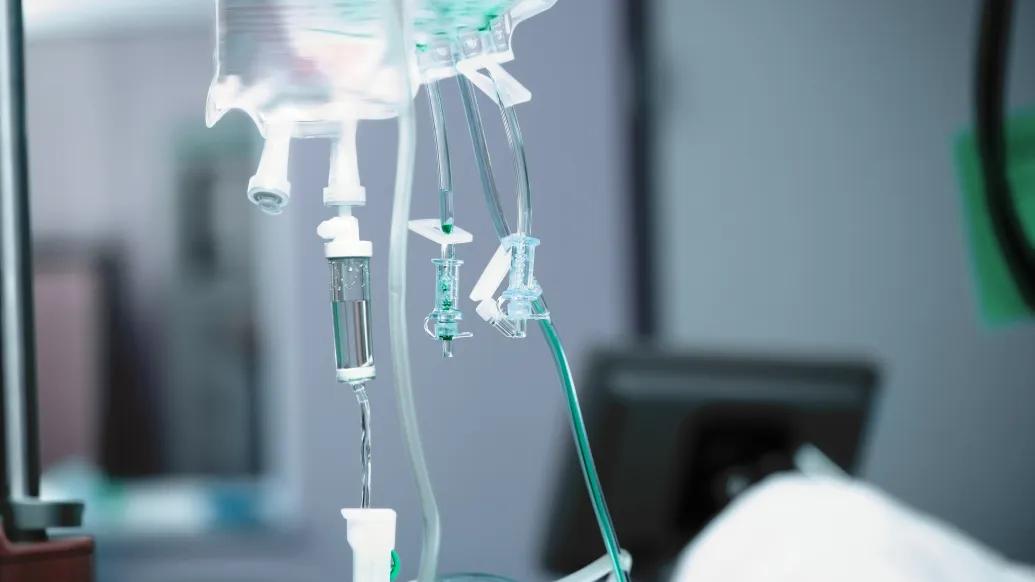
Overuse of antibiotics in the intensive care unit (ICU) has led to serious consequences like antimicrobial resistance and unnecessary side effects. However, for patients with diseases like pneumonia, it can be challenging to diagnose and use antibiotics responsibly.
Owen Albin, MD, a clinician and assistant professor in the Division of Infectious Diseases, is researching ways to implement antibiotic stewardship in the ICU and personalize treatment for patients with hospital-acquired pneumonia. See how his work is helping equip physicians with the latest tools to make safer and more targeted decisions about antibiotic use and improve patient outcomes.
Improving Personalized Treatment
Dr. Albin’s clinical research focuses on two interrelated goals: how to personalize antibiotic treatment for ICU patients with pneumonia and how to promote responsible antibiotic use in this high-risk setting. “A major challenge across the globe has been the emergence of superorganisms, where we either don’t have the antibiotics that work well to treat them or we do, but they’re really toxic and oftentimes not worth the risk,” says Dr. Albin. “As a result, we have to start being more thoughtful on how we use antibiotics, specifically how we overuse them.”
Hospitals have addressed this issue by implementing antibiotic stewardship programs - collaborative initiatives involving physicians, pharmacists, and other specialists who establish guidelines to ensure the proper use of antibiotics. Antibiotic stewardship programs have been successful in preventing the emergence of antimicrobial-resistant superbugs, but a lot of the work has been done on general hospital floors. “In the ICU, things look a little different for many reasons,” says Dr. Albin. “There haven’t been a lot of successful antimicrobial stewardship programs in the ICU because it’s difficult to avoid giving antibiotics to critically ill patients.” Dr. Albin’s research aims to develop innovative ways to help give ICU physicians the tools to reduce unnecessary antibiotic use when it’s safe and appropriate.
Dr. Albin also looks at how to personalize antibiotic use, especially in hospital-acquired pneumonia patients. Currently, it’s challenging for ICU physicians to identify and treat pneumonia patients who are on a ventilator because it’s difficult to tell if it's true pneumonia or if it was acquired during their stay. “We can sometimes end up overtreating these patients with antibiotics, which can be harmful to the healthy germs in their bodies,” says Dr. Albin. “On the other hand, we may end up under treating them and when we suddenly stop the antibiotics, it’s almost like the rug’s been pulled from underneath them and the pneumonia can come back.” Part of Dr. Albin’s research is figuring out a ‘Goldilocks’ antibiotic regimen.
Addressing the Research Gaps
One of the biggest gaps in the current approach to hospital-acquired pneumonia treatment is the lack of ability to communicate directly with patients. “If you go to your doctor with a cough and a fever, they might diagnose you with pneumonia, give you an antibiotic, and tell you to follow up in a couple days if you don’t feel better,” says Dr. Albin. “While it’s not entirely straightforward, it’s easier to discern if a patient has been cured of their infection if they can tell you how they’re feeling.” While in the ICU, patients are often sedated or on ventilators, so they’re unable to communicate directly.
As a result, physicians may need to rely on objective clinical data to let them know whether a patient has improved, which doesn’t always provide a clear answer. For example, physicians may look if a patient had a fever that has since resolved, a white blood cell count that was high and is now lower, or if they’re requiring less ventilator support. “These kinds of things, while they may seem like good measures of improvement, don’t work well in the ICU because there are a lot of other things that can cause these changes that have nothing to do with pneumonia,” says Dr. Albin. Therefore, physicians struggle to say with confidence whether a patient has cleared their infection or requires further treatments based on the outcomes of routine measures, which may result in over or under treating with antibiotics.
In response, Dr. Albin and other clinicians have been working to identify biomarkers to show how patients are responding to their infection. These have typically included lab tests where samples are taken from the blood, but when a patient has a lung infection in the ICU, it can cause implications because there might be other things impacting their lab results that are unrelated to the lungs. Now, rather than looking at blood biomarkers to personalize care, clinicians are using them to see how someone is responding to antibiotic treatment.
For hospital-acquired pneumonia patients, clinicians are looking directly at the site of the infection, which is in the lungs. “At the very end of your lungs, there’s an area where air collects and diffuses into your bloodstream - it’s how you get oxygen in your blood, and it’s where pneumonia infects you,” explains Dr. Albin. “When germs get in that area, your immune system tries to fight them off, which ends up causing harm in the process.” Dr. Albin’s study looks at samples taken within the lungs at the site of infection and uses different biomarkers to tell if those can perform better than what’s been historically found in the blood.
Preventing Overdiagnosis and Unnecessary Treatment
Through the work that’s been done so far, one of the most surprising things clinicians have found has been how antibiotics are globally used within the ICU. “As I mentioned earlier, sometimes we don’t know if a patient in the ICU has pneumonia but we don’t want to miss a diagnosis, so while we are still extra cautious with these patients, we give them antibiotics," says Dr. Albin. “However, we have a lot of data that suggests these patients either didn’t need antibiotics in the first place, they probably didn’t have pneumonia and didn’t need to be treated for it, or if they did, they didn’t need to be treated for more than a couple days.”
Dr. Albin and his team recently completed a quasi-experimental study of a bundled diagnostic stewardship intervention for ventilator-associated pneumonia to give bedside clinicians the tools to identify patients who are unlikely to have pneumonia. They identified a number of syndromes where if something happens to a patient, they might develop a fever while in the ICU. “Typically, physicians will perform a big workup when a patient has a fever to see if there are any germs in the lungs,” says Dr. Albin. They determined if people have a fever but nothing new is going on with their body, for example, they are not requiring more ventilator support, their lungs don’t show any changes, and their blood pressure is stable, they are unlikely to have pneumonia.
They also put together a set of tools within the electronic medical records (EMR) system to guide physicians on the front lines of the ICU on when they should or shouldn’t sample lungs of ventilated patients, because germs are likely to be present whether the patient has pneumonia or not. “When patients are on a breathing tube, germs can collect inside of the tube and cause an infection in their lungs, even if the germs don’t reach all the way down,” says Dr. Albin. Limiting the number of samples unnecessarily taken from ventilated patients helps limit overdiagnosis or misdiagnosed pneumonia, which can spare patients harmful consequent antibiotics.
The study ran for about a year and showed not only was doing this safe, which was the primary goal, but also resulted in meaningful and significant decreases in the number of tests and amount of antibiotics ventilated patients were exposed to. “When we did the study, we were hoping just to see it was safe, but we also saw it meaningfully impacted how people use antibiotics within the ICU,” says Dr. Albin.
New Tools for Targeted Antibiotic Treatment
It’s important for infectious disease clinicians to understand what germ is causing an infection before deciding on how to treat it. “There’s many different germs that behave differently, respond to antibiotics differently, and therefore, need to be treated differently,” says Dr. Albin. Historically, clinicians have used samples of germs from different parts of the body - the blood, sputum, or urine, and used them to see if germ cultures will grow from it. While this has worked well for years, the problem is it can take between 48-72 hours to identify the germ and determine the best antibiotic to treat it with. In that time, clinicians are often forced to decide whether someone has pneumonia and what will effectively treat it.
Today, there are certain tests available that can identify the genetic material of germs very quickly directly from samples and determine which germ it is. Some tests can even tell what antibiotics are likely to be most effective, based on the genes of the germ, sometimes within the span of an hour. “Part of what we’re looking at in our study is using these molecular diagnostic tests to see if not only we can identify germs quicker, and more expediently, but whether using these tools can translate to better outcomes for patients by determining the antibiotics they need,” says Dr. Albin.
Dr. Albin’s research highlights a growing need in critical care - to improve how we diagnose and treat infections like hospital-acquired pneumonia in the ICU, without defaulting to over antibiotic use. Through innovative tools, data-driven guidance, and a deep clinical understanding, Dr. Albin’s work is helping to redefine antibiotic stewardship in critical care environments.
Learn more about Dr. Owen Albin’s research and Michigan Medicine's Antimicrobial Stewardship program.
In This Story
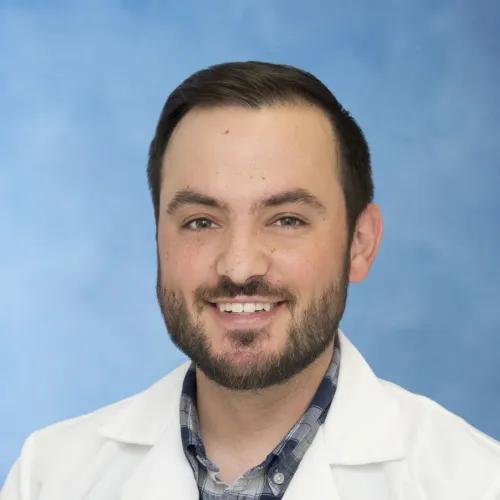
Owen R Albin
Assistant Professor
Featured News & Stories

Rebecca Nause-Osthoff, MD, named Associate Chair for Pediatric Anesthesiology

Dr. Adam Rodman to deliver Woolliscroft Endowed Lecture on November 17

Bigger data reveals the second, third, and fourth switches controlling a gene

Dr. Amy Kelley named chief of Geriatric and Palliative Medicine

Commentary: Global health research makes America richer and healthier