Michigan Medicine’s Department of Emergency Medicine Hosts International Meeting on Diagnostic Excellence
Author |
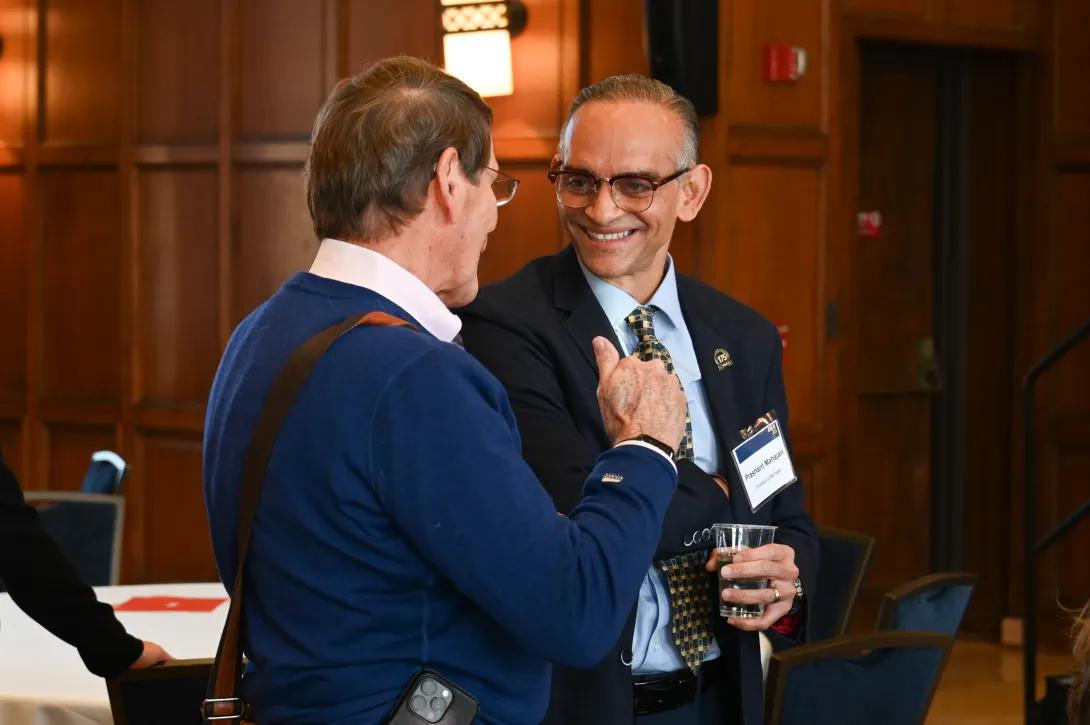
The Department of Emergency Medicine at the University of Michigan (U-M) welcomed clinicians, educators, researchers, administrators, patients, and advocates from around the world for the Diagnostic Excellence 2025 (DEX25) meeting, held October 27–29 at the Michigan League in Ann Arbor. This three-day gathering focused on advancing the safety and accuracy of clinical diagnosis through science, education, and collaboration.
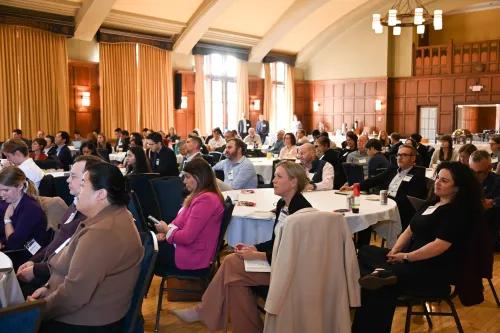
The conference was a collaboration between the U-M Department of Emergency Medicine, the Coordinating Center for Diagnostic Excellence (CODEX) at the University of California, San Francisco, and the Community for Improving Diagnosis in Medicine (CIDM).
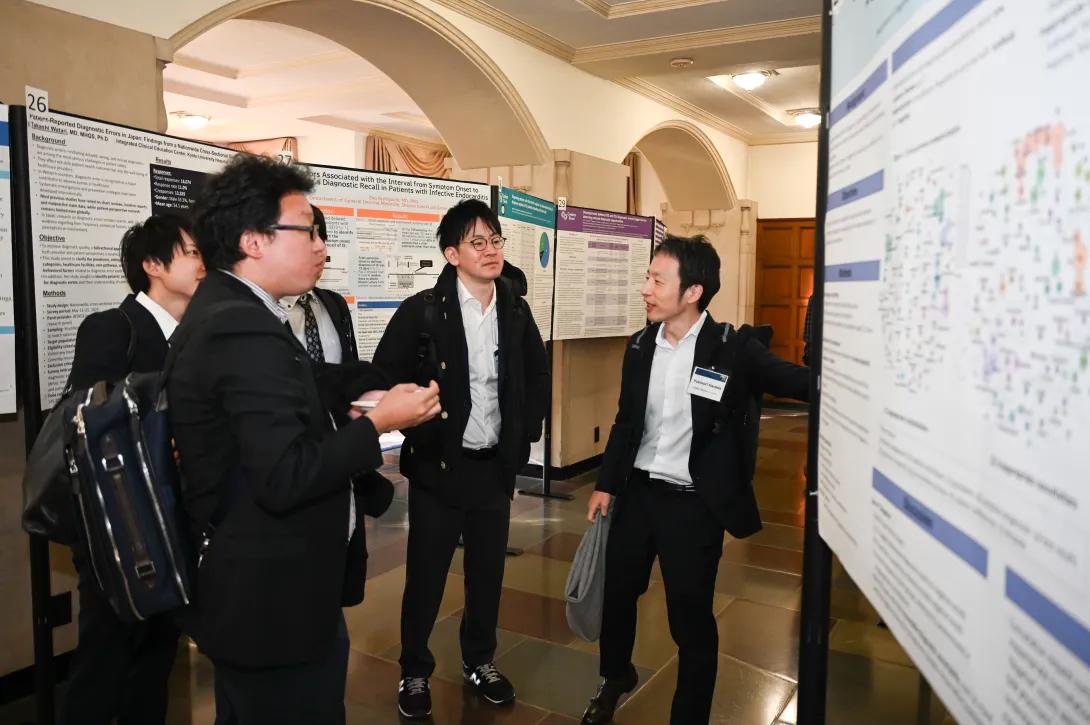
The program included plenaries, poster sessions, panels, workshops, and community-building activities. Attendees engaged in presentations on clinical reasoning; measurement and assessment of progress in improving diagnosis, and the emerging role of artificial intelligence in diagnostic excellence.
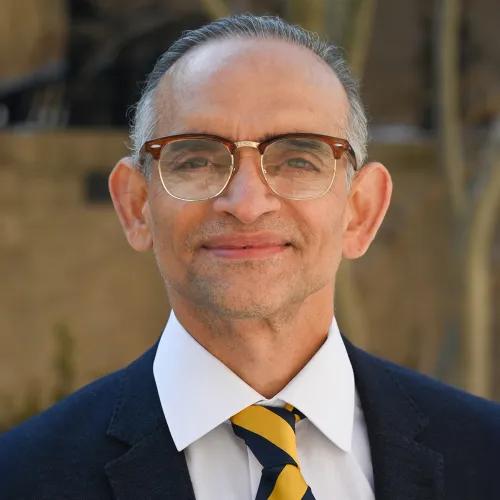
The three co-hosts include Prashant Mahajan, MD, MPH, MBA, Chair of the Department of Emergency Medicine at U-M; Sumant Ranji, MD, Professor of Clinical Medicine at UCSF and Director of CODEX; and Andrew P.J. Olson, MD, President of CIDM, and Professor of Medicine and Pediatrics at the University of Minnesota.
“Preventing diagnostic errors is important, but achieving diagnostic excellence involves more than just avoiding harm,” Dr.Ranji said. “The goal of DEX25 is to learn how patients, clinicians, educators, and health systems are developing new and innovative ways to identify patients at risk of a missed or delayed diagnosis and actually improve the diagnostic process, so patients can get their diagnosis quicker, more accurately, and more efficiently.”
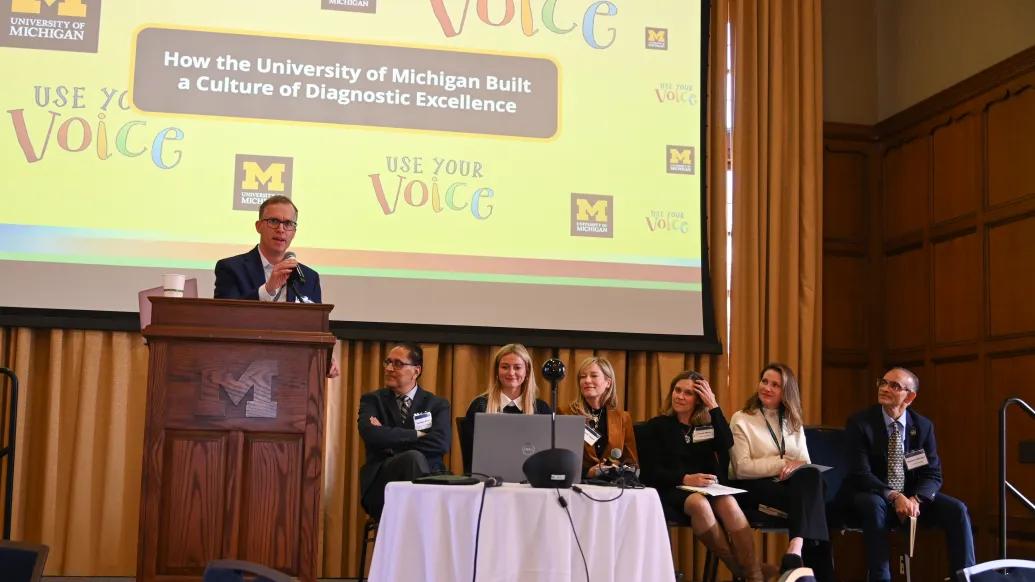
At a keynote session titled “The C-Suite's Playbook: How the University of Michigan Built a Culture of Diagnostic Excellence,” Michigan Medicine leaders highlighted progress in sepsis care as evidence that system-wide improvement in diagnosis is achievable, which is important because sepsis is the number one killer in hospitals.
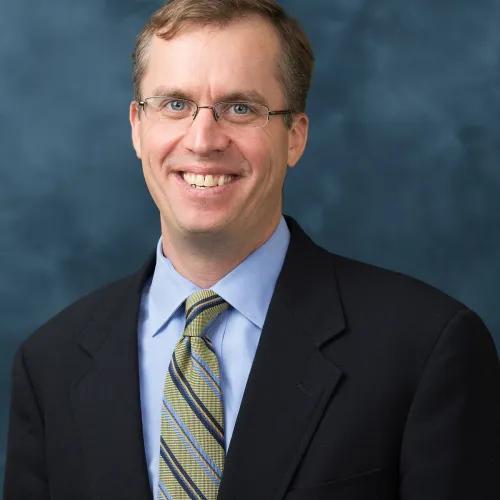
“We've saved lives over the last several years as a consequence of better approaches and better systems to improve sepsis,” said David C. Miller, MD, MPH, CEO of Michigan Medicine. “Can we use this as a model to repeat and build on? That's where the work of the Center for Diagnostic Excellence offers great potential.”
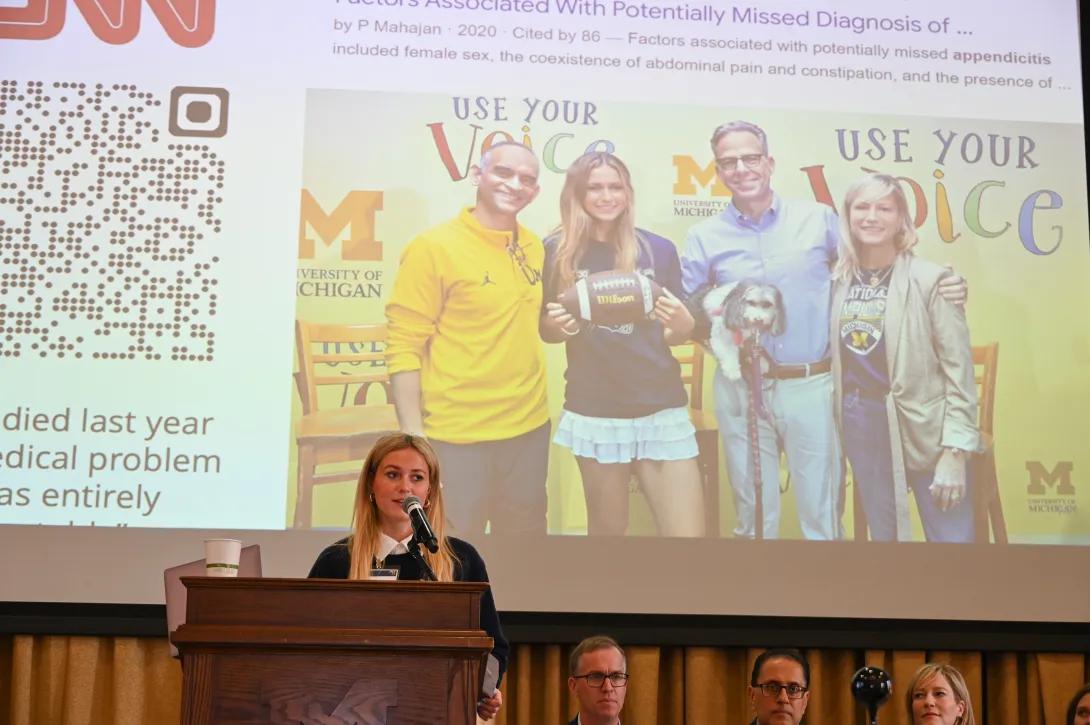
The Center for Diagnostic Excellence at the University of Michigan was shaped by Dr. Mahajan, who was also an event speaker. It aims to reduce patient harm from diagnostic errors by implementing innovative solutions, including ways to empower individuals to use their voice in the diagnostic process.

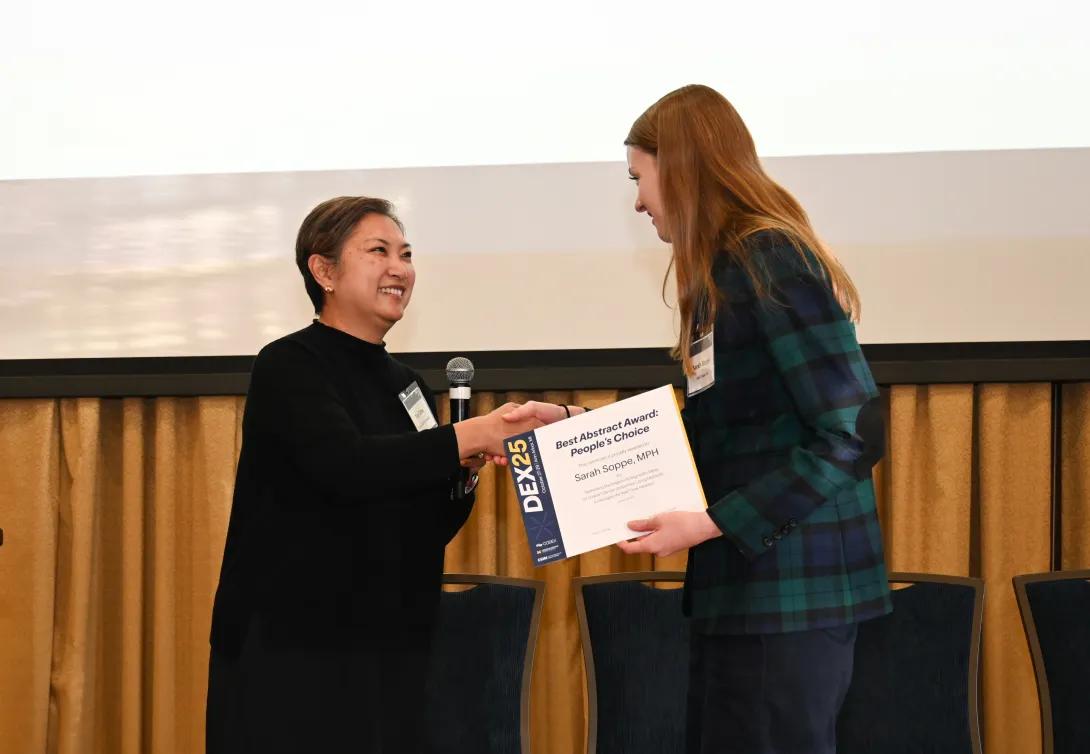
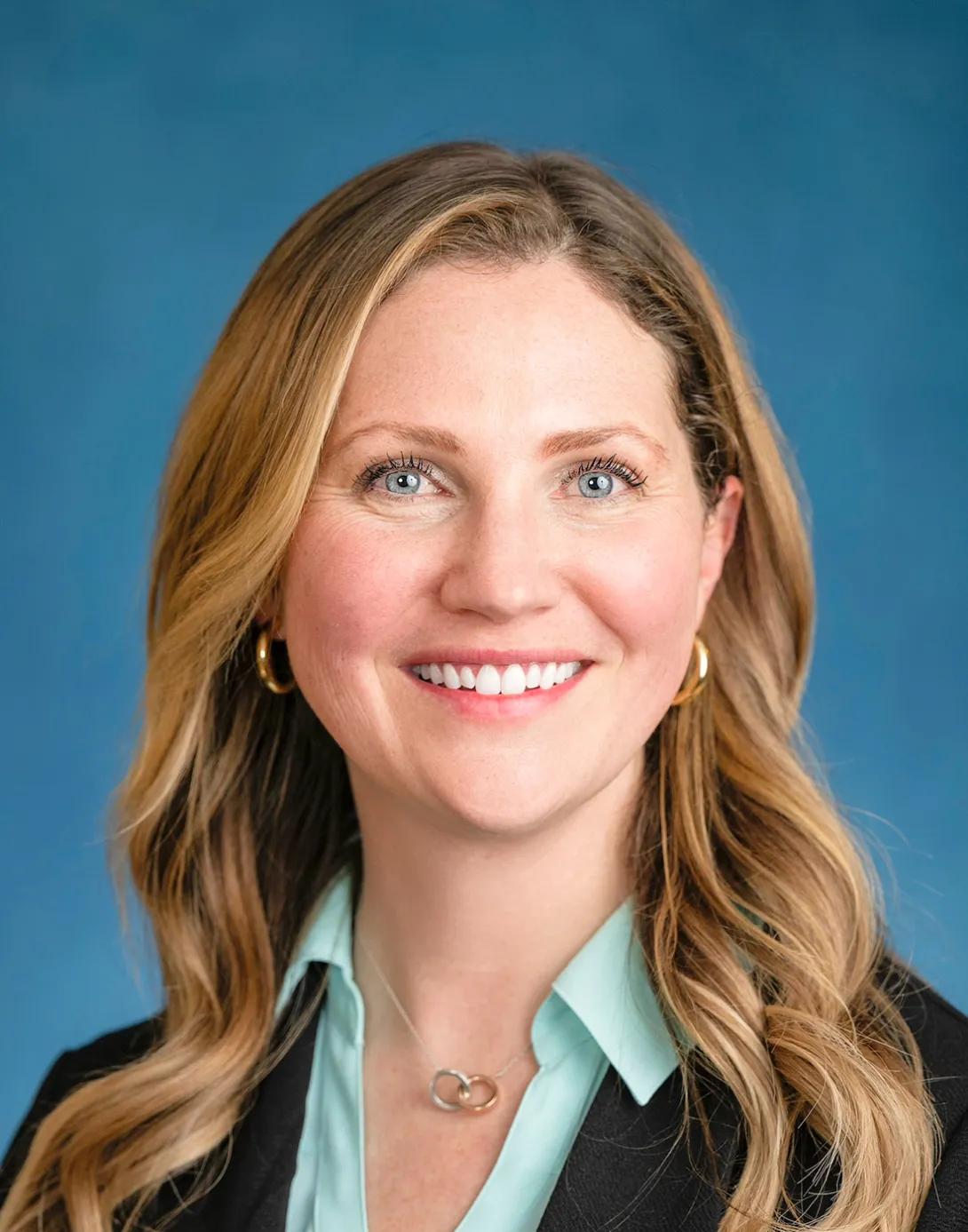
“Achieving diagnostic excellence isn’t only about getting the diagnosis right — it’s about creating systems that allow clinicians to connect meaningfully with their patients and with one another,” said Elizabeth A. Harry, MD, Chief Well-Being Officer at Michigan Medicine. “When those systems support reflection, teamwork, and learning from errors, they not only prevent harm but also restore a sense of professional fulfillment. The well-being of clinicians and the safety of patients are deeply intertwined.”
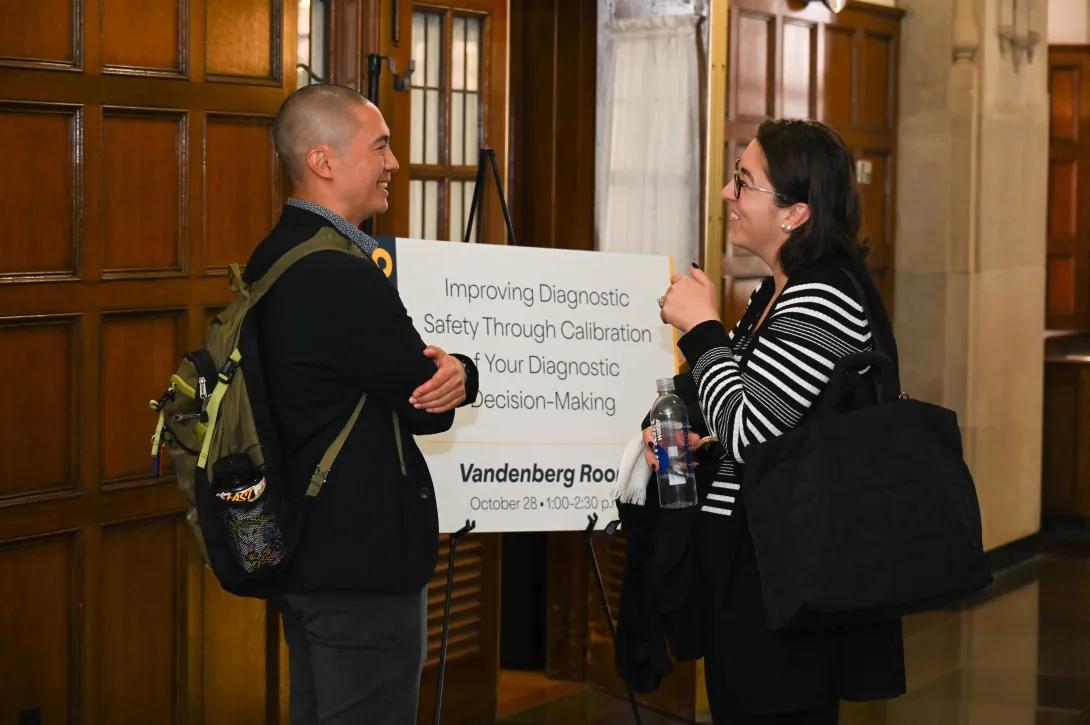
Speakers also emphasized the importance of leadership commitment and cultural change.
“We used to think of diagnostic excellence as an individual concept, but over the last five to 10 years, it's very clear that it also applies to health systems — especially academic medicine centers — that they need to start their journey towards diagnostic excellence,” said Hardeep Singh, MD, MPH, Professor of Medicine, at Baylor College of Medicine, Houston, and speaker at the event.
Singh outlined a “7R model” for convincing health systems: right thing to do, reputation, research, resilience, regulation, risk, and revenue.
“To get busy clinicians to the table, not only do we need to create a psychologically safe environment for them to participate in diagnostic excellence activities, but we also have to give them some sort of an incentive,” Dr. Singh said.
Emergency medicine was described as a critical proving ground for diagnostic excellence and is uniquely positioned to advance diagnostic innovation.
“Although emergency departments are considered a natural laboratory to study clinical diagnosis, it is important to recognize that diagnostic excellence transcends a single setting and is not limited to a single specialty,” Dr. Mahajan said. “The real question is, can large academic medical centers jumpstart the work related to achieving diagnostic excellence, and can we move the needle and demonstrate impacts not only the patient, clinician, and system level, but also at the regional level, national level, and global level?”
For many, the strongest reminders of why this work matters came from the front line. Brook Watts, MD, MS, FACP, Michigan Medicine’s Chief Quality Officer and Clinical Professor of Internal Medicine at U-M, described how both world experts and bedside clinicians at U-M collaborate to translate knowledge that improves care.
“Doing the work means doing it all the way to the front line,” Dr. Watts said. “That’s what an academic medical center can bring to the table — world experts working alongside change agents at the bedside to take better care of patients.”
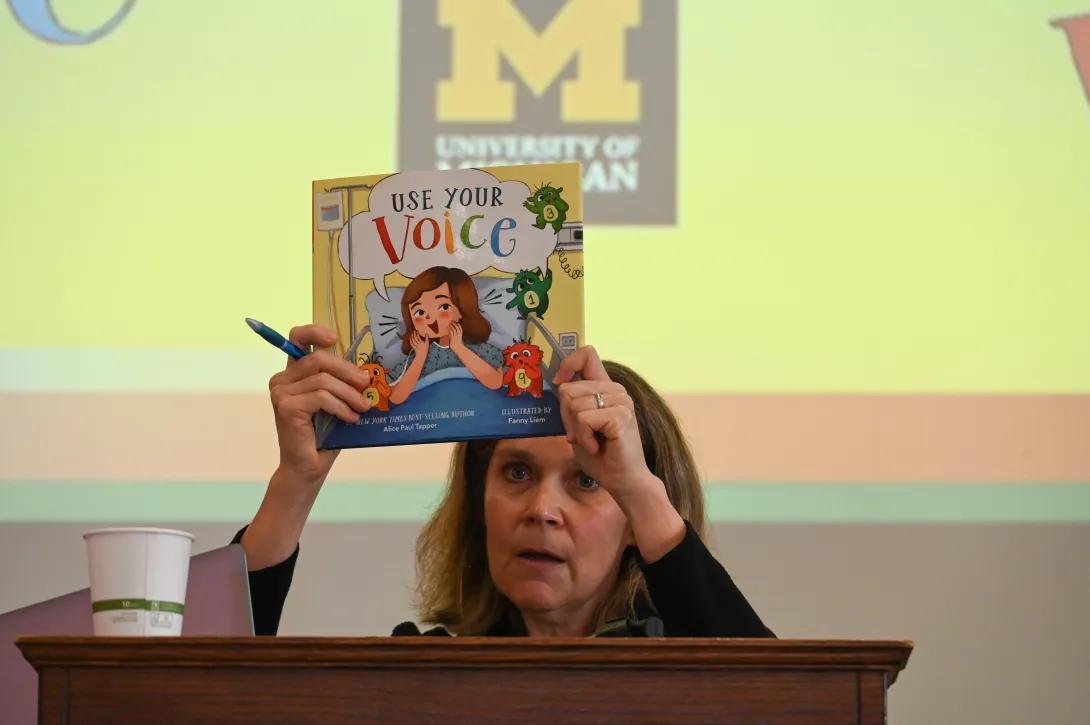
The meeting also featured a patient perspective from Alice Tapper, who nearly died after a misdiagnosed appendicitis. She has since authored "Use Your Voice," a book encouraging children and teens to advocate for themselves in healthcare settings.
As the meeting concluded, Dr. Olson reminded participants that diagnostic excellence is not only about science but also about a shared commitment to patients and families.
“Healthcare is something that we, by definition, do with patients and their families, not for patients and their families,” Dr. Olsen said. “Engaging patients, sharing your thinking out loud, sharing uncertainty, and then constantly trying to learn from your outcomes, is perhaps the most important thing we could do.”
About the Diagnostic Excellence 2025 Meeting
DEX is an annual meeting hosted by the UCSF Coordinating Center for Diagnostic Excellence (CODEX) and the Community to Improve Diagnosis in Medicine (CIDM) with a rotating academic co-host. The conference connects a vibrant, growing community of clinicians, researchers, educators, patients, and innovators who care deeply about improving diagnosis. Whether you're new to the field or building your career, DEX is where ideas are shared, careers are supported, and real progress happens.
In This Story
David C Miller, MD, MPH
Professor
Prashant Mahajan, MD, MPH, MBA
Professor
Elizabeth Harry, MD
Chief Well-Being Officer
Brook Watts, MD, MS, FACP
Clinical Professor
Featured News & Stories
The Long Road to Emergency Medicine: How Michigan Built a New Specialty

Miracle Man: Saved in a High-Risk Winter Flight, 24 Years Later, a Family Still Gives Thanks

Trial focuses on duration of therapeutic hypothermia for out-of-hospital cardiac arrests

E-bikes are faster than ever. Are families prepared for the risks?

Finding Joy in Leadership: Brian Zink, MD, on Coaching, Purpose and the Next Phase of Academic Medicine