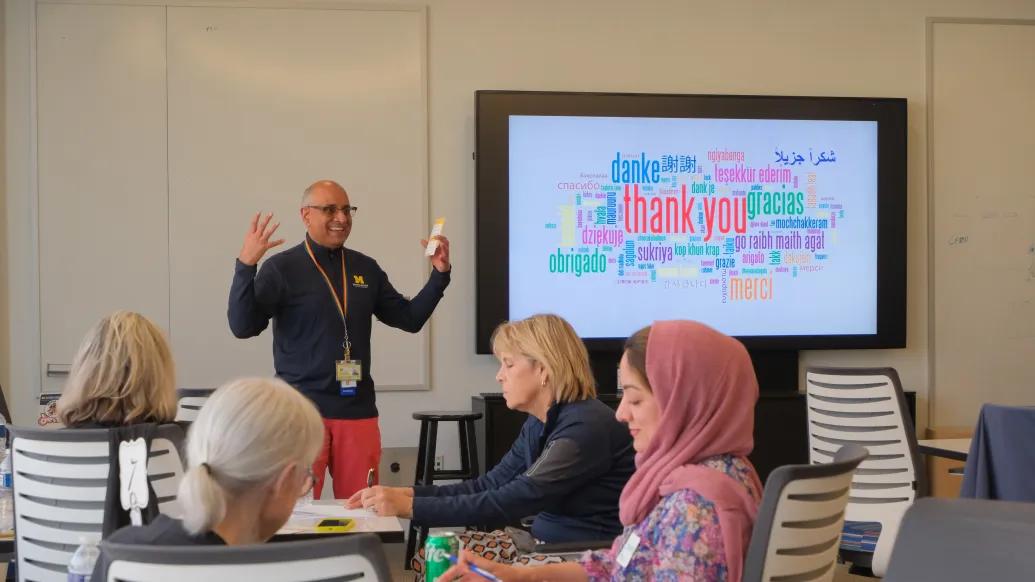
Earlier this spring, educators, researchers, staff, and learners from across Michigan Medicine came together for Visioning for Change: Imagining Your Future in Education, a collaborative workshop co-hosted by RISE (Research. Innovation. Scholarship. Education.) and the Academy of Medical Educators. The workshop created an environment where participants could explore their personal and professional roles in shaping the future of health science education.
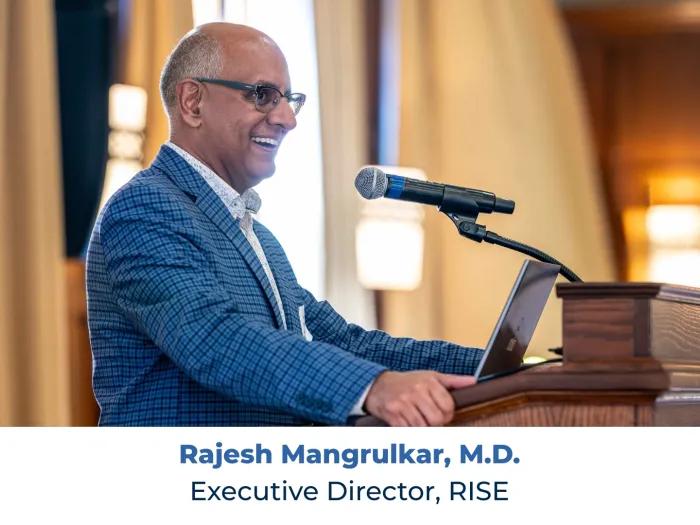
Facilitated by Drs. Rajesh Mangrulkar and Meg Wolff, the workshop guided attendees through a series of structured activities that surfaced participants’ values, goals, and visions. Attendees began with a “hot pen” exercise, which encourages individuals to write uninterrupted for minutes on end, allowing their thoughts to flow freely. By emphasizing individual purpose within a broader educational mission, the session offered both structure and encouragement for those working to improve the learning experience in health care settings. Participants were invited to think deeply about their evolving contributions across the broad spectrum of medical education, including teaching, mentoring, conducting research, or supporting education through operations or policy.
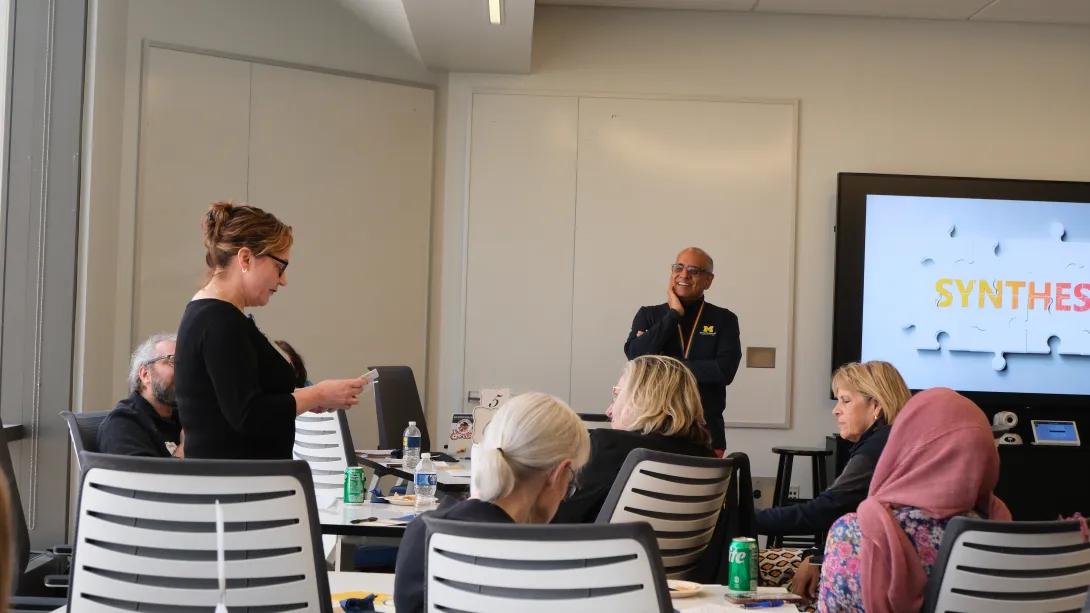
Dr. Deborah Rooney, Professor of Learning Health Sciences and Director of Education and Research for the Michigan Medicine Clinical Simulation Center, found the workshop offered a rare and energizing opportunity. “The workshop was exceptionally well-led,” said Rooney. “It created the kind of environment where imagination felt not only welcome but essential. The visioning exercise was both freeing and practical. It gave me the space to step back from day-to-day responsibilities and clearly picture a future I am excited to work toward. In fact, my mission statement I created during the workshop is pinned in my office as a daily reminder. That kind of clarity is rare and incredibly valuable.”
The workshop reinforced the idea that meaningful innovation in education can emerge from all levels of the academic and clinical enterprise. Participants represented a wide range of roles and disciplines, which created space for cross-pollination of ideas and experiences.
Justin Yates, PhD, a Senior Research Area Specialist at the Weil Institute who focuses on barriers to care in rural populations, spoke to the sense of inclusion and possibility he felt. “The workshop helped me see how the work I do, both in research and in direct interactions with patients, can play a meaningful role in shaping health education,” he said. “It was empowering to recognize that contributing to the future of education doesn’t depend on a specific title, but on the impact we make through our perspectives and expertise.”
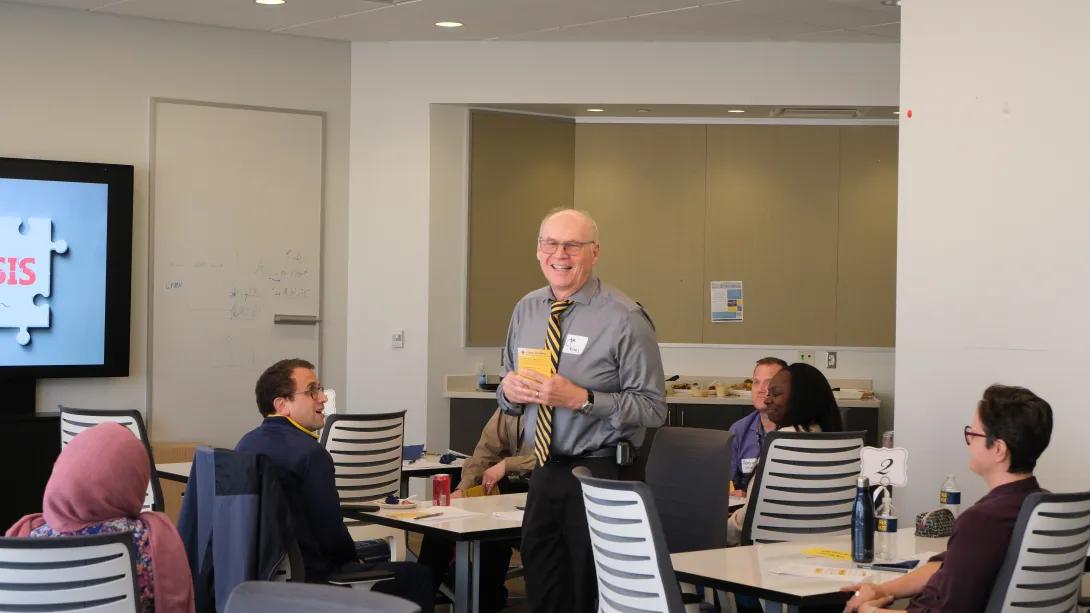
The next education engagement workshop is planned for Fall 2025. These workshops reflect a shared commitment from both RISE and the Academy of Medical Educators to cultivate innovation, reflection, and collaboration across Michigan Medicine.
Featured News & Stories

E-Bikes are everywhere, but most parents say they don’t know enough about them
From the Executive Director’s Desk: September 2026

Many parents face challenges getting kids to eat a healthy breakfast before school

More teens are using AI: What parents should know

Helping kids with ADHD thrive in school