
A Vision for the Future of Gastroenterology: A Conversation with ACG’s Incoming President, Dr. William D. Chey
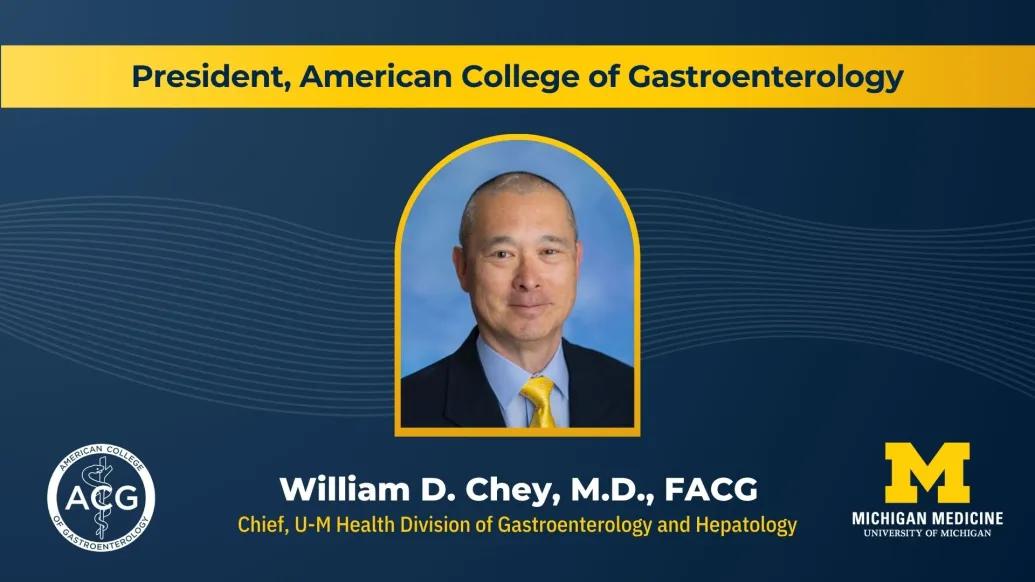
On Monday, October 27, during the American College of Gastroenterology (ACG) Annual Business Meeting, William D. Chey, MD, FACG, was formally introduced as the next president of the American College of Gastroenterology. A respected clinician, researcher, and innovator, Dr. Chey brings decades of experience and a multidisciplinary perspective to this leadership role. As he prepares to begin his term, Dr. Chey shared with us his vision for the College, reflections on his career, and insights into the evolving field of gastroenterology.
Looking Ahead: Priorities for the Presidential Term
Dr. Chey begins his presidency with a clear understanding of both the privilege and the briefness of the role.
"While it took many years to reach this position, the time I will spend as president will pass quickly," he reflects. "That’s why it’s important to be strategic and collaborative from day one."
Among his first initiatives will be to build on the work of Dr. Amy Oxentenko and the ACG Work Force Task Force. Additionally, he plans to launch two new task forces: one focused on medical education, and the other on medical innovation - areas that align with the ACG’s updated strategic priorities.
The ACG Education Task Force will conduct a comprehensive review of the College’s educational offerings, ensuring content meets the needs of a diverse membership; from trainees to seasoned clinicians, across rural and urban settings, including physicians, advanced practice providers, registered dietitians, and psychologists.
Simultaneously, the ACG Medical Innovation Task Force will explore how the College can more actively support and participate in innovation. This includes everything from device development to digital health solutions, particularly as artificial intelligence reshapes the landscape.
"We’re living in an unprecedented era for GI and hepatology," says Dr. Chey. "The innovation pipeline is rich with potential, but good ideas need more than inspiration - they need structure, mentorship, and strategic support."
To foster a long-term, transformative approach, Dr. Chey is also initiating quarterly strategic planning sessions with the ACG Executive Leadership Team. This shift toward longer-term thinking, beyond the traditional one-year presidential cycle, aims to encourage visionary projects with lasting impact.
Lessons from Past Leadership
Before ascending to the presidency, Dr. Chey served as co-Editor-in-Chief of The American Journal of Gastroenterology (AJG) from 2010 to 2016 - an experience he describes as a formative chapter in his leadership journey.
"Being co-EIC was both a turning point and highlight of my career," he shares. "It gave me a platform to lead, to learn, and to be accountable - not only for our successes but also for our missteps."
Alongside co-editor Dr. Paul Moayyedi, Dr. Chey helped reinvigorate AJG’s academic presence, increase its impact factor, and launch several enduring initiatives, including themed issues, podcasts, and new publications like Clinical & Translational Gastroenterology.
Unbeknownst to him at the time, this role also secured him a seat on the ACG Board of Trustees, paving the way for a deeper engagement with the College.
Leading the Way in DGBI
A pioneer in the field of Disorders of Gut-Brain Interaction (DGBI), Dr. Chey has helped elevate the status and understanding of conditions like irritable bowel syndrome (IBS) within clinical gastroenterology.
Through early adoption of dietary therapies, most notably the low FODMAP diet, and the creation of multidisciplinary programs at the University of Michigan, Dr. Chey has helped lead a shift in patient care.
"Today, IBS is no longer treated solely with medications," he notes. "We now recognize the critical roles of diet, stress management, and behavioral therapies."
Programs like ACG’s Functional Bowel Disorders (FBD) School, as well as continuing education courses like FOOD: The Main Course to Digestive Health, run by Dr. Chey, have played a crucial role in spreading these models of care, particularly to APPs and dietitians.
Looking forward, Dr. Chey is excited about the potential for integrated multidisciplinary care, neuromodulation, and eventually, biomarker-driven precision medicine to further transform the DGBI treatment landscape.
Innovation and the Academic Clinician
As chief of the Division of Gastroenterology & Hepatology at the University of Michigan, Dr. Chey has seen firsthand the growing pressures facing academic institutions.
"The tripartite mission - clinical care, research, and education - is under stress," he says. "Academic medical centers must diversify funding and embrace innovation to survive."
Strategic partnerships, private sector collaborations, and investment in medical innovation are critical. But equally important, he notes, is restoring creativity and joy to the job, especially as burnout threatens to erode morale across the profession.
A Legacy of Leadership: Inspired by Family
Dr. Chey's passion for GI and commitment to excellence are deeply personal. His father, Dr. William Y. Chey, was a renowned gastroenterologist, educator, and immigrant whose journey left a profound mark on his son.
“My father didn’t have the luxury of leaving anything to chance,” Dr. Chey says. “He taught me the value of hard work, purpose, and perseverance.”
That legacy continues to inform his leadership, his values, and his pride in America’s immigrant heritage.
Investing in Tomorrow’s Leaders
Dr. Chey is a strong proponent of leadership development - a belief shaped by his own experience in the ACG’s Emerging Leaders Program at Harvard Business School.
"It was transformative. I realized leadership isn’t about you - it’s about those you serve."
Today, the ACG Institute offers a robust suite of leadership programs, including the Emerging, Early Career, Advanced, and Clinical Research Leadership Programs. These initiatives, housed within the Leadership, Ethics, and Equity (LEE) Center, are helping shape the next generation of GI leaders.
A Tribute to Dr. Amy Oxentenko
Dr. Chey also took time to reflect on the leadership of outgoing ACG President, Dr. Amy Oxentenko.
"Amy exemplifies what leadership should be - thoughtful, disciplined, and inspiring. She brings a kind of 'heliotropic effect,' attracting people through positive energy and vision."
As he prepares to accept the Presidential Medal from her at ACG’s annual meeting, Dr. Chey is determined to follow her example - and finish his remarks on time.
A Final Word
"The ACG is my professional family. To be entrusted with leading it, even for a short time, is an incredible honor," Dr. Chey says in closing.
He offers thanks to past presidents, current leaders, and especially to the ACG staff whose behind-the-scenes efforts keep the College thriving.
“Together, we will continue to serve our members and our patients - through science, innovation, education, and compassion.”
In This Story
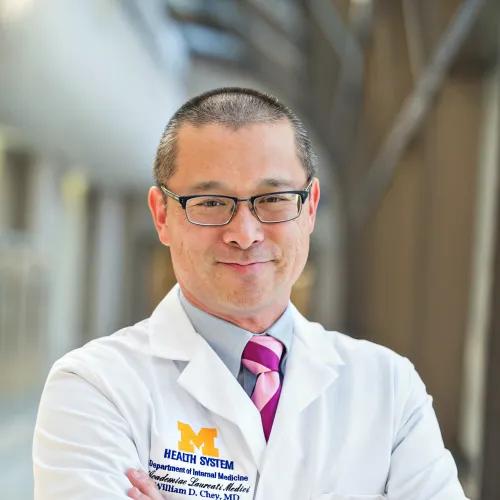
William D Chey, MD, MACG, AGAF, FACP, RFF
Professor
Featured News & Stories
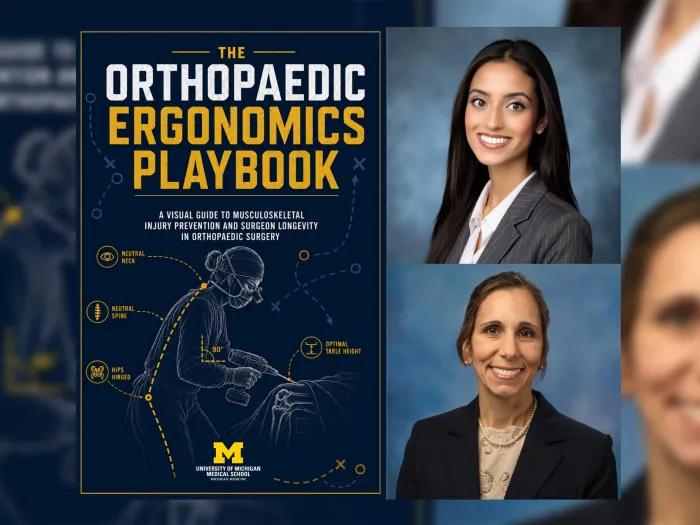
Playbook helps orthopaedic surgeons protect their most important instruments: themselves
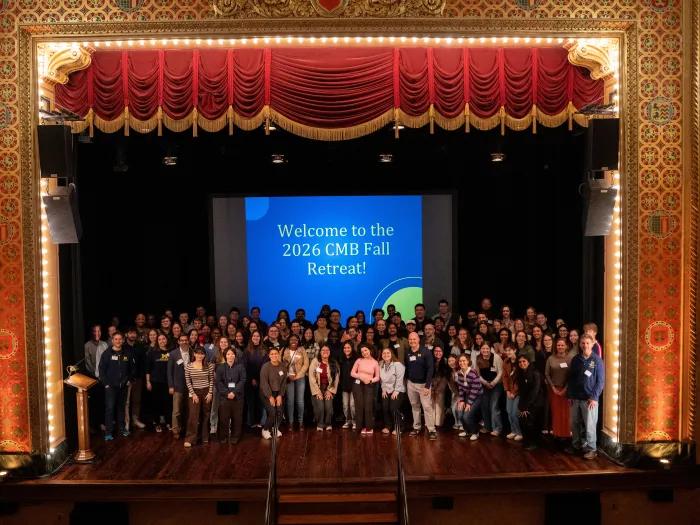
Cellular & Molecular Biology's fall of 2026 retreat brings faculty and students together
M&I 2026 Annual Report

Barriers to Lifesaving Care for Patients with CHD
A gift for Michigan’s most vulnerable babies

