U.S.-Israel Binational Science Foundation grant for pediatric brain tumor research awarded to co-principal investigators Castro and Friedman-Morbinski
Michigan Medicine and Tel Aviv University investigators will study strategies to improve CAR T-cell therapy for diffuse hemispheric gliomas.
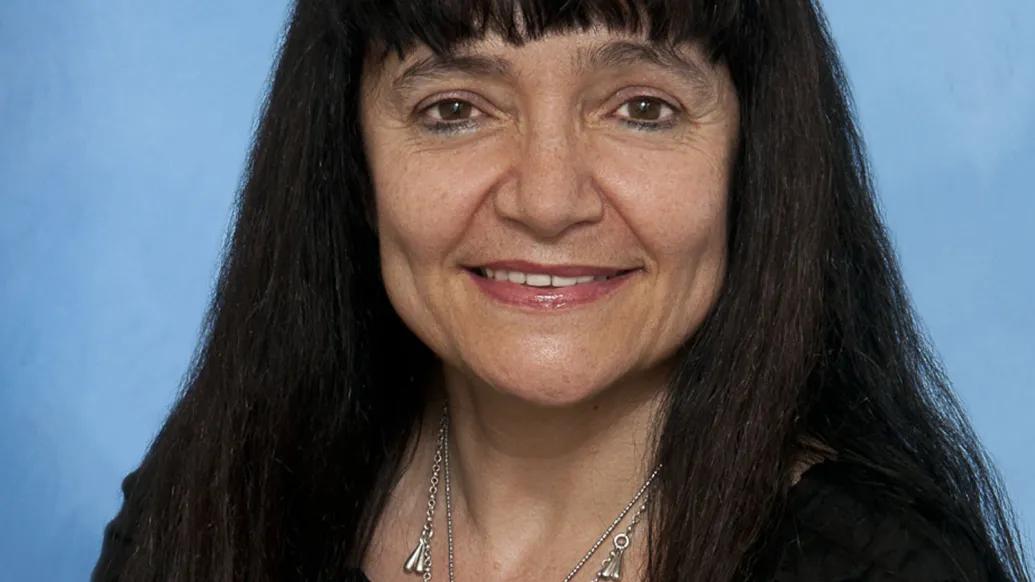
ANN ARBOR, Mich. — October 30, 2026 — Maria G. Castro, Ph.D., R. C. Schneider Collegiate Professor of Neurosurgery and Professor of Cell & Developmental Biology at the University of Michigan Medical School, has received a competitive research award from the U.S.-Israel Binational Science Foundation.
Castro will conduct the project in collaboration with co-principal investigator Dinorah Friedmann-Morvinski, Ph.D., Associate Professor in the Department of Biochemistry and Molecular Biology at the George S. Wise Faculty of Life Sciences and the Sagol School of Neuroscience at Tel Aviv University.
Their project, “Boosting the CAR T efficacy by modulating the microenvironment in diffuse hemispheric gliomas,” will investigate strategies for improving chimeric antigen receptor (CAR) T-cell therapy for aggressive pediatric brain tumors. The project is supported under Binational Science Foundation application 2021070.
Diffuse hemispheric gliomas are aggressive pediatric central nervous system tumors that remain difficult to treat. Although CAR T-cell therapy has transformed care for some blood cancers, its effectiveness against solid tumors remains limited by challenges that include an immunosuppressive tumor microenvironment, tumor heterogeneity and the scarcity of tumor antigens that can be targeted safely and consistently.
Castro and Friedmann-Morvinski hypothesize that localized immunosuppression contributes to T-cell exhaustion and tumor regrowth. Their study will test whether combining CAR T-cell therapy with treatments that reprogram the tumor microenvironment can improve therapeutic outcomes.
Using immunocompetent genetically engineered mouse models designed to closely reflect the genetic lesions encountered in human diffuse hemispheric gliomas, the research team will evaluate small-molecule inhibitors and CAR T cells mediated-immunotherapies. To this effect, the investigators will engineer dual CAR T cells that target both conventional and nonconventional tumor-associated antigens.
The team will characterize the tumor microenvironment, with a particular focus on gliomas carrying the H3.3-G34 mutation. “These findings will guide the development of precision-medicine based treatments intended to overcome immunosuppression, including approaches that target the STING signaling pathway.” – Castro said.
The researchers aim to establish an integrated treatment strategy that combines CAR T-cell therapy with tumor-microenvironment modulation. The work could deepen understanding of how the microenvironment affects tumor growth and immune evasion and help inform mutation-specific combination immunotherapies for children with these devastating brain cancers.
“CAR T cells have not yet delivered on their promise in the brain. Our hypothesis is that the immunosuppressive microenvironment exhausts T cells and allows tumors to regrow. By combining CAR T-cell therapy with strategies that reprogram that microenvironment, including targeting the STING pathway, we hope to develop effective treatments that offer children and their family’s new options.” Said Fridman-Morbinsky. We are very grateful to the Binational Science Foundation for supporting this collaboration between Michigan and Tel Aviv University.
The U.S.-Israel Binational Science Foundation supports collaborative research involving scientists from the United States and Israel.
In This Story

Maria Castro, PhD
Professor
Featured News & Stories

Catching Up With Jack

FDA clears new DMG treatment: What it means for a deadly pediatric brain tumor

Brain tumor and car crash survivor aspires to be example for others living with disabilities
Talent show brings joy to kids at children’s hospital
U-M alumni return from Central Asia to seek treatment for their child at Mott