U-M Awards Strategic Initiative Fund Grant to Diabetes Reprogramming Initiative Led by Dr. Ganesh Palapattu
Dr. Ganesh Palapattu, Professor and Chair of the Department of Urology at Michigan Medicine, has been selected to lead a groundbreaking new research effort as part of the University of Michigan's inaugural Strategic Initiative Fund (SIF) awards.
The initiative, Michigan Initiative to Reprogram Cells for Diabetes (MIRC-D), is one of 37 projects chosen to receive funding through the university's landmark $1 billion Strategic Initiative Fund, designed to support bold, interdisciplinary ideas with the potential to drive transformational change across the university and society.
MIRC-D aims to advance innovative approaches to diabetes treatment through cellular reprogramming. The initiative reflects the collaborative spirit of the Strategic Initiative Fund and the University of Michigan's commitment to tackling some of the most pressing health challenges facing patients today.
Dr. Palapattu's project is among 12 funded initiatives involving University of Michigan Medical School faculty as primary or secondary leaders. The selected projects span a wide range of fields, from artificial intelligence and biomedical engineering to immunology, pain management, health justice, and interprofessional education.
Please join us in congratulating Dr. Palapattu and his collaborators on this significant achievement. We look forward to the progress and discoveries that will emerge from the Michigan Initiative to Reprogram Cells for Diabetes.
In This Story

Ganesh S Palapattu, MD, FACS, FRCS(Glasg)
Professor
Related

Medical School well-represented among Strategic Initiative Fund’s first recipients
Featured News & Stories

Continuing the legacy of a doctor’s doctor
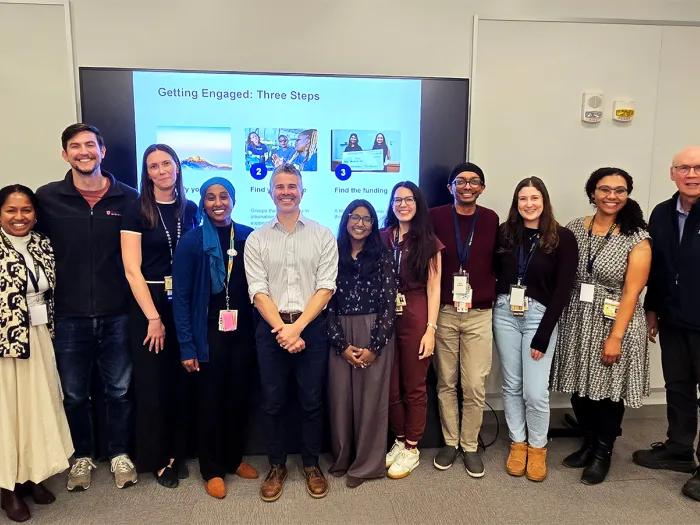
New Certificate in Global Health Program welcomes first cohort of residents, fellows
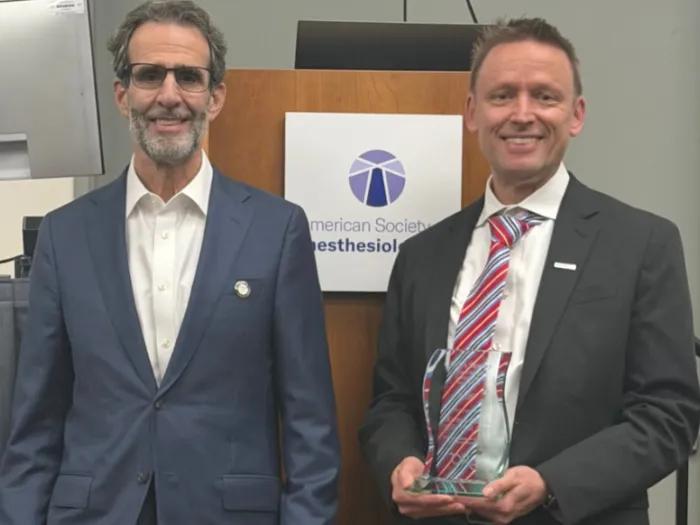
Karsten Bartels, MD, earns Gladys Sessler Outcomes Research Consortium Award

Into the Current: Dr. Nate Hunt Brings Specialized Water Rescue Expertise Back to Michigan Medicine
What Should We Actually Do With Daylight Saving Time?