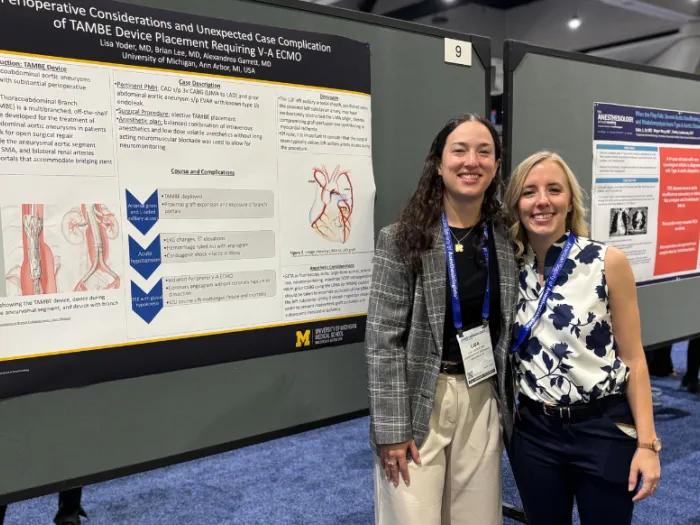
Twelve Anesthesiology faculty members earn promotions
The University of Michigan Regents approved 12 U-M Medical School Department of Anesthesiology faculty promotions during their May 2026 meeting. Promotions will go into effect September 1.
The following profiles were compiled from information submitted in promotion nomination packets.
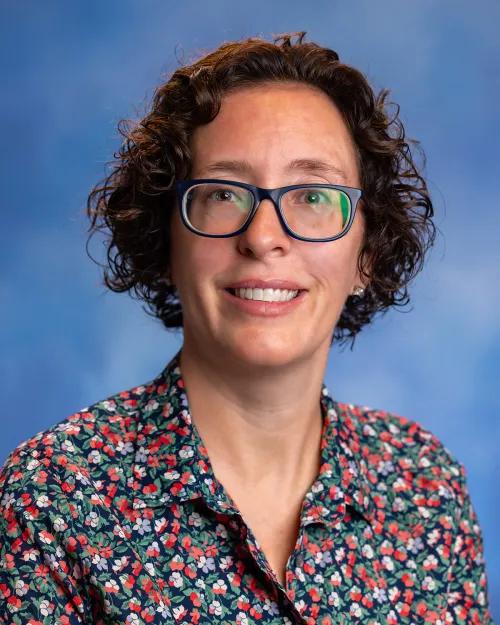
Anne Baetzel, MD
Promoted to Clinical Associate Professor of Anesthesiology
Anne Baetzel, MD, is a board-certified anesthesiologist who specializes in pediatric anesthesia. She also serves as a clinical director of the Mott Operating Rooms and is the liaison to pediatric surgery. Baetzel’s research includes the 2019 publication, “Adultification of Black Children in Pediatric Anesthesia,” which demonstrated significant racial disparities in pediatric anesthesia care. Following this study, she has been invited to share her expertise through numerous speaking engagements, including by the Society for Pediatric Anesthesia, the American Society of Anesthesiologists and the American College of Surgeons. Through these engagements, she helps disseminate findings that can help mitigate differences in the way clinicians treat patients because of their race or ethnicity rather than their healthcare needs.
Baetzel prioritizes education and training and is a frequent presenter at educational conferences, a mentor for learners as they prepare conference presentations and an instructor in the Managing Emergencies in Pediatric Anesthesia (MEPA) Simulation course. She also serves on numerous institutional committees focused on quality improvement, including the Patient Safety Committee, the Perioperative Quality Improvement Committee and the Program on Equity in Adolescent and Child Health. At the national level, she is a board member of Wake Up Safe, a pediatric anesthesia quality improvement initiative that has been certified by the Agency for Healthcare Research and Quality (AHRQ) as a Patient Safety Organization.
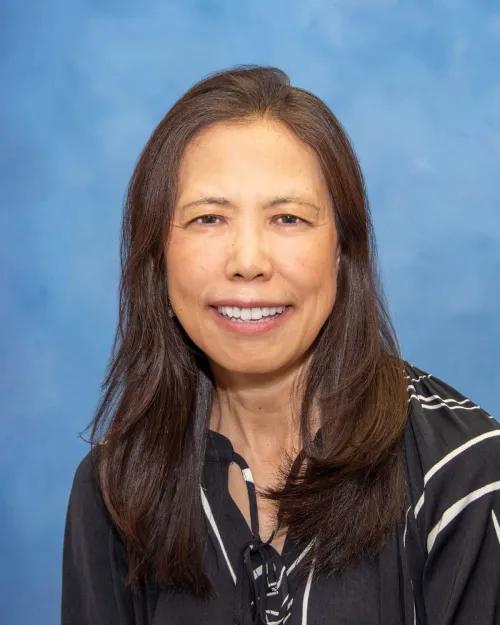
Wenyu Bai, MD
Promoted to Clinical Associate Professor of Anesthesiology
Wenyu Bai, MD, is board certified in anesthesiology and pediatric anesthesiology. She practices pediatric anesthesiology and pediatric cardiac anesthesiology, including providing care to adult patients with complex congenital cardiac disease. Bai’s work has made a major impact in difficult airway management in pediatric anesthesiology and in advancing safe, high-quality anesthetic care for children and adults with congenital heart disease. Her research has had an impact on multiple specialties (pediatric critical care, pediatric otolaryngology, pediatric anesthesiology), resulting in improved safety pediatric airway management. She is considered a national expert on difficult airway management in children with trisomy 18, a growing patient population encountered in a variety of pediatric specialties.
Bai is actively engaged in clinical teaching in the operating rooms and the Congenital Heart Center at C.S. Mott Children’s Hospital. She serves as a mentor to pediatric anesthesiology fellows and was instrumental in developing a Pediatric Cardiac Anesthesiology Fellowship at Michigan Medicine, for which she now serves as program director. Nationally, she serves as a section editor and reviewer for the Society for Pediatric Anesthesia Cardiac Case Guides — a newly developed electronic education resource for pediatric anesthesiologists — and is a member of the Congenital Cardiac Anesthesia Society’s Communications Committee, where she has written educational pieces on topics including safe, high-quality perioperative anesthetic care for children with congenital heart disease.
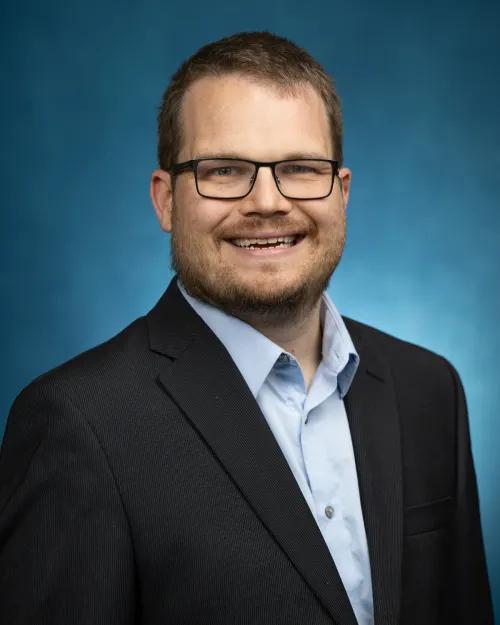
Douglas Colquhoun, MB ChB
Promoted to Associate Professor of Anesthesiology with Tenure
Douglas Colquhoun, MB ChB, is board certified in anesthesiology, critical care medicine and clinical informatics. His clinical role in the operating room involves the perioperative care of patients undergoing major inpatient surgery. His research has made a major impact on perioperative care through the secondary use of electronic health record (EHR) data. He has published broadly, with a particular interest in neuromuscular blockade and reversal and postoperative pulmonary complications. His work has deepened understanding of associations between processes of care and subsequent risk of postoperative pulmonary complications.
Colquhoun contributes to education and faculty development, including leading an institutional initiative to develop the leadership skills of clinical faculty in responding to critical clinical events. He serves as the associate research director for the Multicenter Perioperative Outcomes Group and director of the department’s Anesthesia Clinical Research Committee. He also is one of a small group of anesthesiologists nationally with certification in clinical informatics; his expertise is particularly demonstrated in the clinical trial space, where he serves as a study director with responsibilities for data acquisition and data quality management for three large, funded multicenter pragmatic randomized trials. Given his national reputation, Colquhoun has been invited to provide Grand Rounds presentations at multiple major institutions and conferences, has participated in multiple National Institutes of Health study sections, was selected as an editorial fellow for the British Journal of Anaesthesia and has been appointed to the associate editorial board of Anesthesiology, the leading peer-reviewed journal in perioperative care.
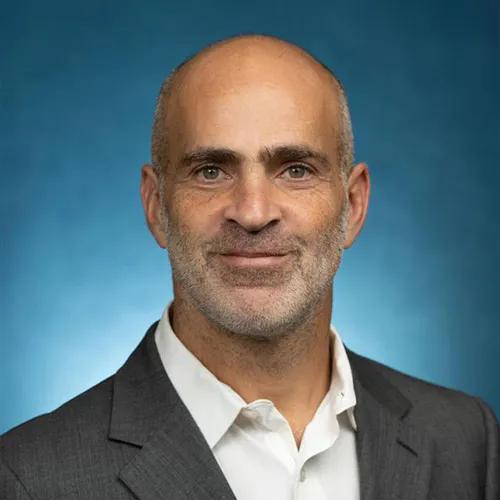
Kamran Diba, PhD
Promoted to Professor of Anesthesiology with Tenure
Kamran Diba, PhD, is a systems neuroscientist whose work focuses on memory formation and consolidation within the hippocampus. Utilizing innovative analytical techniques, such as hidden Markov models and Bayesian machine learning, his research has revealed temporal structures in neuronal ensemble firing patterns and hippocampal output patterns during waking and sleep. His lab’s studies have shown interactions between excitatory and inhibitory neurons at multiple timescales and demonstrated how the balance of excitatory and inhibitory forces can account for the complex network dynamics observed in the hippocampus. A focus of his work has been to underscore the importance of hippocampal reactivation and "replay" in memory consolidation processes, showing that they can last for up to 10 hours following novel experience. His subsequent investigations, published in Nature, revealed the detrimental impact of sleep deprivation on hippocampal function by diminishing these reactivations and replay patterns in both awake and sleep states. In another groundbreaking study, also published in Nature, his research illustrated how these activities during sleep prepare the brain for future experiences by stabilizing and retuning the hippocampal code for space. These contributions have not only deepened our understanding of memory processing but also pave the way for future therapeutic strategies to combat sleep loss and memory dysfunction.
Diba is a faculty member of the Neuroscience Graduate Program and has served the institution on numerous committees. He currently serves as co-chair of the Biological Rhythms Seminar Series. Nationally, he serves on two editorial boards and is a reviewer for multiple journals.
Neal Duggal, MD
Promoted to Clinical Associate Professor of Anesthesiology
Neal Duggal, MD, is board certified in anesthesiology, cardiac anesthesiology and advanced perioperative transesophageal echocardiography. His international collaborative research is focused on mechanical assisting support devices and transcatheter valvular interventions. This research has had a significant effect on understanding disease pathophysiology and has helped guide management strategies on transcatheter mitral and tricuspid valve interventions. He is co-investigator in numerous early feasibility and pivotal clinical trials in collaboration with the Division of Cardiology and Department of Cardiac Surgery. In addition, he is co-investigator on a Medtronic-sponsored grant assessing a transcatheter tricuspid valve replacement system for patients with severe tricuspid regurgitation and has co-authored a chapter in Sellke-Atlas of Cardiac Surgical Techniques on percutaneous/transcatheter mitral valve repair techniques. Through his expertise in clinical care and research, Duggal has gained national and international recognition, presenting at state, national, and international meetings regarding advanced intraoperative transesophageal imaging and transcatheter valvular therapies. Furthermore, he was awarded Fellow of the American Society of Echocardiography, a position held by only two other faculty members in the department.
Within Michigan Medicine, Duggal provides simulation-based education to trainees on point-of-care ultrasound, specifically relevant to transthoracic echocardiography. Administratively, he serves as the director of anesthesia for structural heart interventions and as a member of the Faculty Affairs Committee and Cardiovascular Center Anesthesia Patient Safety Committee. He is also a member of the international Tricuspid Valve Academic Research Consortium Steering Committee.
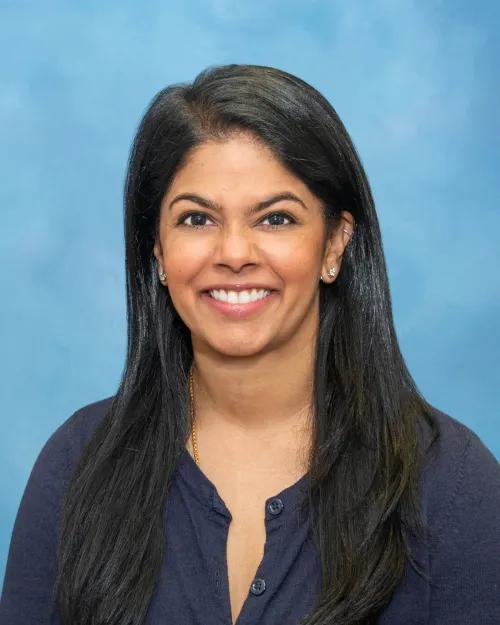
Anila Elliott, MD
Promoted to Clinical Associate Professor of Anesthesiology and Clinical Associate Professor of Surgery
Anila Elliott, MD, is U-M's first joint pediatric anesthesiologist and pediatric surgical intensivist. She is board certified in anesthesiology, critical care and pediatric anesthesiology. In her unique dual role, Elliott has significantly influenced interdisciplinary medical education, developing multidisciplinary lectures for pediatric surgical fellows and integrating her expertise in perioperative management. Additionally, she has given lectures to the Neonatology and Pediatric Intensive Care Unit divisions and continues to support the pediatric surgical ICU fellows to fulfill their educational requirements for pediatric anesthesia and airway management. Her contributions have resulted in publications, an invited talk at a national conference and a podcast interview on intra-hospital transport of critically ill patients.
Elliott also has had a significant impact on learners through mentorship, including her role as a scientific lead for medical students in the University of Michigan Patient Based Scientific Inquiry (PBSI) course. She has developed a comprehensive congenital cardiac anesthesia curriculum and innovative tools — such as visual abstracts — collaborates with pediatric cardiologists on their virtual reality curriculum to tailor it for anesthesiologists, has co-authored the chapters on pediatric anesthesia in the Cummings Otolaryngology and Pediatric Otolaryngology textbooks, and has served as an author and peer-reviewer through the Congenital Cardiac Anesthesia Society. Administratively, Elliott is the director of Root Cause Analysis Education and is on multiple department committees. Nationally, she serves on committees for the Society for Pediatric Anesthesia and the Congenital Cardiac Anesthesia Society.

Viviane Hambrecht-Wiedbusch, PhD
Promoted to Associate Research Scientist of Anesthesiology
Viviane Hambrecht-Wiedbusch, PhD, is a team scientist in the Department of Anesthesiology and the Center for Consciousness Science. Her work advances understanding of neural mechanisms relevant to sleep-wake states, recovery from general anesthesia, consciousness, pain and cognition. Understanding sleep and wakefulness, as well as pharmacologically induced altered states, is predicted to lead to advances in making anesthesia more "sleep-like," thereby reducing negative side effects. Addressing the relationship between sleep and pain, as well as the effect of sleep and anesthesia on cognition — especially in older adults — provides foundational work to enhance patients’ recovery and quality of life. Hambrecht-Wiedbusch currently is a co-investigator on a grant examining the role of the preoptic hypothalamus in sleep-dependent cognition after surgery and general anesthesia. She also is principal investigator on a submitted grant evaluating the role of sublaterodorsal tegmental nucleus glutamatergic neuron activity in REM sleep and narcolepsy.
Hambrecht-Wiedbusch contributes extensively to training and mentorship, supporting the career development of more than 70 students, staff and faculty members, many of whom pursued careers in medicine or research. She teaches laboratory research methods, including selecting essential experiments to address significant scientific questions and using the equipment required to conduct them.
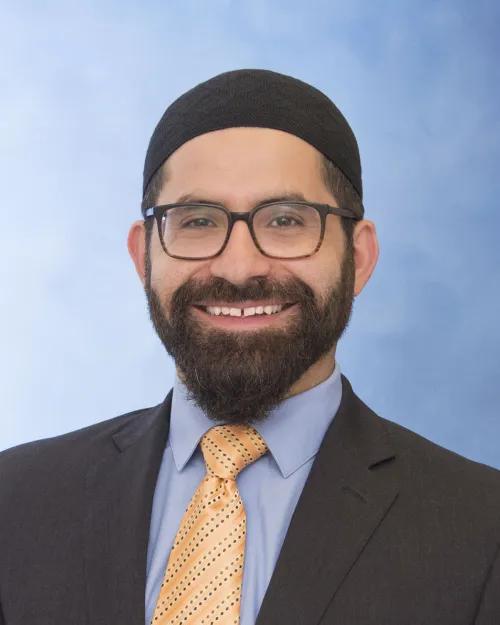
Bishr Haydar, MD
Promoted to Clinical Professor of Anesthesiology
Bishr Haydar, MD, is board certified in anesthesiology and pediatric anesthesiology and serves as a member of the Congenital Cardiac Anesthesiology team. In addition to providing care to pediatric patients, he provides care for adults with congenital heart disease and adults who have procedures at the children’s hospital. Haydar’s research has included a focus on improving knowledge in areas of limited prior study, including intra-hospital transport of anesthetized children. His work on transport-related complications found that 5% of all adverse events were associated with transport and identified specific risk factors and countermeasures. His participation in the Pediatric Difficult Airway Registry includes seminal works that have changed anesthesia practice surrounding airway management in children. The most notable work found that standard-blade videolaryngoscopy was superior to direct laryngoscopy for infant intubation procedures, which has subsequently become a standard practice in our field.
As a clinician educator, Haydar has focused on mentorship and daily teaching that includes extensive bedside teaching to a wide variety of learners. He has earned multiple departmental teaching awards, including the Clinical Teacher of the Year and Pediatric Teaching Faculty of the Month awards and the fellow-elected Teacher of the Year award. His colleagues also named him Clinical Colleague of the Year in 2013. Haydar has served on multiple committees within the department and institution as well as within national organizations, including the Society for Pediatric Anesthesia and Wake Up Safe, a pediatric patient safety organization.
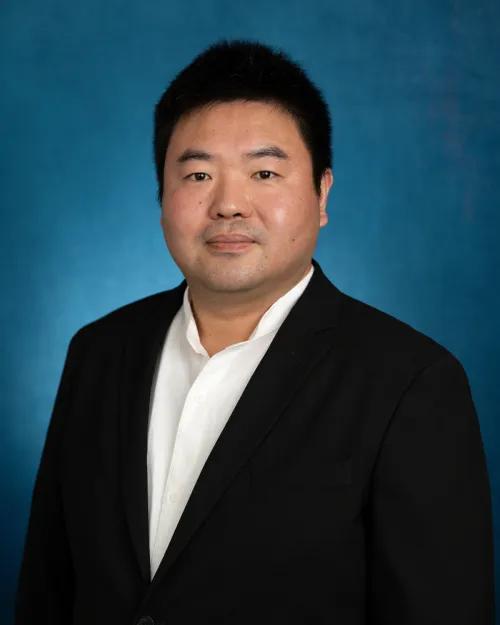
Zirui Huang, PhD
Promoted to Research Associate Professor of Anesthesiology
Zirui Huang, PhD, has significantly advanced the understanding of the neurobiological basis of consciousness through contributions across four interconnected areas. He clarified the role of temporal dynamics in conscious experience, including how propofol disrupts inter-regional information exchange by altering temporal receptive windows. He also mapped the spatial architecture of consciousness using a multiscale approach, identifying cortical gradients as neurofunctional dimensions associated with conscious states and delineating thalamocortical circuits that support conscious processing. In addition, he advanced a temporospatial framework that proposes key neural mechanisms underlying different aspects of conscious experience. Finally, he pioneered low-intensity focused ultrasound pulsation as a noninvasive neuromodulation approach to test causal mechanisms of consciousness, demonstrating its potential to modulate conscious perception and developing a protocol that combines functional MRI with focused ultrasound. As a co-PI on an NIH-funded R01, he has led studies linking brain dynamics to conscious experience and developed methodologies for probing consciousness.
Featured in Scientific American and The Scientist, Huang's work has earned international recognition through invited keynote lectures, plenary talks and editorial leadership. He is leading an open science initiative that has released a unique, publicly available human fMRI anesthesia dataset, likely among the first resources of its kind, fostering collaboration and accelerating discovery in consciousness research. In addition to his scholarly work, Huang’s teaching focuses on research mentorship; his mentees have earned first-author publications in leading journals, admission to MD-PhD programs and the Rackham Predoctoral Fellowship. He is currently the director of the University of Michigan Center for Consciousness Science and serves as an academic editor for two journals.
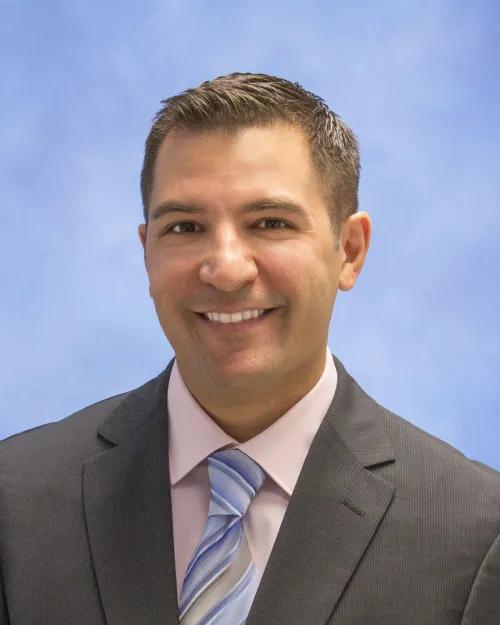
Michael Puglia II, MD, PhD
Promoted to Clinical Associate Professor of Anesthesiology
Michael Puglia II, MD, PhD, is board certified in anesthesiology and pediatric anesthesiology. He is an internationally recognized expert in pediatric neuroanesthesia and also served as the institution’s lead anesthesiologist for thoracopagus twin separation. Puglia’s research program has advanced understanding of pediatric neurobiology and perioperative care, impacting clinical practice and patient safety. His major impact is his contribution to novel data showing age-dependent changes in cortical connectivity and neurophysiologic complexity during general anesthesia. Additionally, his work has demonstrated that children exhibit unique brain activity patterns under anesthesia, emphasizing developmental differences and supporting the notion that children are not just “small adults.” His contribution to research on preoperative predictors of severe respiratory events following tonsillectomy has refined risk stratification, optimizing resource allocation aimed at reducing unnecessary PICU admissions.
Puglia is an established educator in pediatric anesthesia, and in 2025 was awarded Clinical Teacher of the Year. He acts to foster the next generation of clinician-scholars through mentorship and curriculum development. He also has authored authoritative textbook chapters and given national and international lectures. He served as director of neuroscience research in the Department of Anesthesiology and was a member of Michigan Medicine's Anesthesia Emergence Taskforce. He is also on the executive board of PALNET, an international, clinician-led collaborative with a mission to advance the safe, effective and practical use of EEG-guided anesthesia and other emerging technologies in children. Puglia also developed and implemented the Neonatal Bundle, a QI project aimed at improving the safety of high-risk infant cases.
Samuel Schechtman, MD
Promoted to Clinical Professor of Anesthesiology
Samuel Schechtman, MD, is a board-certified anesthesiologist who specializes in head and neck anesthesiology and advanced airway management. His research focuses on optimizing safe airway management practices across healthcare systems through the development and implementation of airway management algorithms with associated equipment and training standardizations. He has been a co-author on several review articles in both anesthesiology and otolaryngology literature relating to safe airway management and perioperative care of patients undergoing head and neck surgery during the COVID-19 pandemic. He also co-led institutional involvement in the Intubate COVID registry, which tracks exposures and outcomes among providers who intubated COVID-19 patients. He has authored several publications on anesthetic and airway management approaches for patients undergoing surgical treatment of head and neck pathologies, and the findings in these investigations have impacted the approach to the assessment and management of these patients to optimize outcomes.
Schechtman serves as the director of Head and Neck Anesthesiology and Airway Management within the institution and as a member of the institutional Cardiopulmonary Resuscitation Committee. He served as president of the Society for Head and Neck Anesthesia (SHANA), at which time they were a sponsoring society for the 2022 American Society of Anesthesiologists Practice Guidelines for Management of the Difficult Airway; he currently serves on the SHANA executive board. He is a devoted clinician educator and has earned numerous awards from medical students and residents in recognition of his teaching. He also was selected as the University Hospital Clinical Colleague of the Year in 2023 by his faculty colleagues.
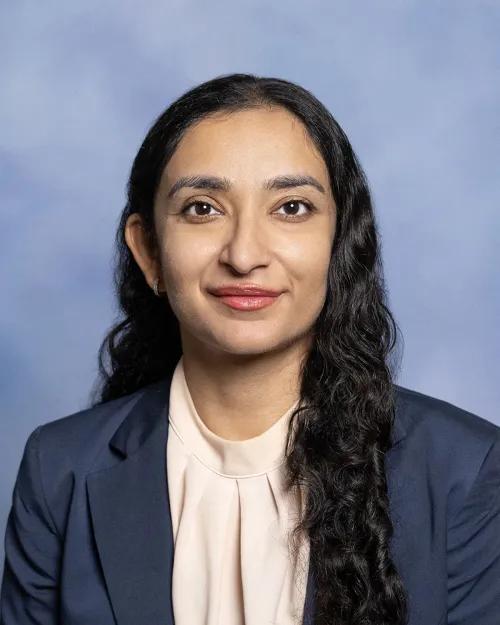
Shubhangi Singh, MBBS
Promoted to Clinical Associate Professor of Anesthesiology and Clinical Associate Professor of Obstetrics and Gynecology
Shubhangi Singh, MBBS, is a board-certified anesthesiologist dedicated to the care of high-risk obstetric cases and their anesthetic management. She also provides anesthesia at the adult hospital for a range of surgical specialties, including urology, general surgery, otolaryngology, orthopedics, neurosurgery and maxillofacial procedures. Additionally, she manages anesthesia for complex out-of-operating room interventions, such as endoscopic and interventional radiology procedures. Singh’s primary research has focused on placenta accreta spectrum (PAS), a high-risk obstetric condition that can lead to massive and life-threatening postpartum hemorrhage. Her other area of interest includes the use of general anesthesia in pregnant women. She has made a significant impact on the current understanding and management of high-risk obstetric conditions and the use of general anesthesia among pregnant women, which has contributed to improvements in maternity care and safety.
Singh currently serves as director of resident education for obstetric anesthesiology, developing the OB anesthesiology resident education curriculum while continuing to participate in regular aspects of resident education. She has developed instructional plans and simulation curricula for institutional and external courses, including the creation of a self-administered course with immersive 360-degree video for residents regarding the anesthetic management of emergent cesarean delivery.
Featured News & Stories
Paralyzed from waist down as a child, patient walks across stage at high school graduation
Intuition pushed mom to keep checking for breast cancer
Continuing the legacy of a doctor’s doctor
Human Rabies Exposures Growing Across the Country
New Certificate in Global Health Program welcomes first cohort of residents, fellows