The Truth About Treating Health Problems With Cannabis
Dr. Erin Bonar was interviewed for this Consumer Reports article
How Cannabis Might Help
Some patients tell Quinlan they use cannabis to help with pain, anxiety, and sleep—similar to the medical reasons mentioned in the Michigan poll. Of these, the evidence is strongest for treating chronic pain. There’s also substantial evidence that it may ease the nausea and vomiting associated with chemotherapy and may help control muscle spasms from multiple sclerosis, according to a 2017 report from the National Academies of Sciences, Engineering, and Medicine. And some evidence suggests that cannabis may provide some short-term help for people who have trouble sleeping due to obstructive sleep apnea, fibromyalgia, chronic pain, and MS.
But we still have much to learn about the right dosages, which vary from person to person and can change over time, as well as the efficacy of cannabis compared with other treatments, says Erin Bonar, PhD, a professor of psychiatry at Michigan Medicine at the University of Michigan in Ann Arbor. She’s one of the researchers associated with the poll.
The Risks of Cannabis Use
Some doctors say that cannabis is a safer way to manage chronic pain than powerful, potentially addictive opioid drugs. But about 21 percent of regular users develop cannabis use disorder. This can increase the likelihood of risky behaviors like driving while high, it can affect relationships, and it can increase tolerance for cannabis, which causes some people to use more and more.
And higher doses can elevate heart rate and increase blood pressure, Quinlan says, which may raise heart attack and stroke risks, especially in people who already have heart disease.
People who use cannabis for mental health problems like anxiety also need to be wary, Bonar says. In some cases, it might improve the condition short-term, she says. But some people then feel worse when not using it, which can escalate anxiety over time. And recent research suggests that it’s associated with a greater likelihood of mental health and substance abuse problems, as well as accidents and injuries. High dosages can also cause paranoia, and in rare cases can increase the risk of psychosis.
Before You Use Cannabis
Tell your doctor. According to the Michigan poll, 44 percent of monthly cannabis users said they had not discussed it with their healthcare providers. Your doc can tell you if medications you may be taking, such as blood thinners, statins, antihistamines, antidepressants, and medications with sedative effects, interact with cannabis. Your doctor may also be able to give you guidance on how to access medical cannabis—though it won’t be covered by Medicare or other insurance because it’s still illegal on the federal level—and help you monitor your use to see whether it’s helping or not. Avoid smoking and vaping. Using cannabis in these forms may cause health problems just like smoking or vaping tobacco, Quinlan says.
Be wary about THC content labels. Most research indicates they’re not reliable. So if you’re going to use cannabis, opt for the lowest possible dosage (which may be an edible with 5 mg of THC or less), especially if you haven’t used the substance before, Quinlan says. Plus, it’s now easy to find cannabis products with a strength of 20 to 30 percent. The average potency in the 1990s was around 4 percent, Bonar says.
Featured News & Stories
Human Rabies Exposures Growing Across the Country

Continuing the legacy of a doctor’s doctor

New Certificate in Global Health Program welcomes first cohort of residents, fellows
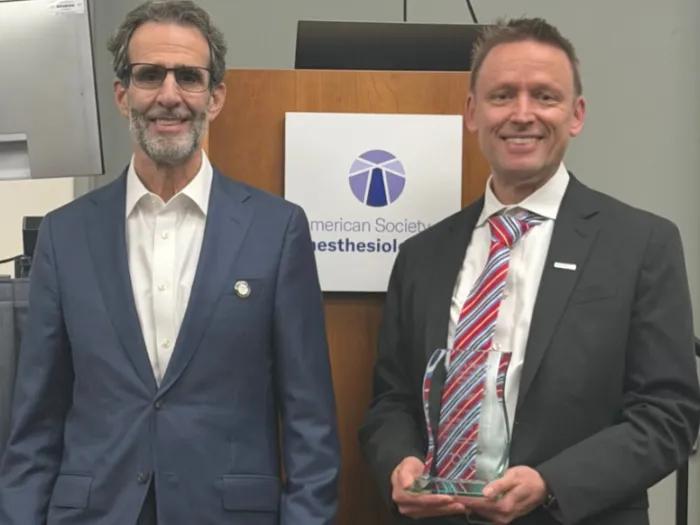
Karsten Bartels, MD, earns Gladys Sessler Outcomes Research Consortium Award