The surprising origin of 4 features that superglue kids — and adults — to screens - Dr. Jonathan Morrow was interviewed by NPR
Author |
Link to the original NPR story.
[...]
The final ingredient is perhaps the most important, says Jonathan D. Morrow, a neuroscientist and psychiatrist at the University of Michigan. It's all about how apps select content for you.
Here's how it typically works. First, the software uses AI to determine what you're hoping to find or see. "Even if you don't know what you want, the app knows. It's very good at figuring that out," Morrow says.
But then, he says, the app withholds that reward: "Apps don't give it to you. They give you something close to that, and then a few clicks later, the algorithm gives you something even closer."
They rarely — if ever — give you what you're looking for. "They give just enough to keep you engaged, keep you looking at the app and interacting with it as long as possible," he adds.
This teasing gives you the feeling that you're going to get what you're seeking soon. "So you'll be there all day trying to get that next big thing. There's always a possibility you'll finally get what you want," Morrow says.
[...]
In This Story

Jonathan D Morrow
Associate Professor
Related
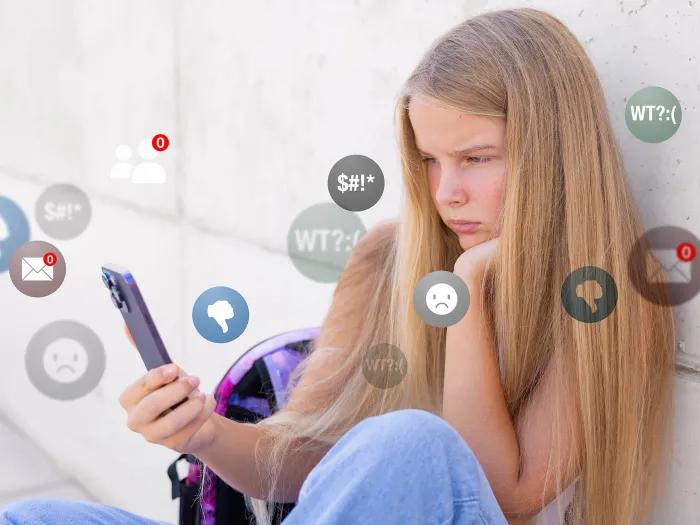
How to improve mental health safety on social media – not just for young people
Featured News & Stories

What’s changing in Medicaid and what can you do?
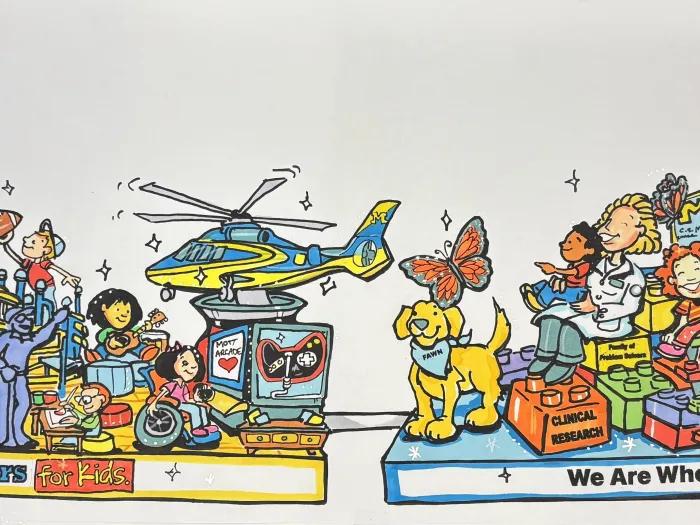
C.S. Mott Children’s Hospital and The Parade Company Unveil New Float Inspired by “Little Victors” to Debut in 100th America’s Thanksgiving Parade® presented by Gardner White
What Can a Blood Test Really Tell Us About Alzheimer’s Disease?
M&I 2026 Annual Report
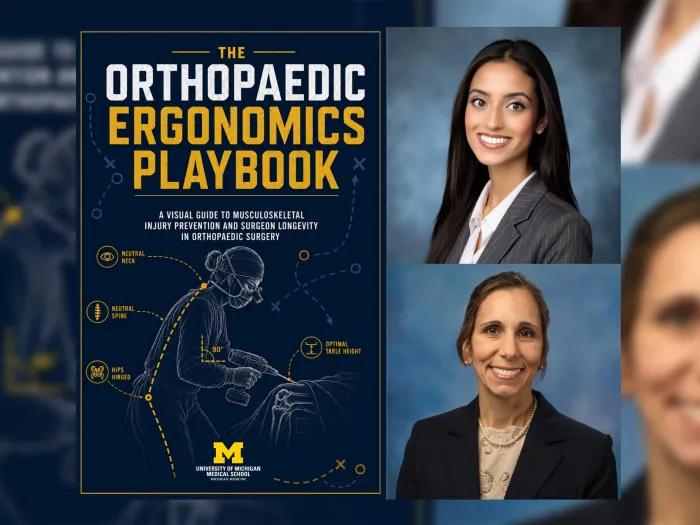
Playbook helps orthopaedic surgeons protect their most important instruments: themselves