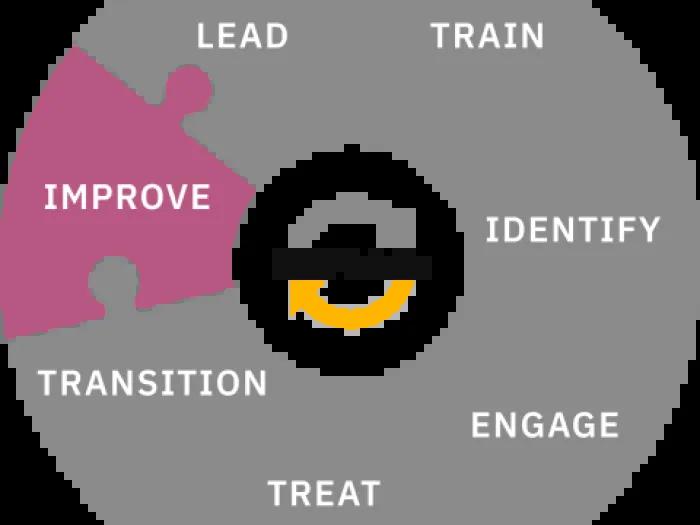
We are using a new newsletter format to improve accessibility and readability and better showcase the work of the Youth Suicide Prevention Initiative (YSPI) at C.S. Mott Children’s Hospital. Accessibility is essential for promoting engagement and ensuring everyone feels supported in suicide prevention efforts. This issue highlights the Train element of the Zero Suicide Framework, shares team resources, and features the monthly Pediatric Zero Suicide Engagement Forums for shared learning, discussion, and implementation strategies across pediatric care settings. It also includes free upcoming suicide prevention trainings to support continued learning and sharing best practices.
Learn More about the Zero Suicide Framework: TRAIN

Training is essential to suicide prevention because it ensures all staff are prepared to respond, engage, and support individuals at risk, with considerations for universal skills, targeted training for those working with high-risk populations, and the differing needs of clinical vs. non-clinical roles.
Training may focus on specific evidence-based skills and interventions such as safety planning, lethal means counseling, and therapeutic approaches shown to reduce suicide risk over time; planning should reflect the roles on your team and can begin by assessing staff background, experience, and priorities.
Leaders can use high-quality, evidence-based trainings (some free, some fee-based) and should consider budget and sequencing, recognizing training is an ongoing process that requires periodic re-evaluation; the Zero Suicide Workforce Survey is one self-assessment tool to gauge knowledge and comfort with suicide risk and core Zero Suicide areas (screening, treatment, and care transitions) to tailor training.
The YSPI Team has compiled a training list with audience, length, format, and cost (Suicide Prevention Trainings and Resources - Google Sheets) and is expanding support for C.S. Mott teams through formal trainings (e.g., ASMR) for teams serving high-risk youth, development of universal training for all staff (impact of suicide, how to ask about suicidal thoughts, and strategies for clinical and non-clinical responders), translation of evidence-based practices like CALM and Safety Planning into clinical settings, and tailored sessions across C.S. Mott (screening/assessment, risk assessment, safety planning) for nurses, Child Life, social work, trainees, and physicians to build an empowered workforce for youth at risk and their families.
If you are interested in a suicide prevention focused training for your team, contact Syma Khan at [email protected].
Engagement Forums
Creating a well-trained, engaged workforce is a cornerstone of effective suicide prevention, and to support this the Youth Suicide Prevention Initiative (YSPI) hosts a monthly Pediatric Zero Suicide Engagement Forum to help implement the Zero Suicide Framework in pediatric healthcare settings by focusing on practical application and translating best practices into real-world clinical care.
Modeled after the University of New Mexico’s ECHO approach and grounded in the “all teach, all learn” philosophy, the forums promote collaboration and shared learning across disciplines, organizations, and inpatient and outpatient settings. Each session highlights a specific Zero Suicide Framework element, featuring experts from Michigan Medicine and across the state who share implementation strategies, lessons learned, and tools to support system-wide change. Continuing education credits are offered to reinforce the importance of ongoing learning and workforce development. Participants are encouraged to actively engage, share experiences, and learn from one another to build momentum for continued learning and improvement. The forums are designed for a broad audience that includes both clinical and non-clinical professionals.
We invite individuals and organizations across the State who are passionate about suicide prevention to join the monthly Forums, whether to learn, share their work, or connect with others committed to improving care for youth and families experiencing psychiatric crisis.
Recordings are available on the Zero Suicide Engagement Forum YouTube playlist. To stay connected and receive updates on upcoming sessions, we encourage you to join the YSPI Zero Suicide News and Updates Listserv.
Together, we can create system-wide change and create safer, more responsive care for youth and families!
May is Mental Health Month T-Shirts are now available!
Bloom Where You Are Planted - Purchase your 2026 Mental Health Month T-Shirt
Net proceeds from the sale of these shirts will support Michigan Medicine's Psychiatric Emergency Services.
Limited quantities of past designs are also available including our 2025 “Your Story; Isn’t Over” t-shirt. Wear yours to show support and help reduce mental health stigma!
Suicide Prevention Trainings and Events
YSPI April Pediatric Zero Suicide Engagement Forum: Imminent Suicide Risk Assessment: Risk Factors, Rating Scales, and Considerations in Youths
Date: Apr 23, 2026, Time: 01:00 PM in Eastern Time (US and Canada), Location: Virtual via Zoom
When Kids Struggle: What Grown Ups Can Do To Help
Date: Thursday, May 21, 2026; Time: 7:00 PM in Eastern Time (US and Canada); Location: Virtual via Zoom
Adolescent Health Initiative - 2026 Connection Session, Recognize, Connect, Support: Understanding Youth Suicide Prevention
Date: Friday, June 1, 2026; Time: 8:30 AM-12:30 PM; Location: In-person at the University of Michigan's North Campus Research Complex (2800 Plymouth Rd Building 18, Ann Arbor, MI 48109).
The Center for Suicide Research and Prevention: Webinar 5: After the Aftermath: Grief Support for Suicide Loss
Date & Time: Jun 17, 2026 12:00 PM in Eastern Time (US and Canada); Location: Virtual via Zoom
Related
Suicide prevention efforts underway at Michigan Medicine
Featured News & Stories
Youth Suicide Prevention Initiative Fall 2026 Newsletter
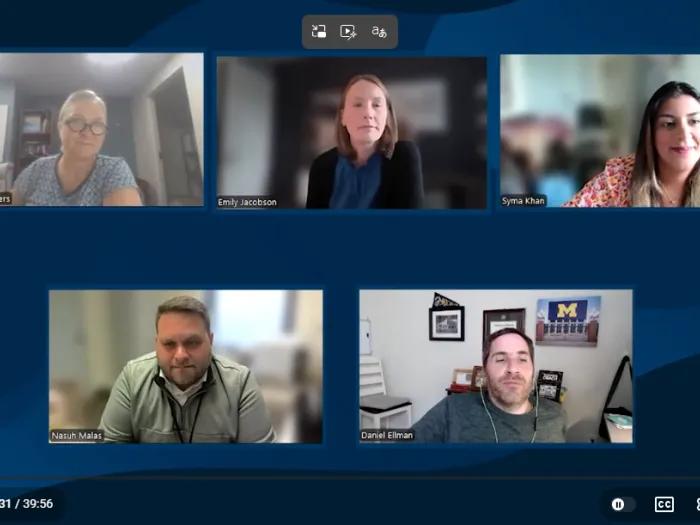
Youth Suicide Prevention Initiative at the forefront of vital mental health care

Stephan Taylor, M.D., quoted in Ars Technica story, "Man told ChatGPT he was feeling delusional. ChatGPT insisted he was Jesus"

Family-focused mental health fair a wellness resource for the A2SF community

Are 988 and other mental health crisis lines missing people over 50?