Revolutionizing Child Neurology Residency Training: A Data-Driven Approach to Personalized Education
Author |
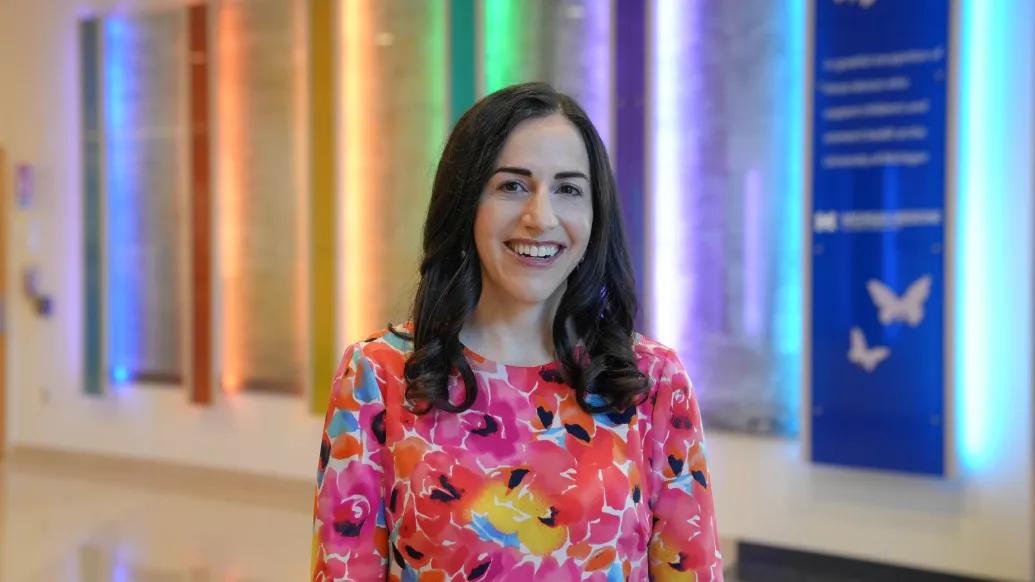
In an era where precision and adaptability are key to healthcare, Dr. Rachel Gottlieb-Smith, child neurology residency program director at the University of Michigan, is addressing gaps in clinical exposure for child neurology residents to improve their clinical skills. Her innovative system has the potential to reshape how residency programs nationwide train future neurologists, ensuring that every graduate is fully prepared to provide optimal care.
A Vision for Targeted Learning
Dr. Gottlieb-Smith has a simple yet powerful vision: to ensure residents receive comprehensive exposure to all areas of child neurology throughout their training. Traditional methods of tracking residency development, such as exams and subjective evaluations, often miss specific areas where a resident may lack exposure. Dr. Gottlieb-Smith saw an opportunity to bridge this gap by using data to map clinical interactions to educational content areas established by the American Board of Psychiatry and Neurology (ABPN).
“We wanted to understand where our residents were getting the most exposure, and where they might need more,” Dr. Gottlieb-Smith explains. “Instead of waiting until after residency to identify these gaps, we can intervene during training, ensuring our residents are ready to handle a wide range of cases.”
The Power of Collaboration
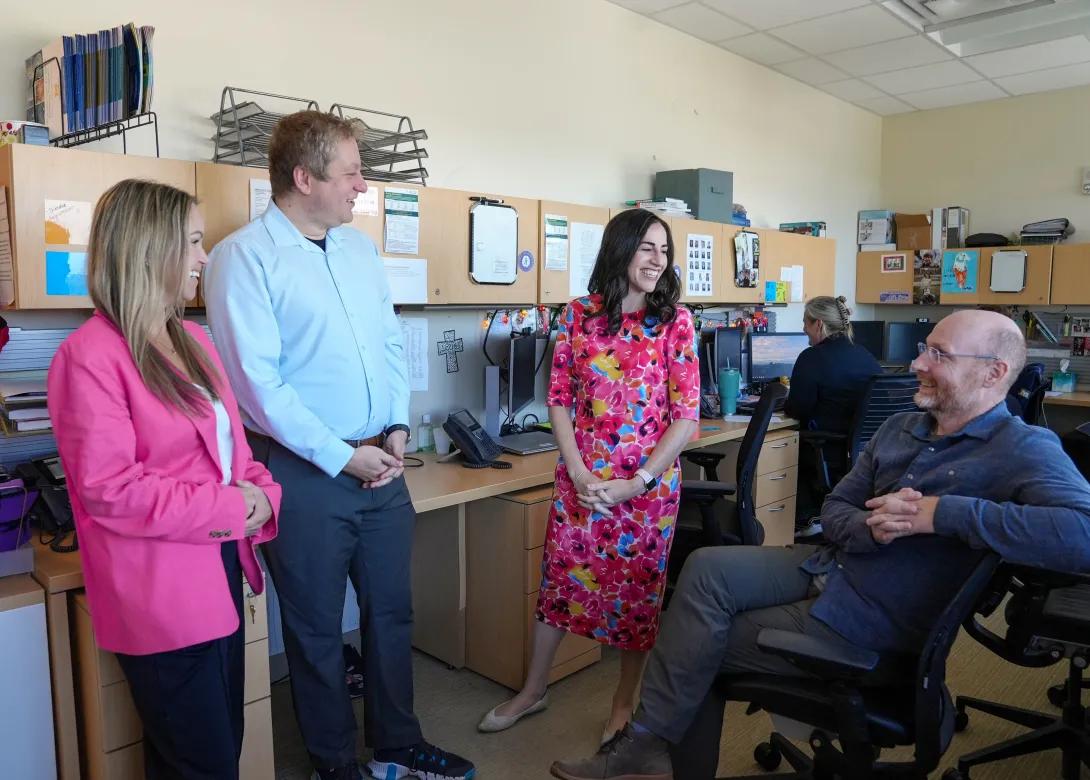
While the focus of the project is on data-driven improvements to residency education, Dr. Gottlieb-Smith credits the success of the project to the collaborative environment she encountered during her time in the RISE (Research. Innovation. Scholarship. Education.) Innovator Development Program.
“RISE has been transformative in providing the resources, time, and connections necessary to push this innovation forward,” Dr. Gottlieb-Smith shares. “It’s not just about the funding; it’s about the community of innovators who are all working to change how we train future healthcare professionals. “Discussions with other innovators in the program were extremely helpful as we learned from each other, sharing ideas and advice on how to overcome common roadblocks. ”
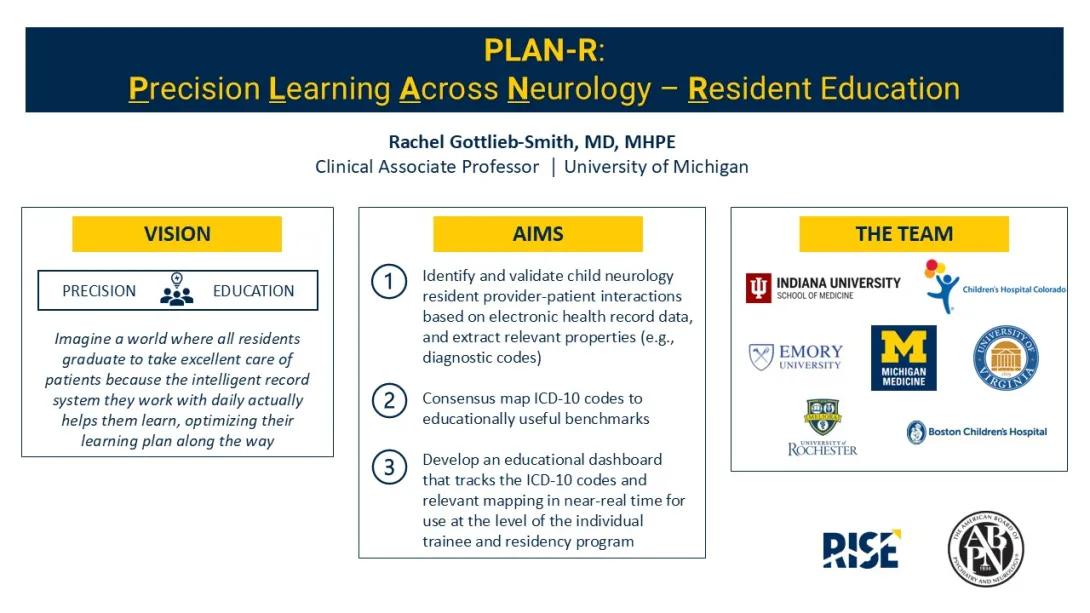
This initiative is already attracting national attention, with Dr. Gottlieb-Smith recently receiving a grant from the American Board of Psychiatry and Neurology (ABPN) to expand the project to four additional residency programs at Boston Children’s Hospital, University of Rochester, University of Virginia, and Children's Hospital Colorado.
Looking Ahead: The Future of Residency Training
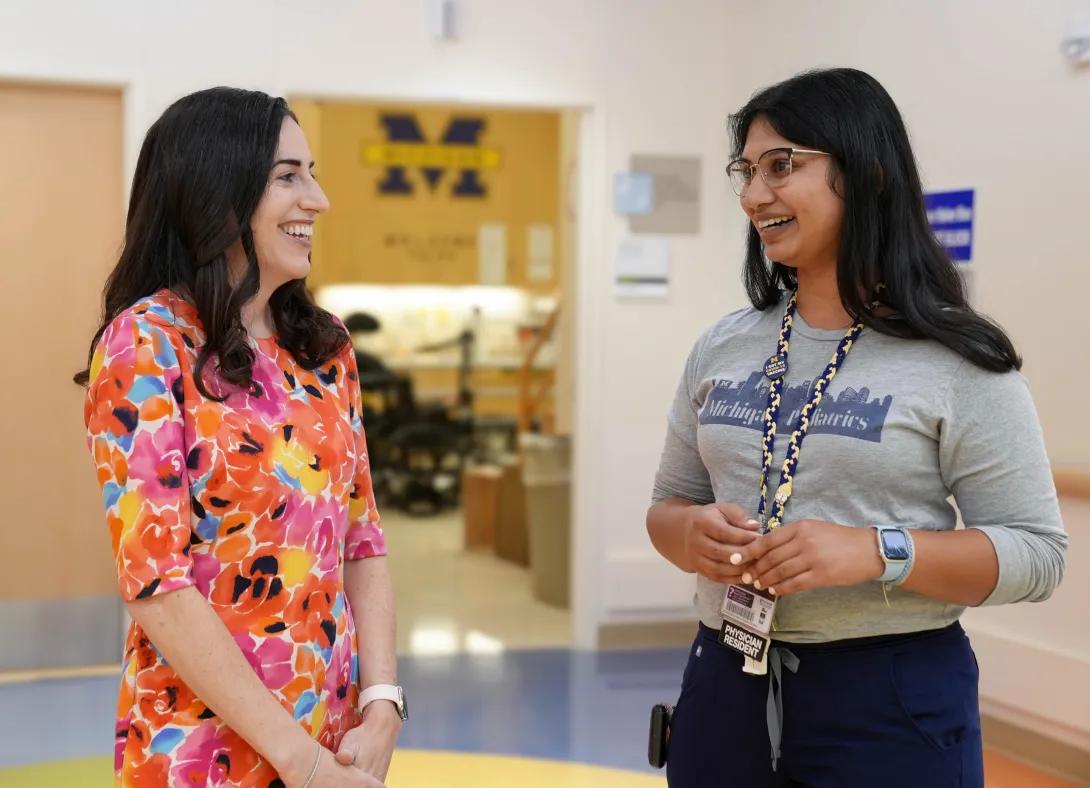
“The beauty of this system is that it’s scalable,” she notes. “While we’re starting with child neurology, this data-driven approach can be adapted for other specialties like internal medicine, pediatrics, and beyond.” Dr. Gottlieb-Smith explains. By combining cutting-edge data analytics with a commitment to educational excellence, she is ensuring that neurologists, and perhaps residents from other specialties, are prepared to meet the challenges of the future healthcare environment.
In This Story
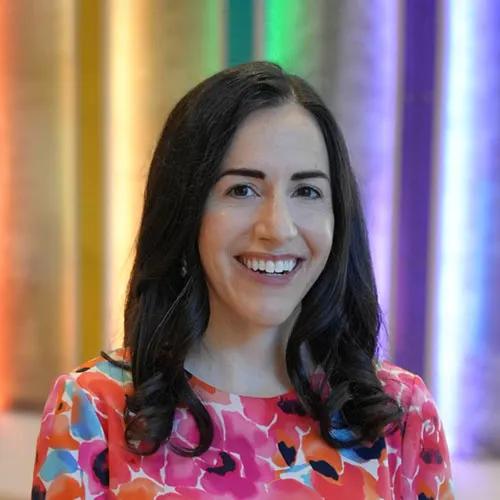
Rachel Gottlieb-Smith, MD, MHPE, FAAN, FAAP, FCNS
Clinical Associate Professor
Featured News & Stories
Depression in OBGYN residents needs more attention, study suggests
A pediatric epilepsy fundraiser that changes lives
Teaching Ultrasound at the Bedside
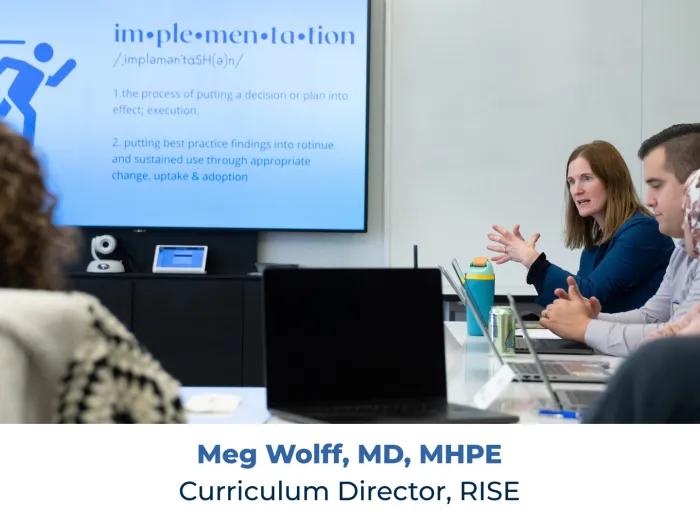
Hear From the RISE Curriculum Director: October 2026

Reading as an Empathy and Community Practice: Building a Medical Student Book Club