Renowned Geneticist Dr. Thomas D. Gelehrter Passes Away
It is with great sadness that we share the passing of Thomas D. Gelehrter, MD, Professor Emeritus of Human Genetics and Internal Medicine, and former Chair of the Department of Human Genetics.
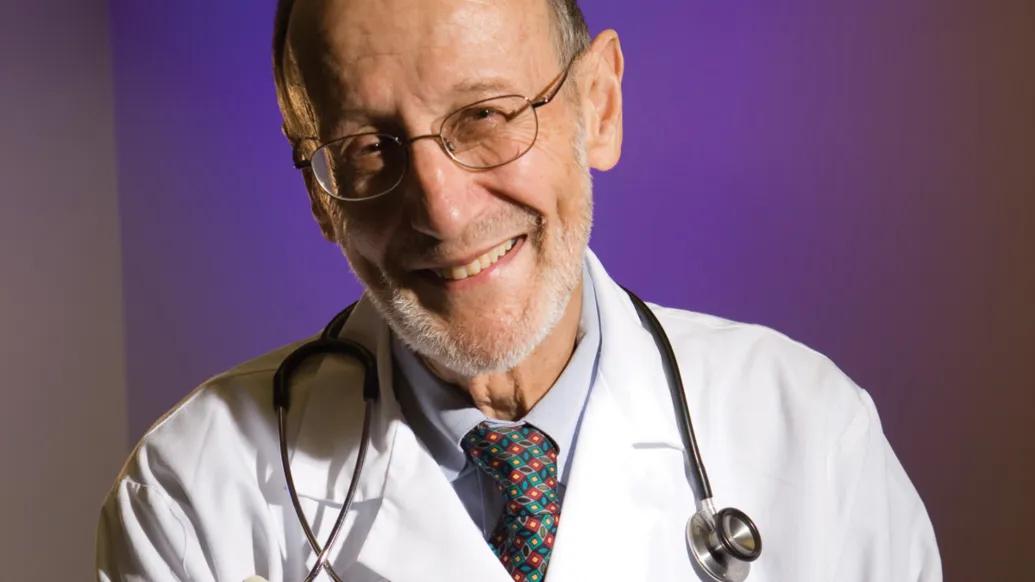
Thomas D. Gelehrter, MD, leaves an enduring legacy as a physician-scientist, educator, mentor, and leader of DHG whose influence shaped generations of trainees and faculty at the University of Michigan and far beyond. Born in Czechoslovakia, Tom immigrated with his family to the United States in 1939 after the Nazi occupation forced them to flee Europe. His early exposure to medicine through his father, combined with summers studying genetics at the Jackson Laboratory in Bar Harbour, Maine, helped define the course of a remarkable career devoted to human genetics research, education, and patient care. Tom earned his undergraduate degree from Oberlin College in 1957, completed graduate studies at Oxford University as a Rhodes Scholar, and received his MD from Harvard Medical School in 1963. He then trained in internal medicine at Mass General Hospital and completed a fellowship in medical genetics at the University of Washington.
Tom’s scientific career was distinguished by decades of continuously funded and highly influential research focused on the hormonal regulation of gene expression and fibrinolysis. After his formal training, he joined the faculty at Yale in 1970 and came to UM in 1974 after being recruited by Dr. James V. Neel, the founding Chair of DHG and Dr. William N. Kelley, the Chair of Internal Medicine. At Michigan, Tom established an internationally recognized research program that made foundational contributions to understanding plasminogen activator inhibitor biology, including the cloning and characterization of PAI-1and defining the mechanisms of transcriptional and post-transcriptional gene regulation. His work was continuously supported—for more than three decades—by the NIH and was recognized with numerous honors including a MERIT Award from the National Cancer Institute and a Faculty Research Award from the American Cancer Society. Beyond his own discoveries, Tom played an important role in shaping the global genetics community through service on national committees, advisory groups, and professional organizations, including the American Society of Human Genetics and the NIH Recombinant DNA Advisory Committee. Clinically, Tom’s enthusiasm led to the continued growth of one of the first Adult Medical Genetics Clinics. He served as the inaugural Division Chief for what is now the Division of Genetic Medicine in the Department of Internal Medicine. Tom cared for patients in the Adult Medical Genetics Clinic for an impressive 42 years (1974-2016). He was highly regarded by his patients for his expertise and compassionate care.
Equally important to Tom was his commitment to, and passion for, education. He was reportedly among the most gifted and beloved teachers at the Medical School, combining extraordinary clarity, rigor, humor, and humanity in both the classroom and the clinic. He directed the medical genetics course and the “Patients & Populations” sequence for first-year medical students, consistently earning exceptional evaluations and admiration from generations of trainees. Recognizing the need for a modern educational framework that integrated molecular biology with clinical genetics, Tom collaborated with Dr. Francis Collins and Dr. David Ginsburg to write Principles of Medical Genetics, a landmark textbook that became widely adopted internationally and was translated into at least six languages. His contributions to medical genetics education were recognized with many honors, including the Kaiser-Permanente Award for Excellence in Preclinical Teaching, the University of Michigan Lifetime Achievement Award in Medical Education, and the ASHG Award for Excellence in Human Genetics Education (previously called the “Arno Motulsky-Barton Childs Award for Excellence in Human Genetics Education”).
As Chair of the Department of Human Genetics from 1987 to 2004, Tom led DHG through a transformative period of growth and national recognition, including a dramatic diversification of the department’s research programs. During this time, as the human genome was being mapped and sequenced, Tom recruited faculty members studying a range of timely questions in human genetics including the genetic underpinnings of human disease and the basic structure and function of the human genome. Under his leadership, the department also expanded and diversified DHG’s educational mission, including growth of the graduate programs and modernization of the curriculum. Tom had a remarkable ability to identify talent, support young investigators, and foster a collegial and intellectually vibrant environment. He described faculty recruitment and mentorship as among the most rewarding aspects of academic leadership, and faculty members across multiple generations credit Tom with shaping their careers and helping create the collaborative culture that continues to define DHG today. Tom remained an active and engaged member of our departmental community long after becoming emeritus, and many of us will remember Tom for his advice, which he was always generous with; for being quick to complement, which was always well-timed; and for his sense of humor, which was always delivered with a twinkle in his eye!
On a personal level, Tom was devoted to his family and spoke with deep affection about his wife Barbara, their more than six decades together, and their children Eric and Sarah. We look forward to gathering with all of you and with Tom’s family this Fall at the 15th Annual Thomas D. Gelehrter, MD Lectureship in Medical Genetics, where we will celebrate Tom and all of his accomplishments. Anyone wishing to send memories or condolences to Tom’s family can reach out to his daughter Dr. Sarah Gelehrter - [email protected].
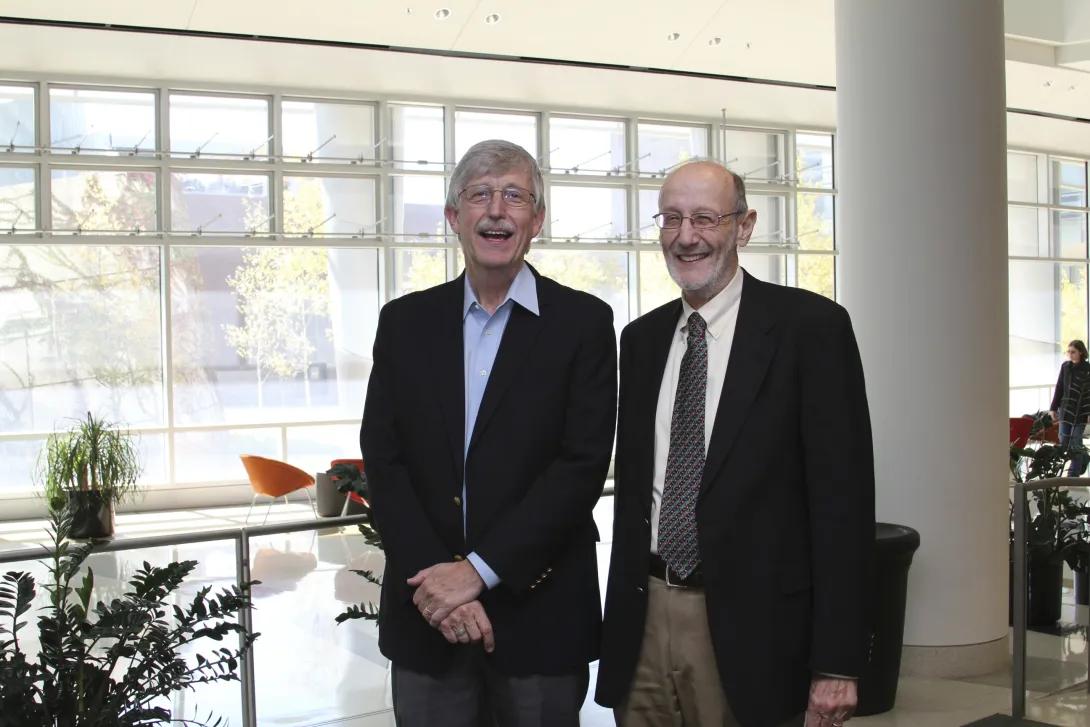
Tony Antonellis, PhD
James V. Neel Legacy Professor of Human Genetics
Chair, Department of Human Genetics
Timothy S. Blackwell, MD
John G Searle Professor of Internal Medicine
Chair, Department of Internal Medicine
Tobias Else, MD
Drew O’Donoghue Research Professor of Adrenal Cancer
Dept. of Internal Medicine
Chief Division of Genetic Medicine
Featured News & Stories
PCOS has a new name

Rabies is on the rise: Experts offer advice
AI, Well-Being and the Human Connection

From Uganda to Ecuador: A Journey of Adaptability
Engineered nanoparticles sensitize gliomas to radiotherapy