
PhD student Mason Myers receives a predoctoral fellowship from the National Institutes of Health
Mason Myers, a PhD student mentored by Dr. Yan Zhang, is the recipient of a Ruth L. Kirschstein National Research Service Award (NIH F31) for his project "Leveraging a 'sliding-window' Type I CRISPR base editing platform to correct CFTR null mutations." Congratulations Mason!
In This Story
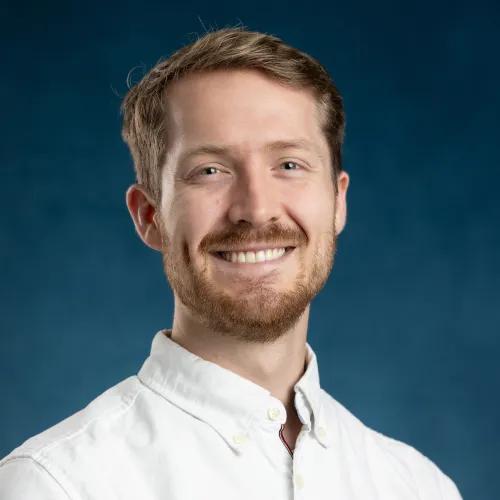
Mason Myers
PhD Student, Biological Chemistry | Yan Zhang Lab
Featured News & Stories
Health Lab
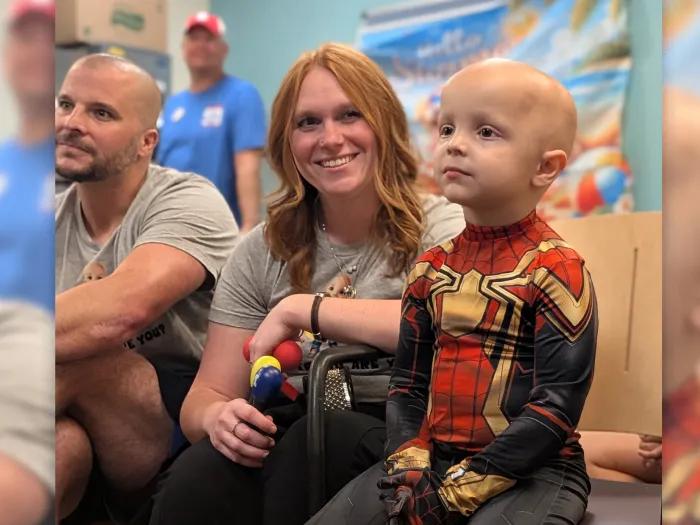
Talent show brings joy to kids at children’s hospital
A weekly talent show at University of Michigan Health C.S. Mott Children's Hospital helps pediatric cancer patients and families find support, healing and happiness through music, magic, and creative expression.
Health Lab
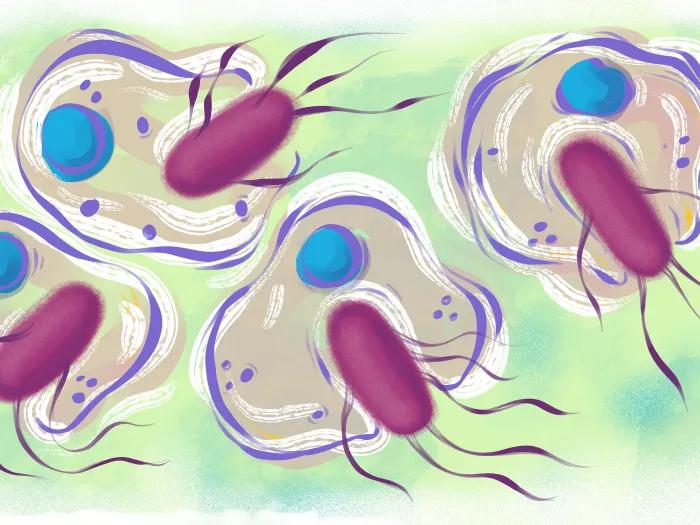
Uncovering cellular stress signal triggered by Salmonella
In a new paper published in Infection and Immunity, researchers from the O’Riordan lab looked for causes of stress for cells infected with Salmonella.
News Release
Max Wicha set to retire after 46 years
After 46 years of service, Max S. Wicha, MD, founding director of the University of Michigan Rogel Cancer Center, will retire from the University of Michigan and move to emeritus status.

Department News
Monica Starkman, M.D., contributes two new articles to Psychology Today's On Call
Dr. Monica Starkman publishes two new articles about postpartum depression and postpartum psychosis in the Psychology Today's On Call
Department News
Please welcome new postdoc, Dr. Nicole Desmet!
Please welcome new postdoc, Dr. Nicole Desmet!
Health Lab
Psychedelics and anesthetics create mirror image patterns in the brain
A new study takes a data driven approach and reveals that psychedelics and anesthetics create “mirror image” patterns of large-scale brain organization, with opposite network features.
