New initiative aims to bridge gap between emergency room and long-term treatment for opioid addiction
U-M's OPEN receives $1.5M state grant to expand opioid use disorder treatment access in rural Michigan
While opioid overdose deaths across Michigan have decreased in recent years, opioid use disorder — or opioid addiction — remains a significant public health challenge, with rural communities often facing added barriers to treatment.
A new University of Michigan-led program aims to help rural communities improve access to evidence-based treatment for opioid use disorder and create smoother transitions from emergency care to long-term support.
The Michigan Department of Health and Human Services Rural Health Transformation Program has awarded the University of Michigan’s Overdose Prevention Engagement Network, known as OPEN, a $1.5 million, 14-month grant to launch the Rural Medications for Opioid Use Disorder Link Initiative.
The initiative will focus on increasing access to medications for opioid use disorder, or MOUD, in emergency departments and building reliable pathways to outpatient treatment after patients leave the hospital. The program will prioritize rural areas across the state with elevated overdose-related emergency care and limited access to MOUD and behavioral health services.
Medications such as buprenorphine can reduce the risk of overdose death and support recovery from opioid use disorder. Emergency departments can play a critical role in starting treatment, but many patients face barriers to continuing care after they leave the hospital.
The Rural MOUD Link Initiative is designed to close that gap.
“There has been a lot of effort to train ER physicians to provide treatment for opioid use disorder throughout Michigan. But where does that individual go long-term?” said Chad Brummett, OPEN executive clinical director and project lead.
“With this initiative, we’re working with practices within these communities to ensure that a person not only gets treatment in the ER, but that they transition successfully afterward for long-term care.”
Through this pilot, OPEN will partner with three rural emergency departments, three nearby outpatient practices, and local pharmacies to reduce repeat overdoses and opioid-related emergency department visits by:
Expanding access to evidence-based care, including increased buprenorphine prescribing in emergency departments
Creating strong referral and care coordination pathways that connect patients from emergency care to ongoing treatment for opioid use disorder
Supporting outpatient practices and pharmacies, so patients can continue treatment close to home
The project includes support from the Michigan Emergency Department Improvement Collaborative, or MEDIC, a collaborative quality initiative funded by Blue Cross Blue Shield of Michigan. OPEN will leverage MEDIC’s statewide network of more than 60emergency departments and existing infrastructure to launch, evaluate and grow the initiative.
“MEDIC was designed to help emergency departments across Michigan turn evidence into practice through data, shared learning and a statewide quality-improvement infrastructure,” said Keith Kocher, MD, MPH, medical director of MEDIC.
“For this project, that network gives us a practical way to support rural hospitals, identify what works in different communities, and spread successful care pathways so patients can move from emergency treatment to long-term recovery closer to home.”
The initiative also draws on expertise from U-M's Department of Family Medicine. Eliza Hutchinson, MD, and Chris Frank, MD, will lead the project’s technical assistance strategy for outpatient practices, helping participating sites build sustainable workflows for medication treatment, follow-up care and care coordination.
Together, the partners aim to create a model that can be adapted beyond the initial pilot sites.
“Rural communities are not all the same, and solutions cannot be one-size-fits-all,” Brummett said. “Our goal is to work alongside emergency departments, primary care practices and pharmacies to build pathways that fit local needs and help patients stay connected to care.”
In This Story
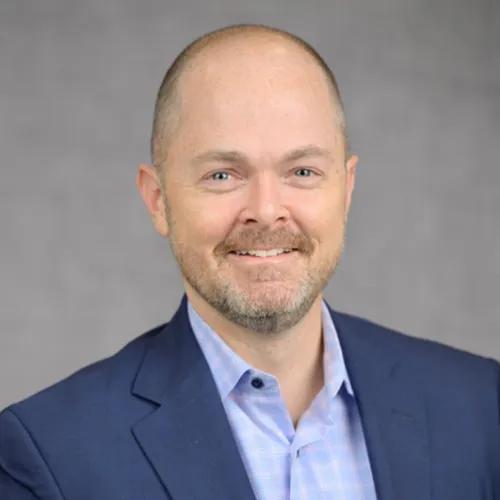
Chad M Brummett, MD
Professor
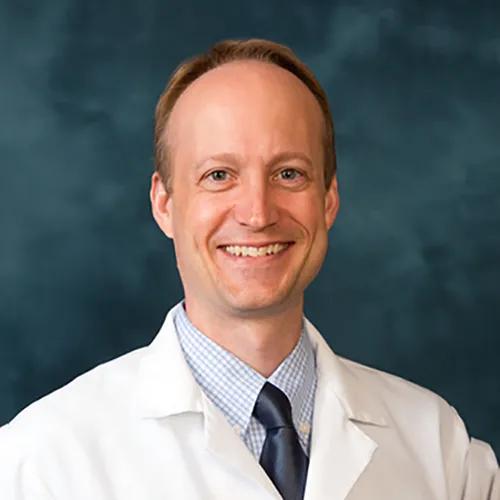
Keith E Kocher, MD MPH MPhil
Professor
Featured News & Stories
Rebecca Nause-Osthoff, MD, named Associate Chair for Pediatric Anesthesiology
Dr. Adam Rodman to deliver Woolliscroft Endowed Lecture on November 17

Bigger data reveals the second, third, and fourth switches controlling a gene
Dr. Amy Kelley named chief of Geriatric and Palliative Medicine

Commentary: Global health research makes America richer and healthier