The MI-ACRE Program - Part 1 of 3
Reimagining Addiction Care: Michigan Innovations in Addiction Care through Research & Education (MI-ACRE)
Even with effective care available, including medications and behavioral therapies, more than 80% of people living with substance use disorders (SUD) still don’t receive treatment. This is staggering considering it includes many people in our own communities - family, friends, neighbors, colleagues – who are too often left to face addiction, one of the most common mental health conditions, on their own.
How can we deliver these life-changing SUD treatments to those who need it most? Allison Lin, MD, MS, found this question weighing heavily on her mind. “We work really hard in our addiction research but find that it is easy to lose sight of what really matters,” Dr. Lin explains. “From other conversations with colleagues and friends, it was clear a lot of people felt similarly. At the end of our careers, we don’t want to just say, ‘I’ve published a lot of papers.’ We have amazing teams that have developed important nationally recognized research and expertise. We want to leverage all of this energy to try to make an impact and help people in the real-world, who need it NOW.”
What Really Matters
Bridging the gap between scientific discovery and real-world impact is at the heart of what matters most to Dr. Lin and her colleagues. For patients living with SUDs, bridging the gap means ensuring healthcare providers and their patients have access to innovative addiction care developed over decades of research. Or that geographically isolated patients can access life-changing treatment through telehealth and digital platforms.
With these intentions in mind, Dr. Lin reached out to fellow U-M faculty who shared her vision for transforming addiction care and treatment. “We have amazing and talented faculty in the U-M Department of Psychiatry. So many people have similar interests. The question was, how do we create opportunities and support people to do the most impactful work? A lot of it came down to building community,” said Lin.
Building Community – The MI-ACRE Leadership Team
In August 2023, based on the belief that scientific innovation must reach those who need it most, the Michigan Innovations in Addiction Care through Research and Education (MI-ACRE) program was founded.
With Dr. Lin serving as Co-Director, founding MI-ACRE members include U-M Addiction Center faculty Lara Coughlin, PhD, Co-Director; Erin E. Bonar, PhD, Director of Research Strategy; Anne Fernandez, PhD, Director of Clinical Research; and Maureen Walton, MPH, PhD, Strategic Advisor. Together, this MI-ACRE leadership team brings diverse addiction expertise across psychology, psychiatry, prevention science, public health and implementation science. Their mission? Leading impactful research, training, and clinical programs to generate positive impacts on addiction prevention and care in our communities.
Dr. Coughlin recalls what drew her to the MI-ACRE team was the idea that “MI-ACRE brings together people who are deeply committed to reimagining addiction care—and doing so with humility, creativity, and urgency. I wanted to be part of a team shaping that kind of future, and find our impact is greatest when we work together.”
The MI-ACRE team prioritizes making space for time together, to facilitate mutual support and critical information sharing. This has led to an offspring of ideas, projects and funded research studies. Dr. Fernandez reflects, “I was and still remain very excited about working on a shared vision about conducting impactful clinical research that can improve the way we think about, prevent, and care for those with addiction.”
Current MI-ACRE Events & Opportunities
- Register for the spring virtual MI-ACRE Innovation Session, “Buprenorphine Initiation in the ED: Lessons from 10 Years of Implementation”
- Lead a MI-ACRE Innovation Session (in-person and virtual options available)
- Consider applying for a 2026 MI-ACRE Advancing Addiction Care Award
- If you’re interested in learning more about the MI-ACRE program, please contact Lisa Sulkowski, MI-ACRE Program Manager, at [email protected].
MI-ACRE is part of the University of Michigan Addiction Center in the Department of Psychiatry at Michigan Medicine.
In This Story

Lewei (Allison) Lin, MD, MS, DFASAM
Associate Professor
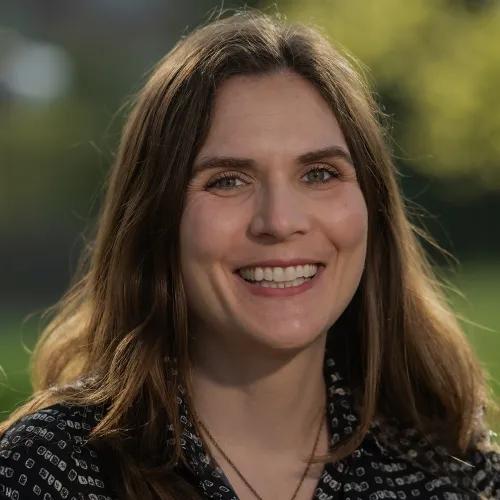
Lara N Coughlin, PhD
Associate Professor
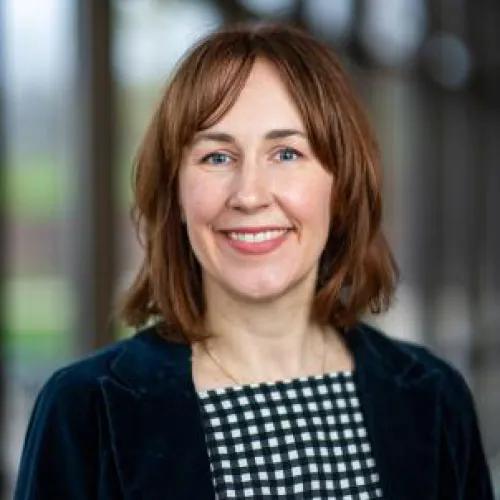
Anne C Fernandez, PhD
Adjunct Associate Professor
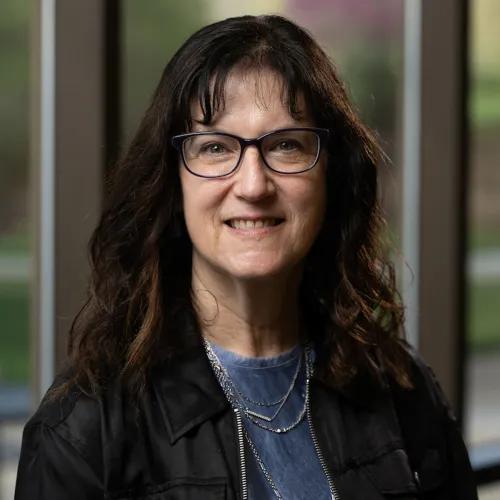
Maureen Ann Walton, MPH, PhD
Professor
Featured News & Stories
Rebecca Nause-Osthoff, MD, named Associate Chair for Pediatric Anesthesiology
Dr. Adam Rodman to deliver Woolliscroft Endowed Lecture on November 17

Bigger data reveals the second, third, and fourth switches controlling a gene

Dr. Amy Kelley named chief of Geriatric and Palliative Medicine

Commentary: Global health research makes America richer and healthier