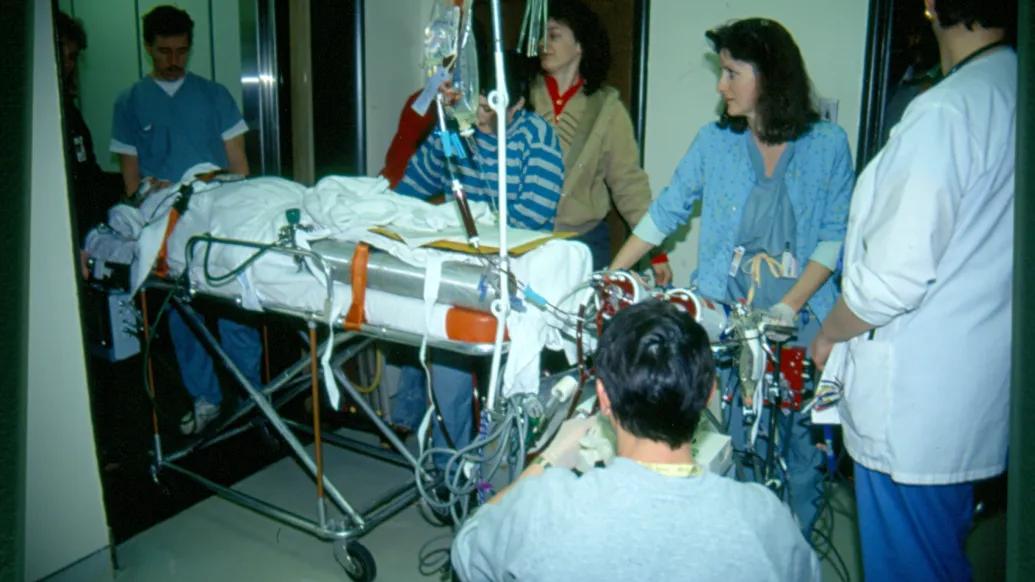
In 1982, a military aircraft carrying 17 critically injured burn patients landed in Detroit.
Just days earlier, a propane explosion at a factory in Nigeria left dozens with life-threatening burns. Now survivors were arriving in Michigan after an extraordinary flight across the Atlantic.
At Michigan Medicine, an equally extraordinary response was already underway.
An entire hospital floor had been cleared, with teams of physicians, nurses and staff standing ready to begin treatment as soon as patients arrived.
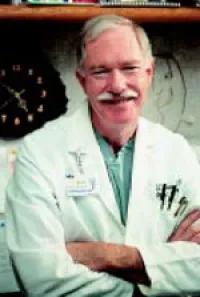
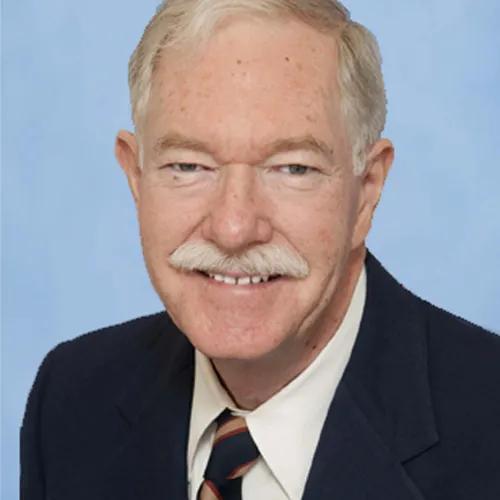
"It was really quite a remarkable event," recalled Richard Burney, MD, former Section Head of Emergency Services. "Each burn victim was met by a team of three people. It was incredible how we could all work together in an emergency situation."
This moment was far more than a disaster operation; it demonstrated how far emergency care at the University of Michigan had come and marked the importance of establishing a future emergency department.
When Emergency Medicine Didn't Exist
When Burney arrived at Michigan in 1976, emergency medicine did not exist as a recognized specialty—not just at Michigan, but across the country.
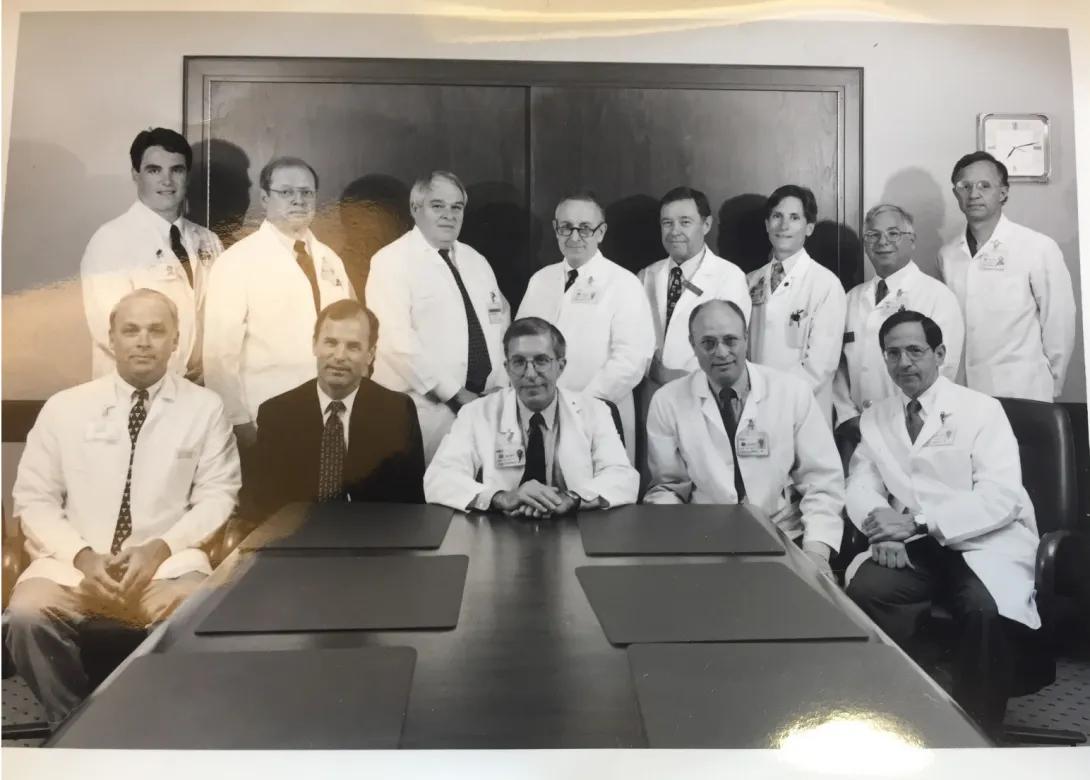
The emergency room was known as Emergency Services, which occupied a small space on the fourth floor of the Outpatient Building—now the Med Inn building—with only a few treatment rooms.
Patients didn’t see emergency physicians because there were none. Instead, physicians from surgery, internal medicine, pediatrics, psychiatry and other specialties rotated through the emergency room as part of their regular responsibilities.
Even the location reflected how emergency care was viewed.
"The emergency department was on the fourth floor,” Dr. Burney said. “I mean, people had to take an elevator to get to it, which gives you an example of what kind of priority it had."
Trauma patients were evaluated by whichever surgical team happened to be on call. There was no organized trauma system, no dedicated emergency physicians and little recognition that emergency care needed its own specialty.
"The biggest challenge was getting physicians...getting the leadership in the academic community to recognize the importance of this emerging specialty," Dr. Burney said. "They just didn't want to know about it."
A Vision Worth Fighting For
Despite the skepticism, a handful of people believed something different.
Burney joined Michigan as a surgeon while directing Emergency Services. He also spent years helping organize Washtenaw County’s emergency medical services (EMS) system, recognizing that emergency care began long before a patient reached the hospital.
"It was a 15-year struggle to get recognition for emergency medicine as a legitimate medical discipline," Burney said.
In 1979, another visionary arrived.
James Mackenzie, MD, became the first full-time director of Emergency Services and helped transform what a small hospital service was into something much larger.
Dr. Mackenzie recruited faculty, expanded education, strengthened research and pushed the university to think differently about emergency medicine.
He believed emergency medicine should become an academic program built around clinical excellence, education, innovation, and research—not simply a place where patients were treated before being admitted elsewhere.
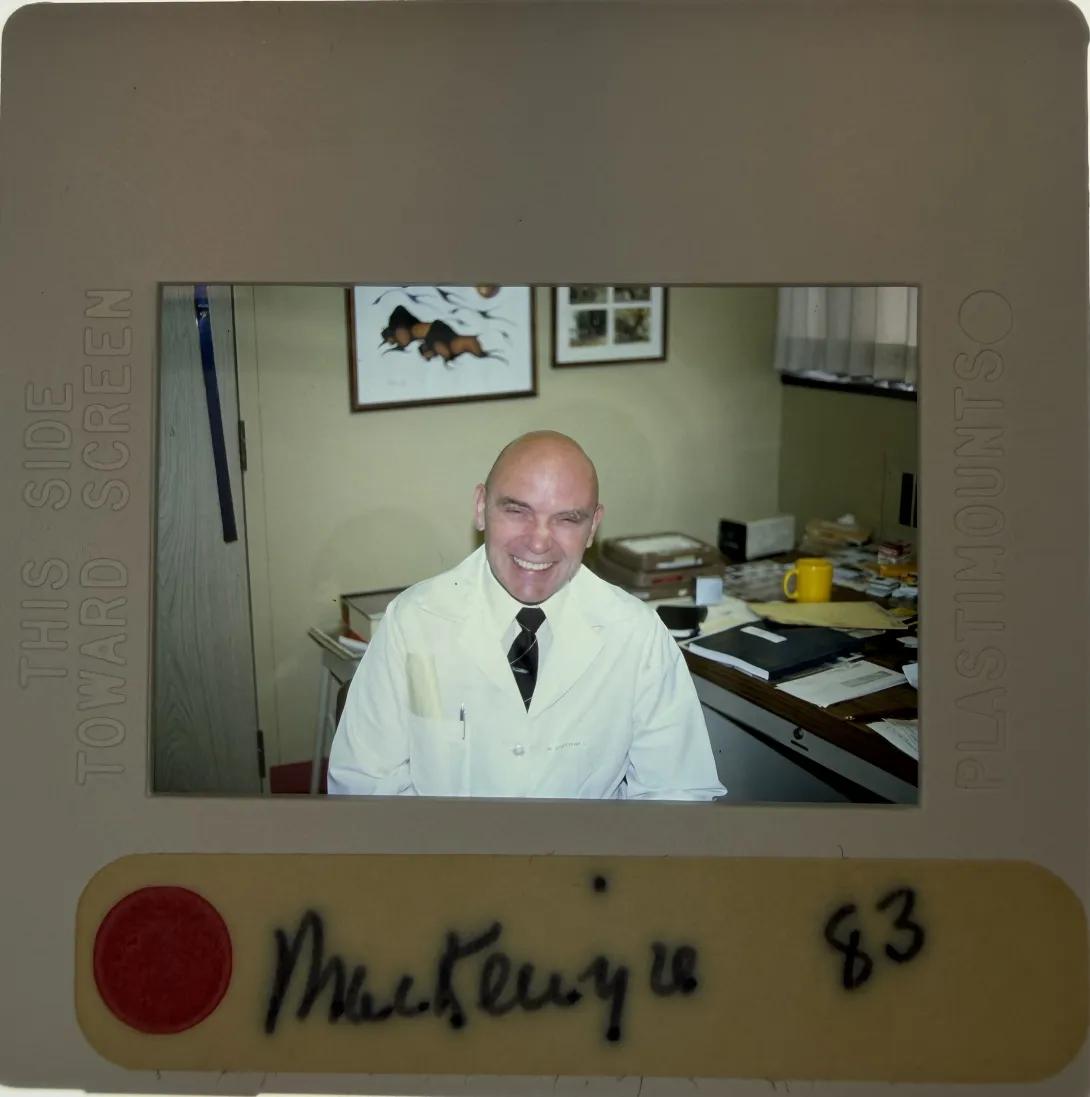
"Jim McKenzie had the determination and the vision for what needed to be done," Dr. Burney said.
Taking Flight
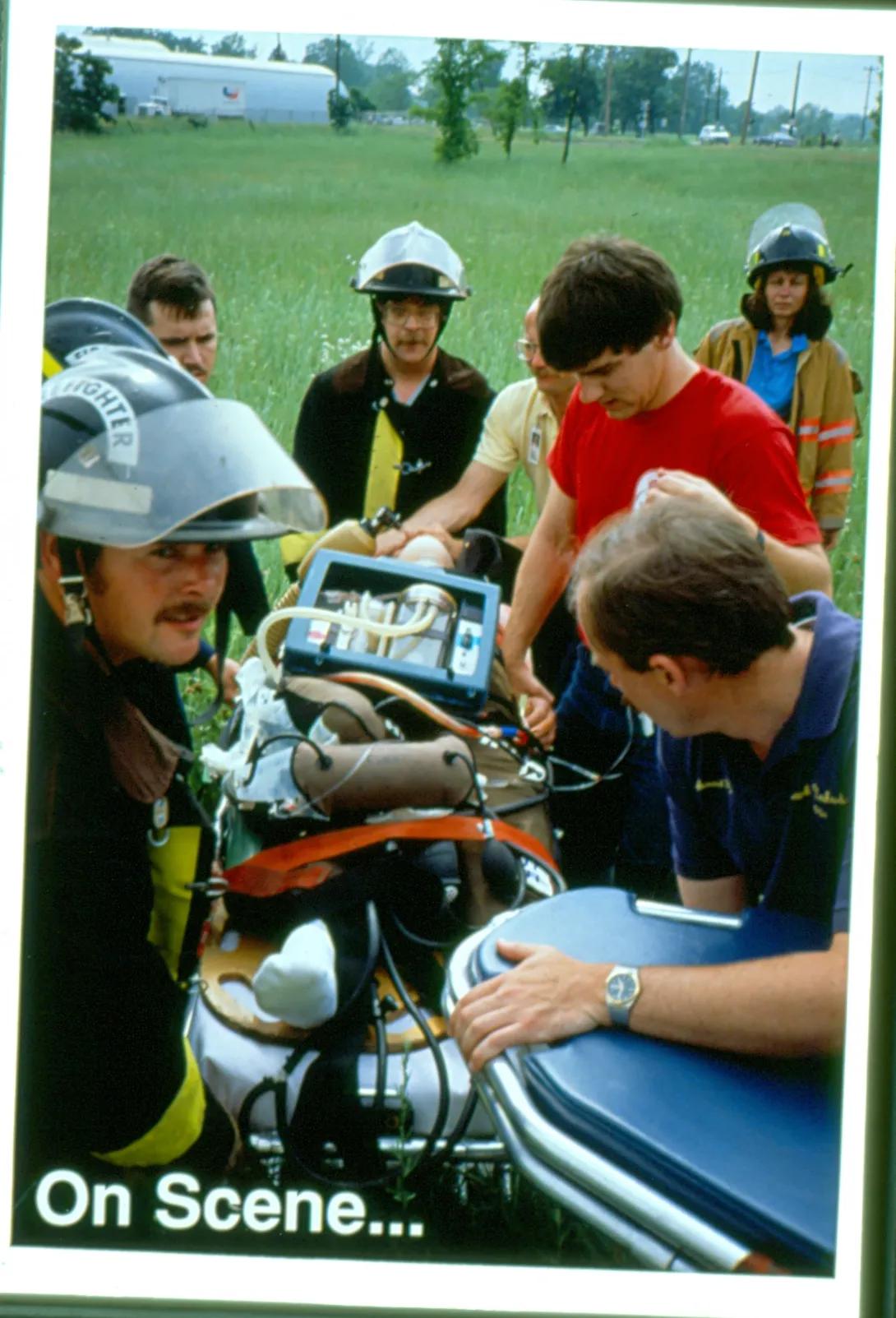
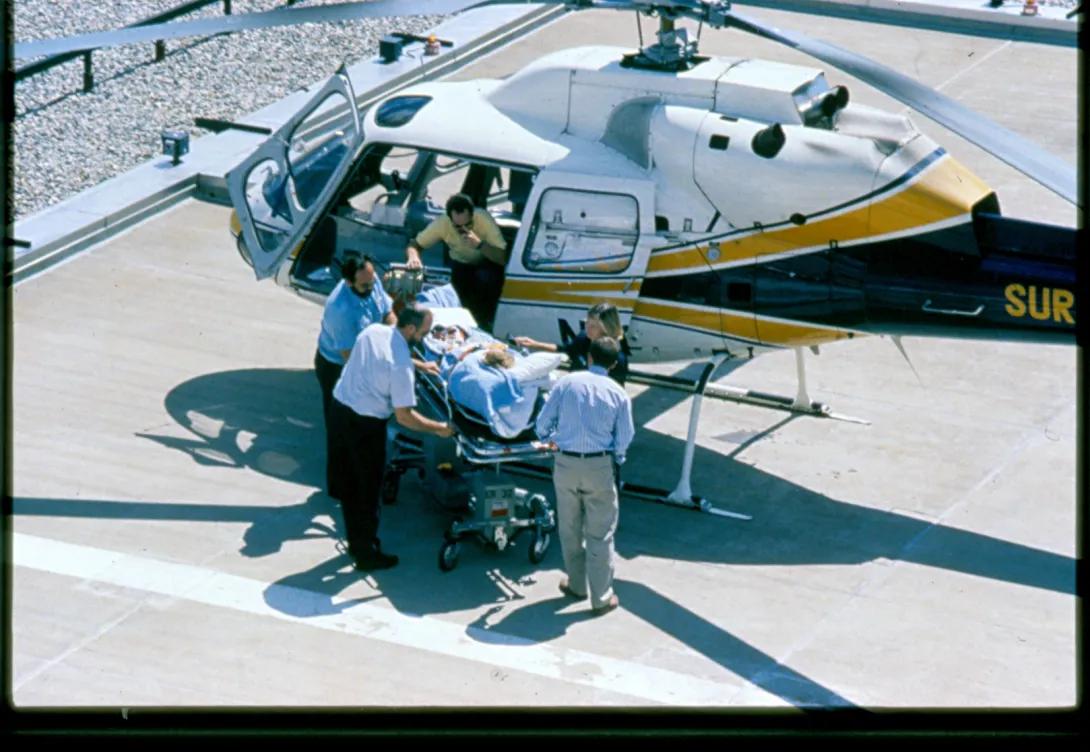
One of Mackenzie’s boldest ideas became one of Michigan Medicine’s most recognizable programs—Survival Flight.
Rather than waiting for critically injured patients to arrive hours later by ambulance, he and Dr. Burney envisioned bringing lifesaving care to patients across Michigan by air.
"If we wanted to see trauma, we were going to have to go out and get it," Dr. Burney recalled.
After years of planning and regulatory hurdles, Survival Flight launched in 1983.
More than four decades later, it continues serving as one of Michigan Medicine’s defining programs and a vital part of the landscape of emergency care in the state.
A Specialty Comes of Age
Meanwhile, emergency medicine as a specialty was officially accepted by the American Board of Medical Specialties in 1980.
Advances in CT imaging, cardiac care, and emergency diagnostics transformed emergency departments into the hospital’s front door.
"The emergency department became a critical site for diagnosis, triage, and providing emergency care," Dr. Burney said.
Michigan’s emergency program grew alongside the specialty.
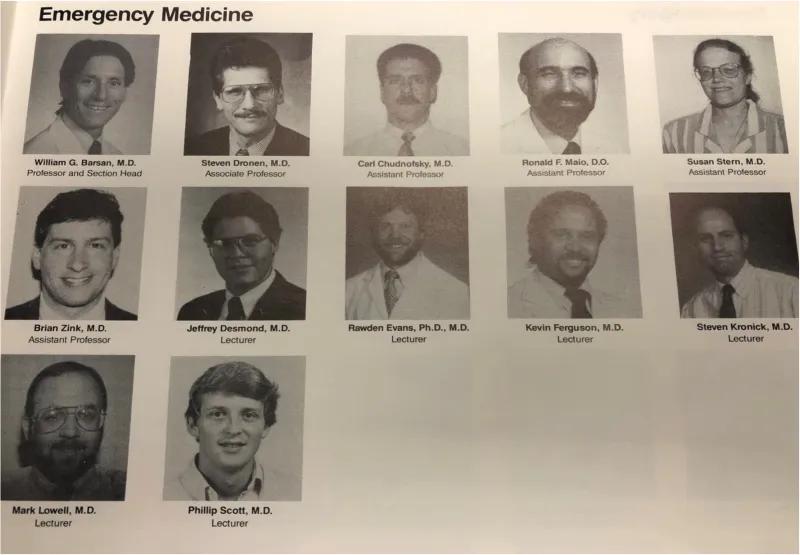
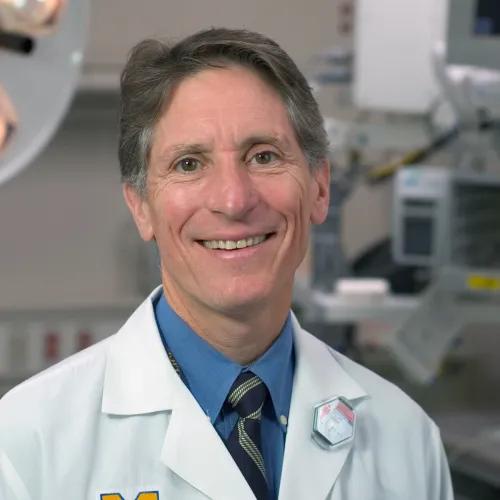
In 1992, Dr. William Barsan, MD, a Professor in Emergency Medicine at the University of Cincinnati, was recruited to lead Emergency Medicine as a section within the Department of Surgery.
Building on the work of those who came before him, Barsan recruited residency-trained emergency physicians, expanded research, strengthened education, and positioned Michigan as one of the nation’s leading academic emergency medicine programs.
"We wanted to have a top-rate emergency medicine residency that would attract people from all over the country,” Dr, Barsan said. “We really wanted to develop a really strong research background."
The Department Becomes Reality
When Barsan accepted the position in 1992, he already had a clear objective.
"Our goal is to become a department within 10 years," he recalled. Seven years later, in 1999, that goal became reality.
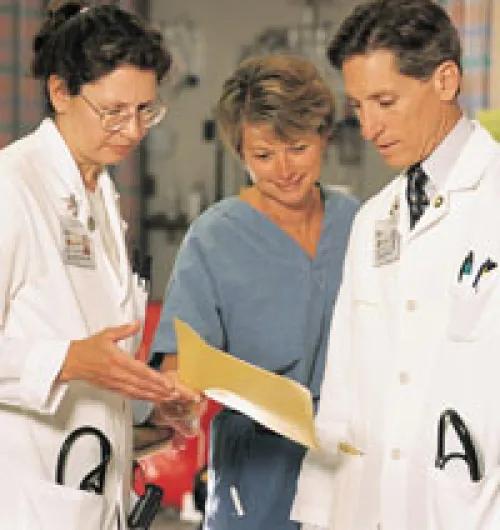
The University of Michigan officially established the Department of Emergency Medicine, naming Barsan as its first chair.
The creation of the department wasn’t the beginning of its story, but a culmination of decades of dedication, persistence, and a vision for something more.
"There are really three anniversaries," Dr. Burney said. "The establishment of the emergency service. The establishment of the independent division. Then finally, the establishment of the Department of Emergency Medicine."
A Legacy That Continues
Today, the University of Michigan Department of Emergency Medicine is recognized nationally for groundbreaking research, respected education programs, pediatric emergency medicine, critical care transport and innovations that continue to shape emergency care around the world.
More than a department, if you look back you see an idea that endured and persisted despite years of skepticism.
"We had to maintain the vision," Dr. Burney said. "We had to be patient, persistent, and keep struggling through it. It was not easy."
Over 25 years after becoming an independent department, that same pioneering spirit and teamwork continue to define emergency care at Michigan and shape its new vision—Together We Define Emergency Care.
In This Story
William Barsan, MD
Professor Emeritus/a
Richard E Burney
Professor Emeritus/a
Featured News & Stories
Into the Current: Dr. Nate Hunt Brings Specialized Water Rescue Expertise Back to Michigan Medicine

Emergency room intervention pairs smartphone, telehealth counseling to reduce risky firearm behavior

Digital alerts support timely treatment decisions of critically ill cardiac patients
What’s changing in Medicaid and what can you do?

Meet Our New Emergency Medicine Fellows and Faculty