Internal Medicine Faculty Spotlight - Dr. Alexander Chaitoff
Alexander Chaitoff, MD, MPH, is a Research Scientist at the Veterans Affairs Center for Clinical Management Research in Ann Arbor and a Tenure-Track Assistant Professor of Internal Medicine in the Division of General Medicine at the University of Michigan Medical School.
Dr. Chaitoff earned his medical degree at the Cleveland Clinic Lerner College of Medicine and completed his Internal Medicine residency in Boston at the Brigham and Women’s Hospital/Harvard Medical School. Prior to joining Michigan Medicine, he worked as a hospitalist in the Mass General Brigham system in Boston while completing his research fellowship in implementation science in the Division of Pharmacoepidemiology and Pharmacoeconomics at the Brigham and Women’s Hospital.
Dr. Chaitoff’s research focuses on optimizing medications for older adults by better understanding the impact of age and frailty on the risks and benefits of treatments, and determining low-cost, time-efficient ways to increase evidence-based prescribing in general medicine settings.
Dr. Chaitoff’s work has appeared in numerous high-impact journals including JAMA, JAMA Internal Medicine, Diabetes Care, and Annals of Internal Medicine. You can see some of his research in this Michigan Medicine Health Lab article, The heart of the question: Who can get Medicare-covered weight loss medicine?
Learn more about Dr. Chaitoff, the inspiration behind his passion for medicine and his field of work and what continues to inspire him today, and some of his favorite mantras, in this exclusive faculty spotlight.
Can you tell us more about your current research and what you hope to achieve?
My current research is focused on creating accurate estimates of medication safety and efficacy to personalize common prescribing decisions for older adults. I use a number of methods and data sources to carry out this mission. For example, I describe trends in prescription medication use by using national datasets to identify highly used medications or medications that are potentially being used inappropriately. To study further, I use medical record and administrative data to see the comparative safety of medications and surveys to understand what benefits older adults require in their medications for them to be worth taking.
Ultimately, I hope to help create a medical system in which older adults can make informed decisions about medications and are 1) not denied evidenced-based therapies solely based on their age and 2) not exposed to unacceptable risk of medication harms.
How did you become interested in your research on medication safety and efficacy for aging adults?
As an internal medicine physician, one tool in my toolkit to help patients is evidenced-based medication. However, looking at medication choice also requires considering the tradeoffs. Medications are responsible for 33% of recent life expectancy gains, but they also lead to more than four million healthcare visits, due to adverse effects, each year. Weighing a medication’s likelihood of benefit and risk of harm is especially important for older adults, who are more likely to both qualify for medications but also be harmed by them.
I see the benefits and harms of medications each day in my practice, so I respect the hesitancy patients have about using medication and recognize how paramount it is for patients to be able to make informed decisions grounded in accurate estimates of whether a medication is more likely to help or harm them.
What has been the most rewarding aspect of your career so far?
The most rewarding part of my career is having conversations about the importance of thinking about medication with nuance. There is no good or bad medicine, there is only the right medicine, for the right patients, for the right reasons. Talking with patients, my clinical colleagues, or fellow researchers to share knowledge, understand different perspectives, and receive critiques on my ideas are what I enjoy most.
What recent innovations or discoveries in your field or in healthcare in general are you most excited about? Any challenges you are experiencing?
I am particularly excited about the role technology can play in automating aspects of care, especially in medication monitoring. After a medication is prescribed, monitoring patients has been difficult and generally relies on a member of the healthcare team reaching out to ask about side effects or any other issues. This can be tough to scale, but with the rise of AI and consumer wearables, I believe we are entering a new era of medication safety monitoring that will help ensure the people who might benefit from medications are offered the chance to try them, while also being able to watch closely for any adverse effects of medications in ways that were not possible just five years ago.
What inspires you and why?
I am inspired by conversations about ideas - ask anybody who is in the office, I can’t help myself from stopping by for some dialogue.
Why did you decide to become a doctor? What drew you to medicine?
I feel like kids only recognize the existence of a few jobs - baseball player, race car driver, etc. - and doctor happens to be one of them. I was one of those kids who always said he wanted to be a doctor - I’m lucky that a decade plus of training only strengthened that childhood whim!
While I always knew I wanted to be a doctor, an internship experience at Cleveland Clinic led me to want to both see patients and conduct research. Back in the 2000s, Cleveland Clinic had a community outreach initiative called the “Science Internship Program” where local high school students could spend a summer learning about research and helping with some clinical workflow tasks (e.g. rooming patients). It was meant to teach about careers in science, including the option of becoming a physician-investigator. This program is what ultimately set me on the clinical research path.
What would you like people to know about you?
My undergraduate degree is from the finest institution of them all - THE Ohio State University.
Do you have a favorite quote that you live by and what does it mean to you?
I have three I reflect on regularly, 1) “for all sad words of tongue or pen, the saddest are these: ‘it might have been’” (from the poem Maud Muller), 2) “in this world, Elwood, you must be oh so smart or oh so pleasant. Well, for years I was smart. I recommend pleasant” (from the film Harvey), and lastly, 3) “the mild and generous are only more justly selfish than the domineering” (from Wuthering Heights).
Together, they make up a way of life - live in a way you won’t regret, kindness to others above all, and no acting self-righteous - helping others is a reward as much as anything else.
Learn more about Dr. Chaitoff’s research.
In This Story
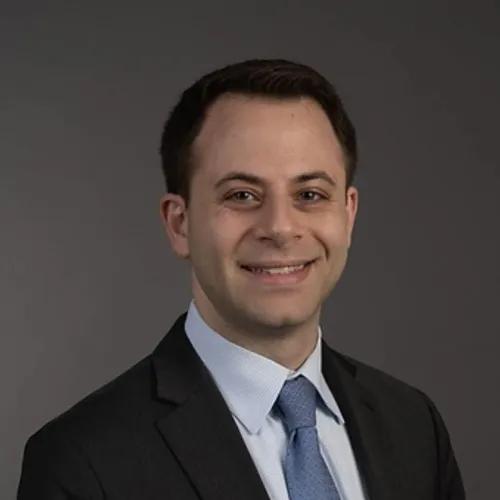
Alexander Chaitoff, MD, MPH
Assistant Professor
Featured News & Stories
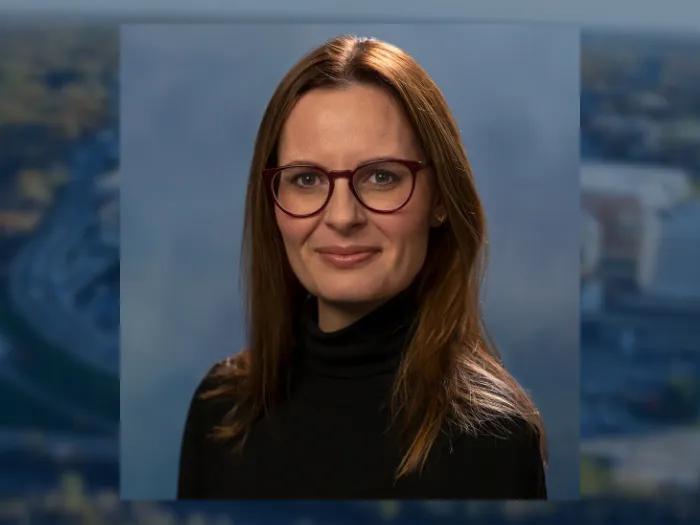
Rebecca Nause-Osthoff, MD, named Associate Chair for Pediatric Anesthesiology
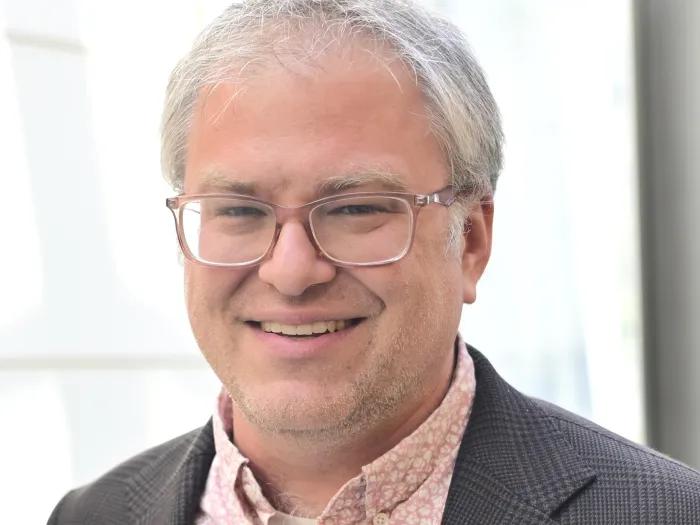
Dr. Adam Rodman to deliver Woolliscroft Endowed Lecture on November 17
Bigger data reveals the second, third, and fourth switches controlling a gene
Dr. Amy Kelley named chief of Geriatric and Palliative Medicine

Commentary: Global health research makes America richer and healthier