Suicide is the second leading cause of death among children and young adults. Even though many families know first-hand what it’s like to support a young person in their life who is experiencing suicidal thoughts, it can still be a difficult topic to talk about.
That’s why we all have a role to play in supporting suicide prevention efforts. From clinicians to patients to parents, everyone can help make a difference. The more we share awareness of the warning signs—and spread hope that things do get better—the more young lives we can save.
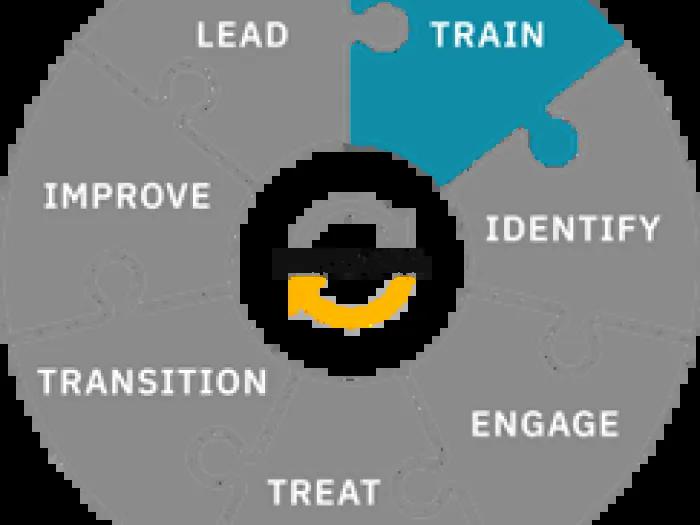
We asked our colleagues working in the Youth Suicide Prevention Initiative at C.S. Mott Children’s Hospital, a project based on the national Zero Suicide framework, what this work means to them and why it is important. Their insights show how a collaborative, team-based approach can make all the difference in the lives of young people.
“Having a child attempt suicide is one of the most traumatizing events a parent might experience. When this happened in our home, we were terrified and felt totally alone. The help for parents from providers seemed minimal at best. Fast forward 15 years and things have changed at the University of Michigan. The opportunity to represent the voice of parents on the Suicide Steering Committee is a way to help others moving forward. Knowing that the lived experience voices of myself and those I represent in the NAMI WC Parents Together support group are being heard and respected and may have an impact gives hope to other parents. It takes a team of providers and parents to improve systems and that is what is happening at U of M. I am proud and honored to be part of the team.”
—Alison Paine, Suicide Steering Committee member and leader of NAMI Washtenaw County Parents Together support group
“For me, suicide prevention has always been about connecting to people during the darkest times. Helping them feel hope and that the hospital is a safe place where people care and can help them. I am appreciative of the opportunity to engage in this work on a systems level to translate what we know is most helpful to individuals in crisis to clinical practice and support my colleagues in feeling prepared to support youth and families.”
—Syma Khan, LMSW, Project Manager YSPI and Clinical Social Worker
“Suicide prevention is deeply important to me because every child and family deserves hope, support, and the chance to live life to the fullest. Being part of the Zero Suicide steering committee is both an honor and a responsibility—I am proud to help shape, share, and educate on practices that empower staff, families, and communities to recognize and respond to suicide risk. System-level suicide prevention is essential because it creates a culture of safety and compassionate care, ensuring that warning signs do not go unnoticed and early intervention is established. Together, we can make an impact on youth suicide rates.”
—Sarah Brennan, RN, Nurse at C.S. Mott Children’s Hospital
“I have been involved in the Steering Committee to provide the external perspective of a parent of a child with experience in the mental health care system. Being on the steering committee has helped me to try to help other parents with children experiencing suicidal ideation and to keep up with local efforts by members of the university of Michigan community to support children and their families. I have also been a liaison to a local parent support group. As a member of the committee, I have also learned to appreciate the importance of a systems-level approach to suicide prevention, along with its many challenges and complexities.”
—Ron Kumon, Suicide Steering Committee member
“I’m grateful to contribute to this important work. The Zero Suicide Initiative creates a platform for clinicians to share ideas, explore strategies to keep patients safe, and promote awareness and education around suicide prevention and harm reduction. By taking a system-wide approach, we ensure that many perspectives are considered before implementing changes that impact many of our patients.”
—Karen Wilson, MSN, APRN, Nurse, C.S. Mott Children’s Hospital
“One of the reasons I love pediatric hospital medicine is the opportunity to meaningfully improve the lives of children and families. Caring of kids after a suicide attempt and learning that suicide is the second leading cause of death among youth and young adults reinforced for me that prevention must be embedded within our health care systems. As a hospitalist, I see how care transitions and system gaps can place youth at risk, making hospitals a critical setting for identification and intervention. Being involved in systems-level suicide prevention work allows us to move beyond individual encounters to implement evidence-based practices that reliably screen, Identify, and support youth at risk across the continuum of care.”
—Emily Jacobson, M.D., clinical assistant professor in internal medicine and pediatrics
“As a mother, grandmother, and volunteer, I see that suicide prevention is vital for all of us. From a son with PTSD after serving active duty to the kids in foster care with whom I volunteer, every interaction and discussion allows me to assess how they are doing. I never want a parent or caregiver to feel alone in this, and I see our roles as healthcare providers as ones that assess and support in every interaction with a child. As a member of the ZS Lead Team, I have not only gained valuable education, but I have also been part of a high-functioning team seeking to improve the care we provide to all of our youth.”
—Corrie Ziegman, DNP, Associate Chief Nursing Officer, C.S. Mott Children’s Hospital
If you or someone you know is experiencing a mental health crisis, call or text 988 to reach the national suicide and crisis hotline. Help is available 24/7.
Learn more about the Youth Suicide Prevention Initiative - a multidisciplinary collaboration at C.S. Mott Children’s Hospital that is educating providers to strengthen suicide prevention and mental health care.
In This Story
Nasuh Malas, MD, MPH, DFAACAP
Clinical Professor
Emily Jacobson, MD
Clinical Assistant Professor
Featured News & Stories

Stephan Taylor, M.D., quoted in Ars Technica story, "Man told ChatGPT he was feeling delusional. ChatGPT insisted he was Jesus"

Family-focused mental health fair a wellness resource for the A2SF community

Are 988 and other mental health crisis lines missing people over 50?
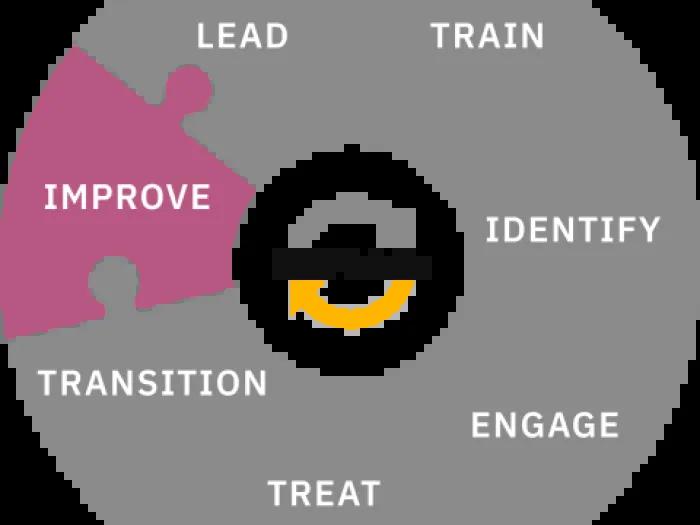
Summer 2026 Zero Suicide Newsletter
Spring 2026 Zero Suicide Newsletter - Building a Culture of Hope