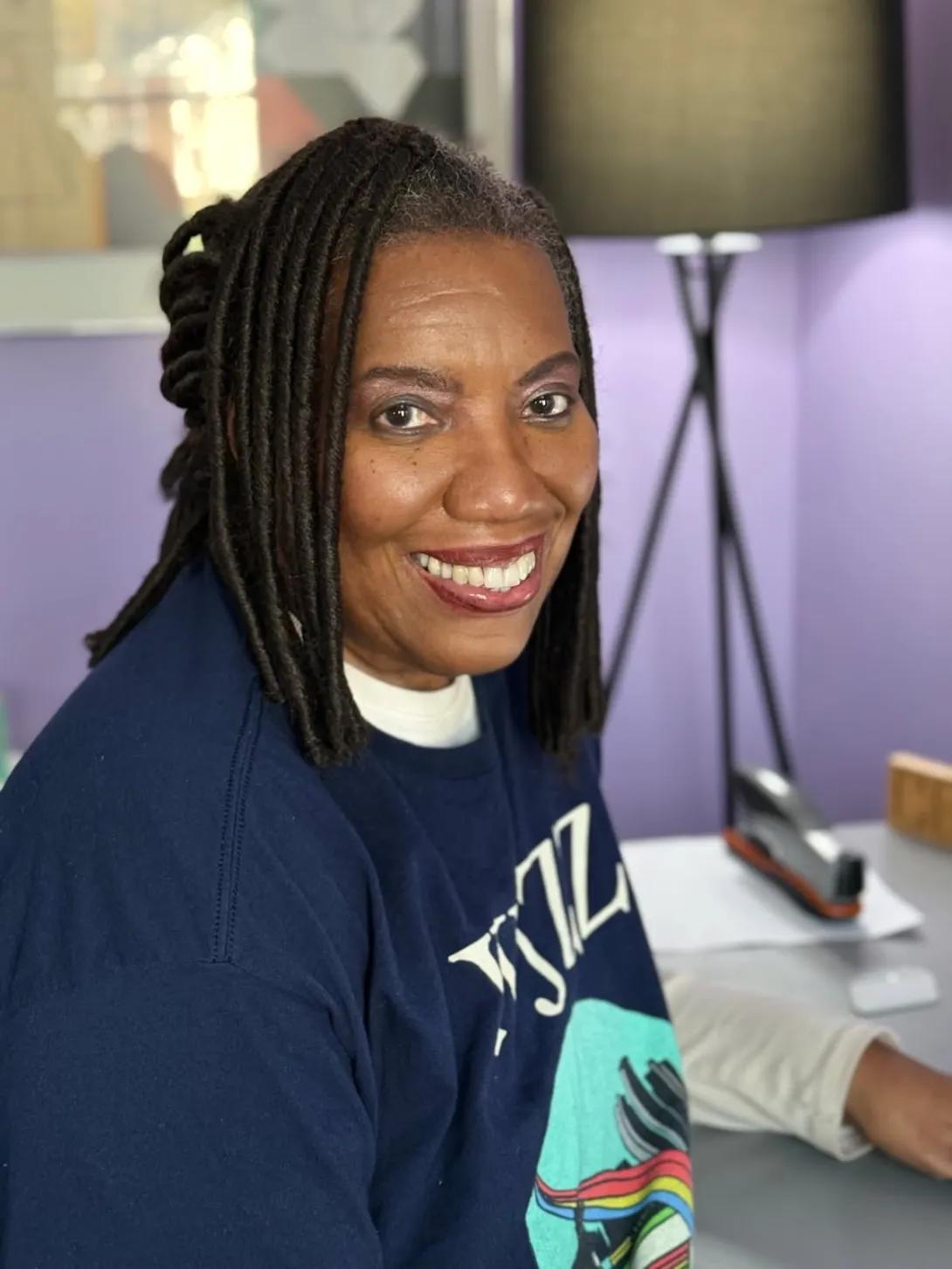
Carmen Harrison is a Community Engagement and Outreach professional with the Zero to Thrive program out of the Department of Psychiatry. In her position, Harrison builds meaningful partnerships and connects families and providers to resources that support maternal and infant mental health.
Her work is rooted in trust, relationship-building, and a deep commitment to meeting people where they are, helping ensure families across Southeast Michigan are connected to the care and support they deserve.
In her role, Harrison promotes Strong Roots programs, which focus on building healthy family relationships, including peer-led Strong Roots Parent Cafés that create safe spaces for honest conversations. She also supports Michigan Clinical Consultation & Care (MC3), a psychiatric access program offering consultation, resources and education, along with specialized perinatal support to help providers and families address mental health needs and social drivers of health.
In honor of Mental Health Awareness Month, Harrison shared a glimpse into a day at work, in her own words, as she builds connections and supports both families and professionals in their mental health journeys.
9 a.m. to 10:30 a.m.
My day usually starts with connecting to the Wayne County Resource Champions. This is a communitywide network that connects nonprofits that are looking for support for their clients and patients, and it has been such a helpful tool in my work.
I spend most of my mornings sharing information with the network about Zero to Thrive and MC3, and helping connect people to resources like food pantries, housing support, utility assistance and other basic needs. I also take the time to connect with my Zero to Thrive clinical team. Because most of my work is out in the community, I like to stay connected to my colleagues as much as possible so we can support each other in the work we are doing.
This is honestly one of my favorite parts of the day. I get to use the resource network I have built, but more importantly, I get to help connect people to things they truly need.
10:30 a.m. to 12:30 p.m.
Late mornings are usually focused on outreach and building partnerships. I connect with organizations that serve perinatal and postpartum moms, including Women Infants and Children (WIC) offices, health clinics, social service agencies and community organizations.
Today, I traveled to The Luke Clinic, a free clinic offering prenatal care and infant care to mothers in Detroit. The Luke Clinic is committed to saving lives in Detroit by addressing high infant and maternal mortality rates and we partner with them to provide evidence-based resources and services to support their patients’ behavioral health needs.
12:30 p.m. to 1 p.m.
I take a quick break for lunch -- usually something light, although I try very hard not to include a pastry 😉
1 p.m. to 3:30 p.m.
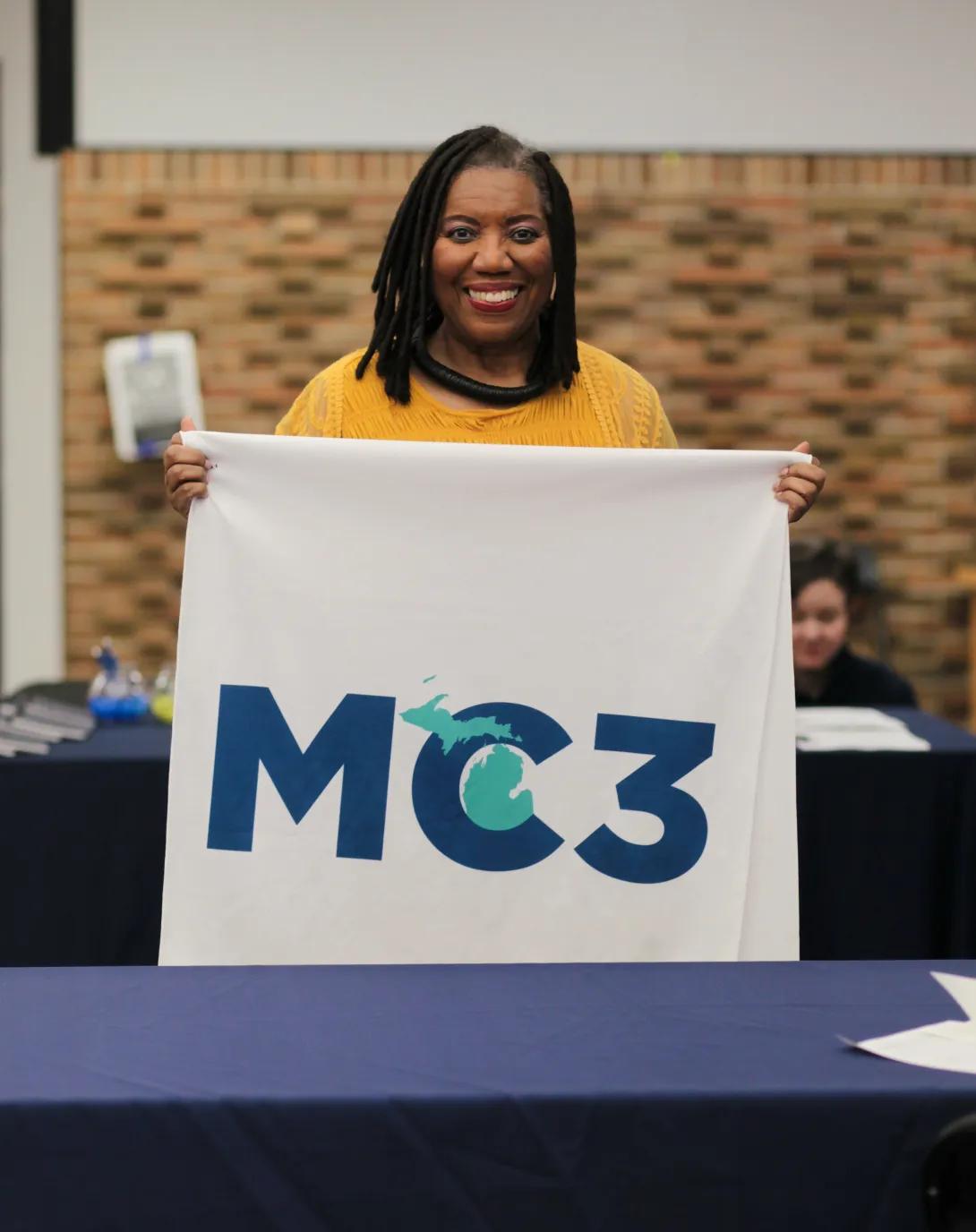
A big part of my afternoon is spent in the community. I travel throughout Wayne, Oakland and Macomb counties, visiting different organizations to build and maintain relationships.
I spend time at WIC offices, health clinics, social service agencies, and even libraries, sharing information and resources from Zero to Thrive and MC3.
Libraries are especially important spaces in the community. They often serve as warming and cooling centers for people who are unhoused, and it is not unusual to see pregnant moms there during the day while waiting for a shelter to open in the evening. Knowing that pregnant moms are going through homelessness is one of the harder parts of my work, and it motivates me to continue to engage in community outreach and engagement because I see first-hand the difference I can make.
Promoting Zero to Thrive initiatives at community events is where the magic happens. Whether it is a health fair, a community baby shower, or a policy discussion, these spaces bring people together. I get to connect with moms, physicians, nurses, doulas, lactation specialists, clinical directors and community advocates. Today, I was able to attend the Black Maternal Health Fair in Ypsilanti. These conversations are where real connections are made and where people start to see how programs like MC3 and Zero to Thrive can support them or the families they serve.
MC3 is almost always met with interest and excitement. I often hear moms say they wish something like this had been available during an earlier pregnancy, and those moments really stay with me.
3:30 p.m. to 4:30 p.m.
Late in the afternoon, I shift into follow-up mode. I document outreach, reconnect with partners I met during the day and make sure next steps and referrals are clear.
4:30 p.m. to 5 p.m.
I wrap up by organizing my notes, preparing for upcoming meetings or events, and check in on anything I may have missed. It is also a moment to reflect on the day and all the people I connected with.
Overall, my days are full of meeting incredible moms and truly dedicated professionals. The work can be challenging at times, but it is also incredibly rewarding.
I genuinely love being out in the community, building relationships, and sharing resources. Every conversation feels like an opportunity to make a difference, and I leave each day knowing that this work matters.
Featured News & Stories

What’s changing in Medicaid and what can you do?

C.S. Mott Children’s Hospital and The Parade Company Unveil New Float Inspired by “Little Victors” to Debut in 100th America’s Thanksgiving Parade® presented by Gardner White

What Can a Blood Test Really Tell Us About Alzheimer’s Disease?

M&I 2026 Annual Report

Playbook helps orthopaedic surgeons protect their most important instruments: themselves