Anti-Racism & Health Equity Program welcomes inaugural Fellow Ezekiel Medina
Family medicine as a practice seeks to improve the health of communities and promote health equity. To that end, the Department of Family Medicine’s researchers formed the Anti-Racism and Heath Equity Program (AREP) in 2021 to promote health equity through anti-racist research and practices.
In January, members hired their first Fellow to assist them with their partnership with Avalon Housing in Ann Arbor. Ezekiel Medina, a dual master’s student in Social Work and Public Health at the University of Michigan, is developing his skills in conducting anti-racism research with a mixed methods approach. His fellowship is supported in part by the Anti-Racism Collaborative, a program led by the University of Michigan (U-M)’s National Center for Institutional Diversity.
“There was this disconnect in what I was studying and what I was doing,” Medina said. “I didn’t feel like I was contributing to that health equity goal and using the skills that I had acquired over the years.”
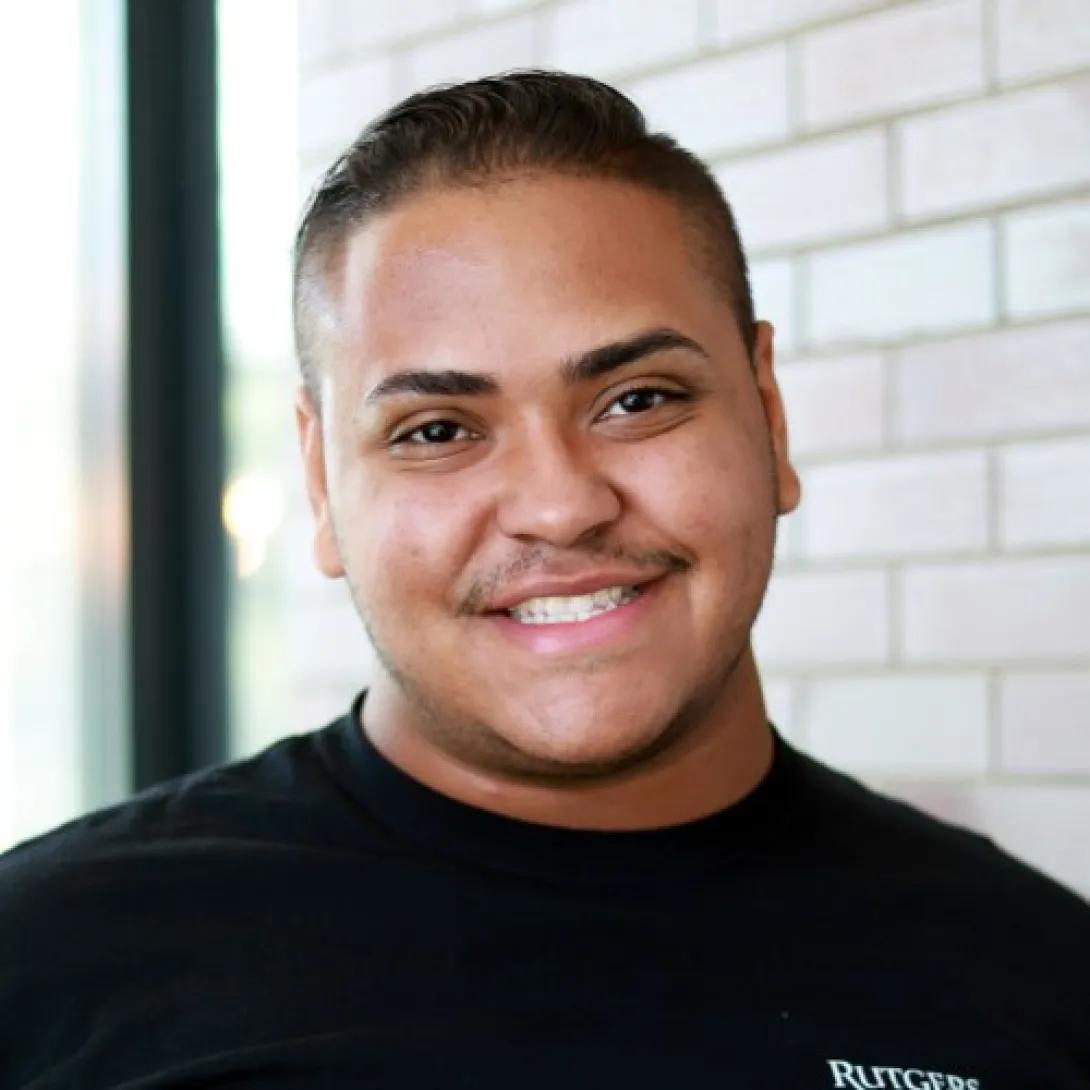
A former violence intervention specialist, Medina said he had some experience in helping clients locate adequate housing. But, like family medicine doctors and researchers, he also had to consider social determinants of health while working with his clients.
“Housing is a huge factor in your access to healthcare,” he said. “Navigating the system of healthcare when you’re homeless is really quite an issue in this country. Things need to change, and things need to be equitable. People who I was working with were not being treated fairly.”
As an AREP Fellow, Medina is collaborating with Assistant Professors Justine P. Wu, MD, MPH, and P. Paul Chandanabhumma, Ph.D., MPH, who are family medicine researchers and two of the original founders of the group.
“His breadth of experience and passion for addressing systemic oppression and violence prevention will catalyze our community-oriented mission into reality,” Chandanabhumma said.
AREP members formed the partnership with Avalon in 2022. It’s first steps were to build a relationship with the organization to establish a vision, mission, and guiding principles for the collaboration. They are also working to develop research priorities and a shared understanding of health equity; are participating in mutual learning about anti-racism, community engagement and trauma-informed healing; and are undertaking community immersion and activities to understand the experiences and priorities of Avalon residents.
“We are so excited to have Ezekiel here as the inaugural AREP Fellow,” Wu said. “He brings his deep understanding of the effects of violence and trauma on communities to this work and collaboration with Avalon Housing.”
Medina is contributing to those efforts by identifying supporting research literature and reviews that address topics of homelessness and housing insecurity, trauma, and anti-racism and health equity. He mentions that while he has to balance his fellowship work with his course work, he has enjoyed the sense of trust and independence that he receives from his AREP mentors. “The people running AREP are very great at making you feel supported,” he said.
Specifically, Medina is meeting with Avalon members to evaluate and revamp the organization’s annual assessment and intake forms to incorporate anti-racist approaches and metrics, as well as the development of a component that evaluates the impact of social determinants of health among clients.
“Avalon Housing's partnership with AREP is focused on applying academic research to understand and increase equity across the health outcomes experienced within our community,” said Bryant Hepp, Avalon’s evaluation and innovation manager.
“Ezekiel's work is helping us integrate emergent academic literature with mixed-methods assessment and validated social determinants of health screening tools to better measure and communicate how the health outcomes experienced by clients align with Avalon Housing's values, especially our commitment to anti-racist practice,” Hepp added.
According to published research, homelessness and housing insecurity are associated with significant health and social inequities, including higher rates of chronic disease, mental health illness, exposure to violence, social exclusion, and stigma. These issues can affect individuals throughout their lives.
Avalon Housing was established in 1992 and provides services to approximately 200 families per year. It offers affordable, multi-site housing in Washtenaw County. Its mission is to build healthy, safe and inclusive supportive housing communities as a long-term solution to homelessness.
“It’s been great to meet with a real-world example of and the challenges in engaging in a partnership with academia and the community,” Medina said. “Avalon is such an amazing organization. It’s clear that this organization really cares about its mission and lives up to it just in the fact that they have reached out to the University of Michigan to help them improve their mission, and that anti-racism is a focus of their work. It shows that there is a tide that is changing. I hope it continues.”
In This Story

Justine P Wu
Associate Professor

P Paul Chandanabhumma
Assistant Professor
Featured News & Stories
Identifying avoidant, restrictive food intake disorder in gastroenterology patients

Talent show brings joy to kids at children’s hospital

Foundation gift inspires additional gifts to strengthen youth mental health care

A concussion expert and football father discusses why he values teamwork over zero-risk