
More articles about: Cardiovascular: Preventive Cardiology
Health Lab
Risk of clots, stroke from incorrect blood thinner dosing reduced using online dashboard
Doctors and pharmacists treating people with blood thinners can now reduce the rate of inappropriate dosing — as well as blood clots and strokes that can result from it — using an electronic patient management system.

Health Lab
Physical activity improves early with customized text messages in patients with heart problems
A study found personalized text messages effectively promoted increased physical activity for patients after significant heart events — such as a heart attack or surgery — but those effects later diminished.
Health Lab
Blood pressure high for years? Beware of stroke risk
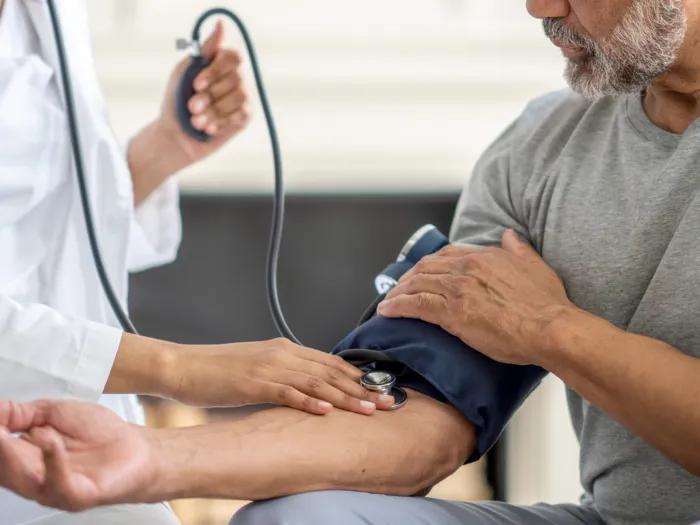
A study led by Michigan Medicine narrows in on the cumulative effects of years of high systolic blood pressure — the top number on the blood pressure reading and how hard the heart pumps blood to the arteries — finding that a higher average reading during adulthood is linked with a greater risk for the two most common types of stroke.

Health Lab
New risk equation could mean preventive statins for far fewer Americans
The tool, based on updated information about atherosclerotic cardiovascular disease, could mean fewer people would be recommended to take statin medications

Health Lab
Sudden cardiac arrest in young athletes: 5 things parents should know
Sudden cardiac arrest in young athletes: 5 things parents should know
Health Lab
Should heart patients consider taking weight loss medications?
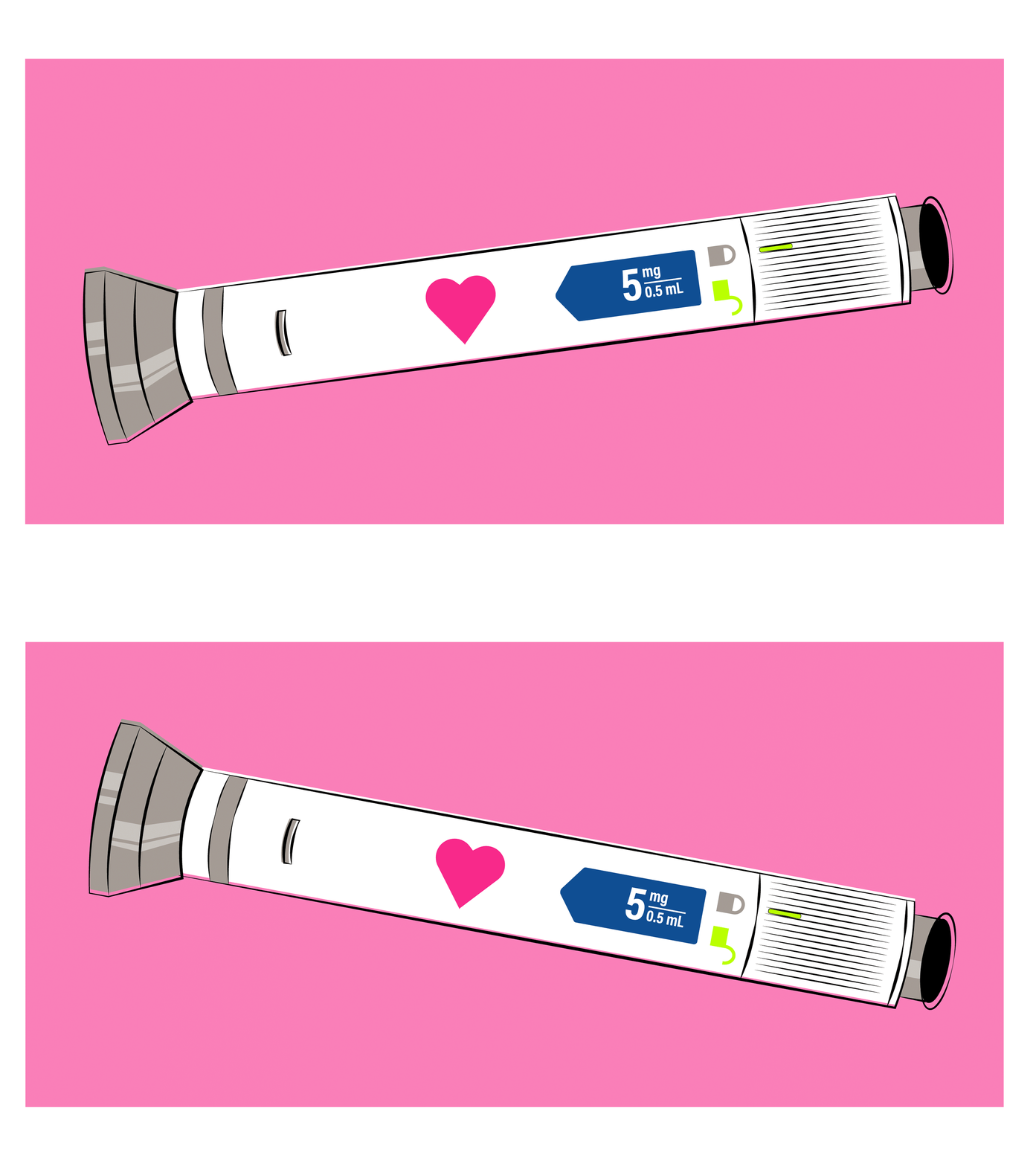
Cardiologist shares how weight loss medications may impact cardiovascular health.
Health Lab
Popular blood thinner associated with higher risk of bleeding complications
In a study of the three most commonly prescribed blood thinners, the oral anticoagulant rivaroxaban, known by the brand name Xarelto, was associated with a significantly higher risk of bleeding complications than apixaban (brand name Eliquis) and warfarin for patients with blood clots or atrial fibrillation.

Health Lab
Both virtual and in-person nutrition visits help to lower cholesterol
The use of telehealth remains high, with over 20% of American adults taking appointments online. These visits include video calls with registered dietitian nutritionists, who have a critical role in helping patients take on lifestyle changes through medical nutrition therapy. With a focus on the changing digital landscape, researchers at Michigan Medicine found that telemedicine patients with hyperlipidemia — an excess of cholesterol or fats in the blood — experienced similar positive health benefits compared to those who had in-person visits.
Health Lab
Clinical smart watch finds success at identifying atrial fibrillation
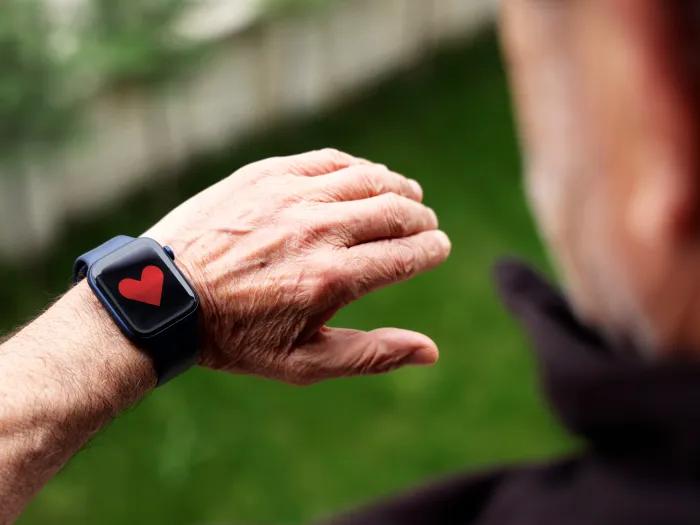
A Michigan Medicine research team developed a prescription wristwatch that continuously monitors the wearer’s heart rhythm and uses a unique algorithm to detect atrial fibrillation. The clinical-grade device, called the Verily Study Watch, proved very accurate at identifying atrial fibrillation in participants.
Health Lab
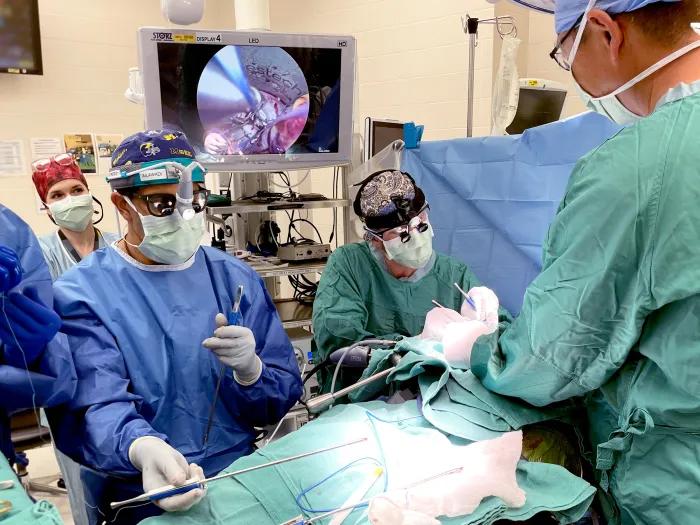
Treating heart valve disease: What are your options?
Michigan Medicine’s head of cardiac surgery, Gorav Ailawadi, M.D, M.B.A., answers questions about different treatment options for heart valve disease.

Health Lab
Older adults from distressed communities attend less cardiac rehab after heart procedures
Older adults who live in disadvantaged communities are less likely to attend cardiac rehabilitation after common heart procedures, a Michigan Medicine-led study finds.

Health Lab
Tailored text messages not enough to improve mobility after heart issues
A Michigan Medicine report shows that adding a mobile health application to such devices yields mixed results. Tailored text messages to encourage high-risk people to move more may improve some short-term outcomes but doesn’t always improve physical activity levels for everyone.

Health Lab
Increased step count linked to better health for people with heart failure
Using these wearable devices, a study led by Michigan Medicine and the University of Missouri with Saint Luke’s Mid America Heart Institute finds that taking more daily steps is associated improved health, including fewer symptoms and physical limitations, for people with heart failure.
Health Lab
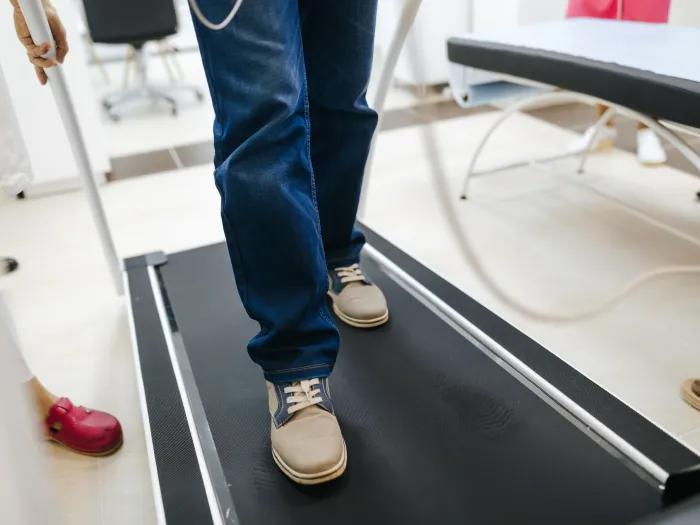
Cardiac rehabilitation reduces risk of death years after heart surgery, still underutilized
A Michigan Medicine study finds people who participate in cardiac rehabilitation have a decreased risk of death years after surgery, with a trend towards better outcomes in patients who attend more sessions.
Health Lab
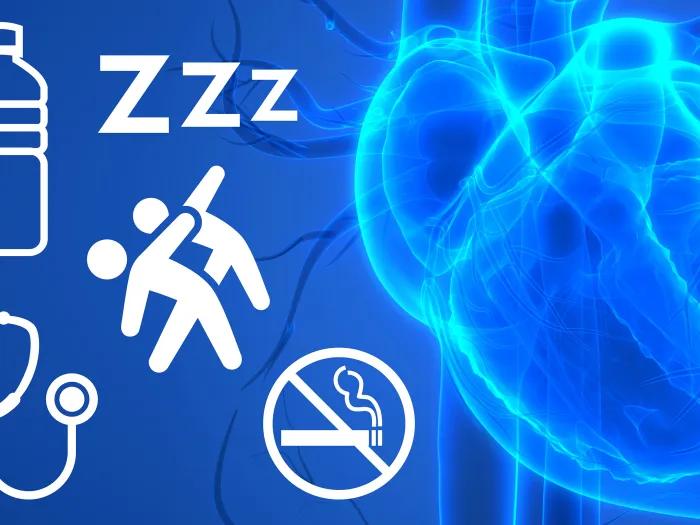
5 ways to keep your heart healthy
Cardiologist-approved heart tips for a healthier life from Michigan Medicine.
