
Noah Fromson
Public Relations Representative
Fromson joined Michigan Medicine in March 2021. He covers the neurosciences and cardiovascular medicine. He spent three years as a television reporter in West Michigan and is passionate about multimedia storytelling. Contact: [email protected] Twitter: @noahfromson
Health Lab
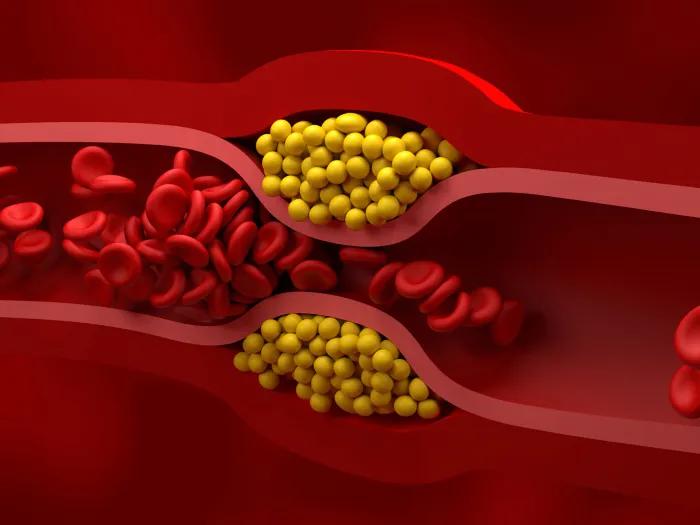
Drug candidate successfully treats atherosclerosis, fatty liver disease in large mammals
A compound that was previously found to treat severe fatty liver disease also reduces atherosclerosis, a primary driver of cardiovascular death, in non-human primates. The drug candidate was developed at the University of Michigan.

Health Lab
Why your seasonal allergies may be worse this year
A Michigan Medicine allergist explains why allergy seasons are getting harsher and how to treat symptoms.

Health Lab
Cognitive decline comes sooner for people with heart failure
There are over six million Americans with heart failure who are at greater risk of losing their cognitive abilities earlier in life, a study led by University of Michigan suggests.

Health Lab
Highly educated people face steeper mental declines after stroke
Stroke survivors who have attended some level of higher education may face even steeper mental declines, according to a study led by Michigan Medicine.
Health Lab
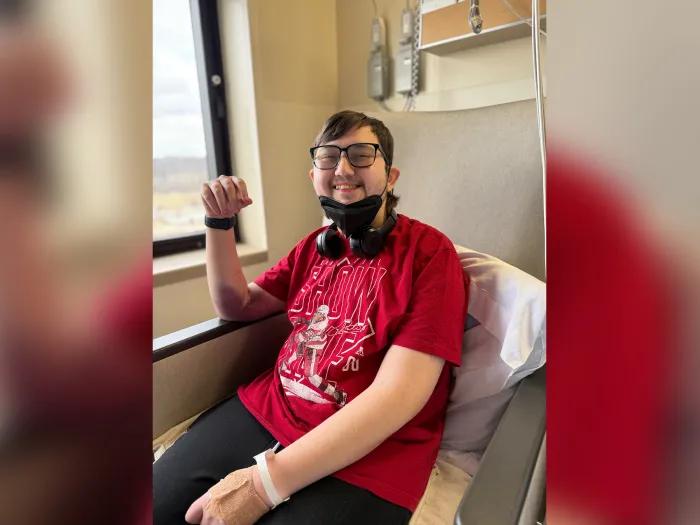
A heart on Valentines Day: young man with rare disease gets second transplant
A young man from Michigan who was born with the rare disease Barth Syndrome received a new heart over two decades after having a heart transplant as an infant.

Health Lab
After daughter’s brain surgery, mom sells art to raise money for cancer research
Nearly four and half years after her daughter’s lifesaving surgery to remove a glioma, a Michigan artist continues to raise money towards research for the treatment of cancerous brain tumors by selling her work.

Health Lab
Why vaping is bad for your heart
A Michigan Medicine doctor discusses how e-cigarettes and vaping harm your health and cardiovascular system.
Health Lab
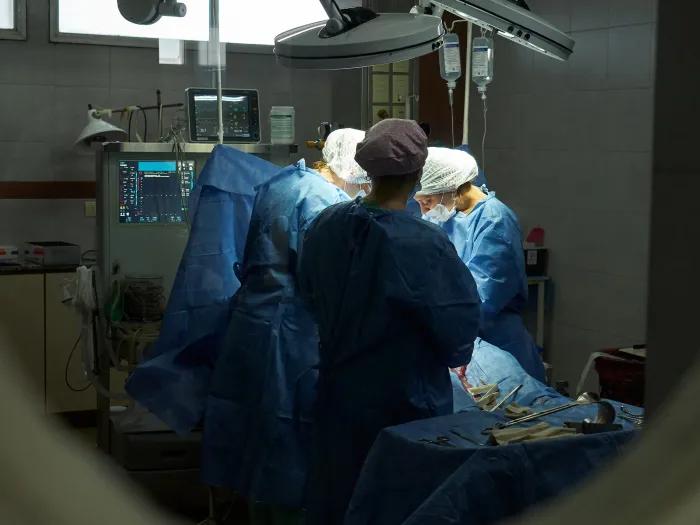
1 in 5 older adults get infections after heart surgery, and women have a 60% higher risk
According to findings by Michigan Medicine, one in five older patients gets an infection up to six months following heart surgery — with women much more likely to develop one.

Health Lab
ALS survival may be cut short by living in disadvantaged communities
Living in a disadvantaged community may decrease the length of time a person can survive with ALS by over 30%, a Michigan Medicine-led study finds.

Health Lab
Longtime Michigan football announcer makes call on heart health
A famous sports announcer for University of Michigan football finds himself getting heart care at Michigan Medicine and spreading the word to others to be proactive about their heart health.

Health Lab
Higher costs limit attendance for life changing cardiac rehab
Despite the success cardiac rehabilitation has shown at reducing heart-related deaths and hospital readmissions, higher out-of-pocket costs may prevent patients from participating in the program, a University of Michigan study suggests.

Health Lab
85% of Mexican Americans with dementia unaware of diagnosis, outpacing overall rate
More than three-quarters of older adults with dementia may be unaware of their diagnosis, a University of Michigan study finds.

Health Lab
Tooth infection leads doctors to giant brain aneurysm
A tooth infection led to the discovery of a woman’s giant brain aneurysm, which doctors treated using minimally invasive flow diversion embolization.

Health Lab
Reducing dose of popular blood thinners may limit risk of future bleeding
For people taking the popular blood thinners rivaroxaban (brand name Xarelto) and apixaban (brand name Eliquis), after having a blood clot, a reduced dose may limit the future risk of bleeding as well as hospital visits, a Michigan Medicine-led study suggests.
Health Lab
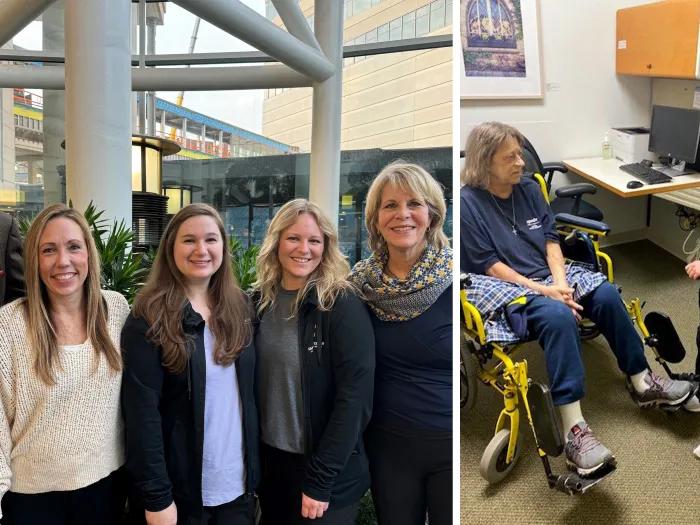
A pediatric program helping adults through cardiovascular disease, surgery
A child life program that has helped kids and their families reduce stress and anxiety associated with hospitalization and illness is now finding success with adult patients undergoing complex heart procedures as well.
