Joanne Constantin, Postdoc: Bridging the fields of public health and medicine
Interested in becoming a Postdoc? Explore our opportunities through Postdoc Preview.
Joanne Constantin (she/her/elle) earned her B.S. and MPH from the American University of Beirut in Lebanon in 2014 and 2016, respectively, and earned her PhD from the University of Iowa in 2023. This is Joanne’s second year at U-M as a postdoctoral research fellow. She currently is working under Dr. Jeremy Adler.
In this interview, Joanne answers questions about her work as a postdoctoral fellow in Health & Healthcare Research and the real-world impact it’s having.
How has your unique background and diversity influenced your research at the University of Michigan?
Coming from a small Middle Eastern country, my journey as an international woman in academia and a health economist in a medical school has endowed me with a rich, multifaceted perspective. This unique personal and professional background drives my dedication to enhancing population health outcomes through evidence-based policies, shaping my research at the University of Michigan.
Growing up in a region marked by political instability and healthcare disparities fueled my passion for understanding complex factors affecting health outcomes, especially for marginalized populations. This background informs my research, allowing me to approach issues holistically and empathetically, focusing on how health policies and social determinants influence care access amid racial and ethnic inequities. As an international woman in academia, my dedication to diversity, equity, and inclusion is a personal mission that drives my multidisciplinary approach to address systemic challenges and contribute to an equitable healthcare system for all, particularly women and children.
As a health economist and policy researcher in a medical school, I integrate economic theories with clinical insights, bridging the fields of Public Health and Medicine. My academic training equipped me with skills to employ cutting-edge econometric methods focused on causal inference, enabling robust research and generating powerful evidence to inform policy and improve equitable health outcomes.
Overall, my journey from Lebanon to the University of Michigan has profoundly shaped my research agenda. My diverse experiences encompassing an international upbringing, gender diversity, and a unique position within the interdisciplinary Child Health Evaluation and Research (CHEAR) Center, empower me to pursue innovative solutions to some of the most pressing public health challenges of our time.
What are some of the classes or laboratories that you have found particularly impactful or enjoyable during your fellowship at the University of Michigan, and how have they contributed to your overall experience?
One of the most impactful courses I have taken during my first year of fellowship is a course about leadership in academia. This course was designed to facilitate the development of a professional purpose and vision around impacting health and healthcare at a system level. The comprehensive curriculum focused on effective communication in research and leadership, as well as managing professional relationships.
This course prompted me to reflect deeply on my career goals and how my work can contribute to systemic improvements in health and healthcare. Clarifying this vision has given me a stronger sense of direction and purpose, enhancing the overall impact of my research. Additionally, as a researcher, the ability to clearly articulate complex ideas and findings to diverse audiences, ranging from academic peers to policymakers and the public, is crucial. This course provided practical strategies for improving both written and oral communications, which I am already implementing in my work. Furthermore, expanding my leadership skills has been a game-changer. The course provided tools and frameworks for leading teams, managing projects, and cultivating a collaborative and inclusive work environment. These skills are particularly important as I progress in my career and take on more significant roles within academic settings. Finally, gaining insights into building and maintaining professional relationships has boosted my networking and collaboration skills, which are vital for professional growth and success.
Overall, this leadership course has greatly contributed to my development as a researcher and leader in the field of health services and policy. It expanded my skills to navigate and influence the healthcare system, ensuring that my research not only advances academic knowledge but also translates into meaningful health improvements for diverse populations.
How do you manage your personal well-being as a postdoc at the University of Michigan? How do you reset and recharge to maintain a healthy work-life balance?
Managing my personal well-being and maintaining a healthy work-life balance is essential for sustaining productivity and overall happiness. After a long day of work, I unwind by engaging in a variety of activities that help me relax and recharge.
One of my favorite ways to decompress is by immersing myself in a good book. Reading allows me to escape the rigors of academic life and delve into different worlds, which can be both intellectually stimulating and deeply relaxing.

I also like taking long leisurely walks; this activity provides a physical outlet and an opportunity to enjoy nature, which helps clear my mind and reduce stress. I really enjoy strolling through the Arboretum as these walks help me focus better and approach challenges with a clear and composed mindset.
Social support is another strategy that helps me maintain balance. I make it a point to keep in frequent contact with friends I have made both in Michigan and in other states, as well as with family and loved ones back home. This strong support network beyond the academic environment is crucial for maintaining emotional well-being and feeling connected to a broader community.
Balancing these relaxing activities with pursuits that bring me joy and peace ensures that I remain motivated and focused on my research endeavors. By taking time to recharge, I can return to my work with renewed energy and a positive outlook, which ultimately enhances my productivity and creativity.
Describe some of your other passions or involvement in extracurricular activities on or off campus.
I am deeply passionate about Diversity, Equity, and Inclusion (DEI) initiatives. I extend my commitment to DEI beyond my equity-focused research into leadership and mentorship roles which I can leverage to promote these values within my academic and professional community. As former DEI Chair for the University of Michigan Postdoctoral Association, I developed and implemented initiatives that foster an inclusive and supportive environment for postdoctoral fellows, advocating for policies that enhance diversity and create a welcoming atmosphere for scholars from all backgrounds. I also mentor PhD students and postdoctoral fellows, particularly those from underrepresented minority groups, offering guidance on academics, career development, and navigating unique challenges. My ultimate goal is to empower my mentees by helping them leverage their unique strengths. Additionally, I actively participate in the University of Michigan community and professional organizations aligned with my health policy and community engagement interests, such as the Institute for Healthcare Policy and Innovation (IHPI).
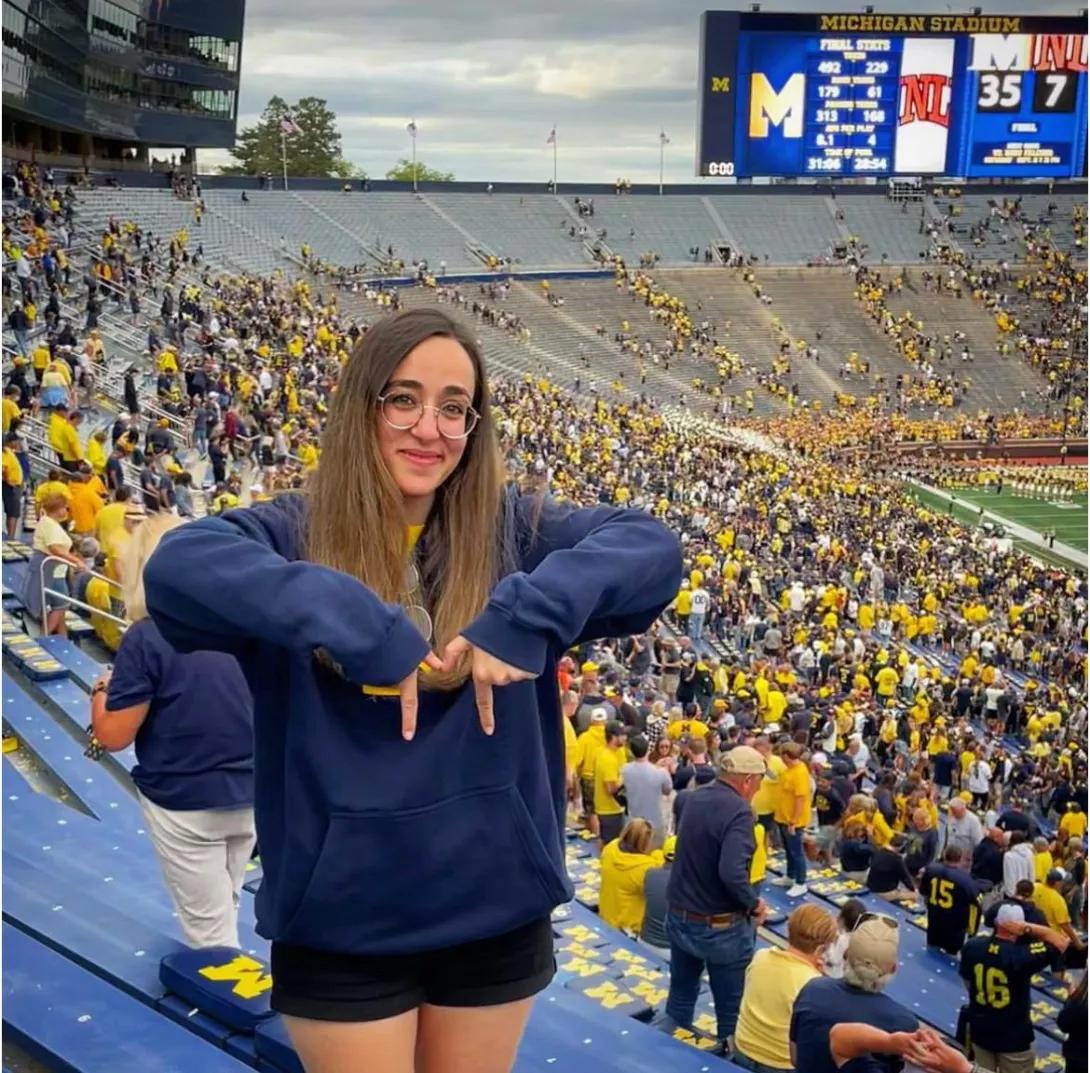
Outside my professional commitments, I am a passionate football fan and enjoy attending games at the “Big House." The energy in the stadium on game day is unmatched and provides a vibrant contrast to my academic life. Supporting the Wolverines and being part of this spirited community is one of the ways I stay connected to the broader university culture and reenergize myself. I also find joy in baking, cooking, and exploring new recipes from different cuisines, viewing culinary creativity as a therapeutic outlet to unwind and get a sense of accomplishment outside of my research work. Although my academic responsibilities have kept me busy, I aim to revive my food blog where I share recipes, cooking tips, and stories about my culinary adventures, to connect with a diverse community of fellow food enthusiasts.
Balancing my DEI advocacy and mentorship roles with personal passions, such as football and cooking, helps me maintain a well-rounded and fulfilling experience at the University of Michigan. These extracurricular activities enrich my life and reinforce my dedication to creating an inclusive, supportive, and dynamic community for all.
What kind of research are you working on, what do you enjoy most about it, and how is it impactful?
I am a health economist and health services researcher focused on policy evaluation to address two key public health issues: maternal and child health, and substance misuse. Despite the U.S. having some of the highest health expenditures globally, it often ranks below other industrialized countries on key health indicators for children and mothers. This paradox, along with the opioid crisis impacting millions of families, drives my research to explore the intersection of health policies, access to care, health outcomes, and social determinants of health. My work is deeply rooted in understanding and addressing systemic biases and racial/ethnic inequities and is grounded in microeconomics theory and a thorough understanding of the U.S. health policy landscape, fostering integrated efforts across social and medical sciences.
Some examples illustrating my applied research include my work evaluating the effects of state-level Medicaid reforms under the Affordable Care Act (ACA) such as eligibility expansions and the implementation of Accountable Care Organizations (ACO), on children’s healthcare access, utilization, and health outcomes. In my study examining the impact of the ACA Medicaid income eligibility expansions on infant mortality while considering potential heterogeneity by race and ethnicity, I found a meaningful decline in the mortality rate of Black and Hispanic infants. In a follow-up study, I examined the expansion effects on birth outcomes including birthweight, preterm birth, and fetal growth, providing separate estimates for married and non-married mothers within racial groups. I also examined mothers’ prenatal care use and maternal smoking to understand potential pathways through which this policy might affect birth outcomes.
This work revealed Medicaid expansions are associated with declines in non-Hispanic Black and non-Hispanic White infants’ low birthweight disparity. These two projects are very timely and make a real contribution to understanding how preconception insurance eligibility expansions to women of childbearing age may influence child health, highlighting critical policy implications to address racial/ethnic disparities in this population’s health outcomes. Expanding on my work on Medicaid policy evaluations, I examined the impact of a supply-side policy, i.e., health care delivery reform, on children’s health services access and utilization. I found an increase in specialist care use and in having a personal doctor or nurse, and a decline in emergency department use associated with ACO implementation, reflecting the importance of integrative care models to ameliorate children's outcomes under state specific policies.
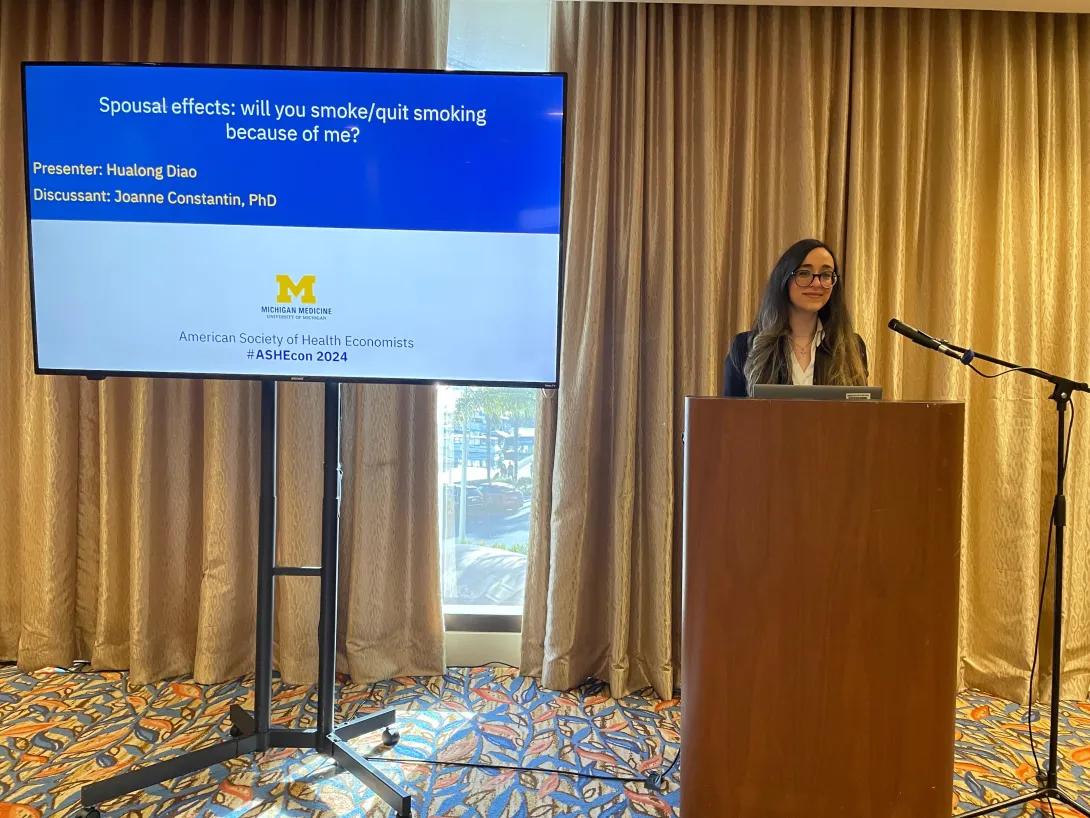
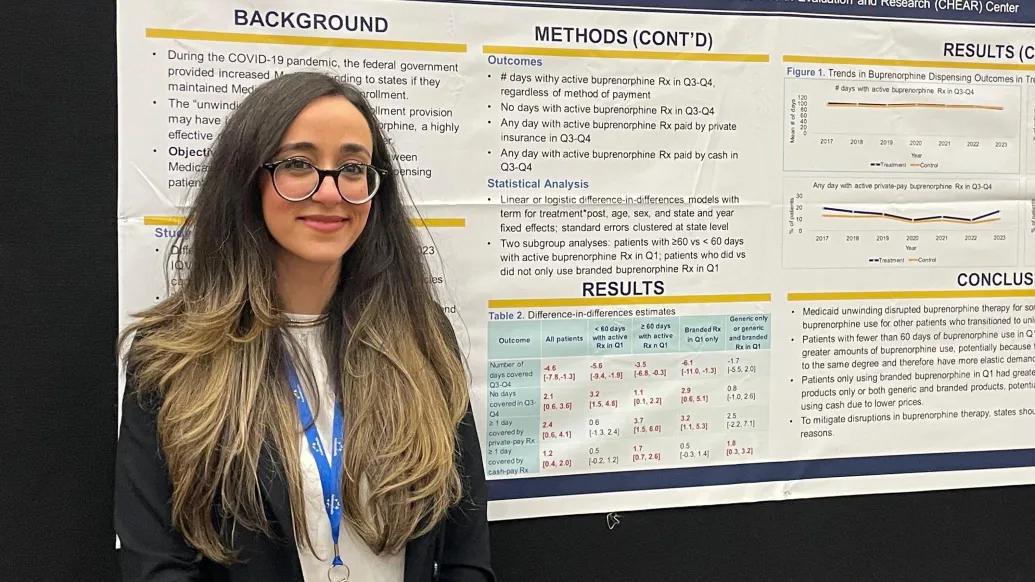
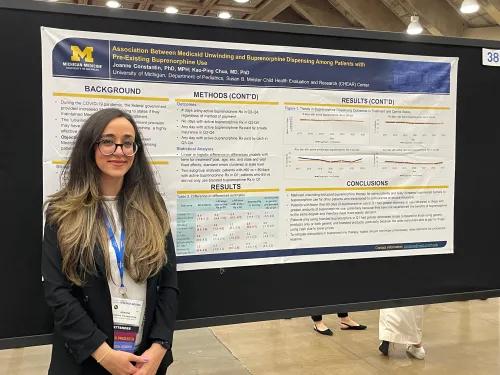
What I value and enjoy most about my research is its potential to impact health policies and improve outcomes for vulnerable populations. In fact, my research not only contributes to the academic field but also has real-world implications. Generating evidence through rigorous econometric analyses and translating these findings into actionable policy recommendations is incredibly rewarding. For instance, I recently presented my findings on the impact of “Medicaid unwinding” – the termination of continuous Medicaid enrollment during COVID-19 – on access to buprenorphine, a highly effective medication for opioid use disorder, at the Office of the Assistant Secretary for Planning and Evaluation and the Urban Institute. I walked my audience through uncovered potential barriers to access necessary medication and provided recommendations for policy interventions that can rectify them, demonstrating the real-world impact of my work.
In summary, my research advances academic knowledge and strives to create positive societal changes, ensuring that all individuals have access to quality healthcare and improved health outcomes, regardless of their background.
Interested in becoming a Postdoc? Explore our opportunities.
In This Story
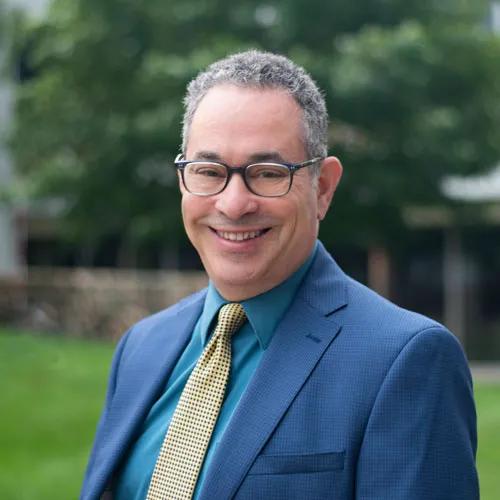
Jeremy Adler, MD, MSc
Clinical Professor
Featured News & Stories
New fund inspires Flint students with math, mentoring, and medicine
Path forward for glioblastoma treatment
Susanne Quallich Named 2026 Fellow of the American Academy of Nursing
Welcome Yunlu Zhu, PhD

Tyler Hughes Appointed Chief Departmental Administrator