
More articles about: All Research Topics

Health Lab
Black and socioeconomically disadvantaged patients with vascular disease have worse symptoms, bypass outcomes
A Michigan Medicine study finds that Black and socioeconomically disadvantaged patients with a common vascular disease have more severe symptoms before bypass surgery – and are at greater risk for amputation and other complications after the procedure.
Health Lab
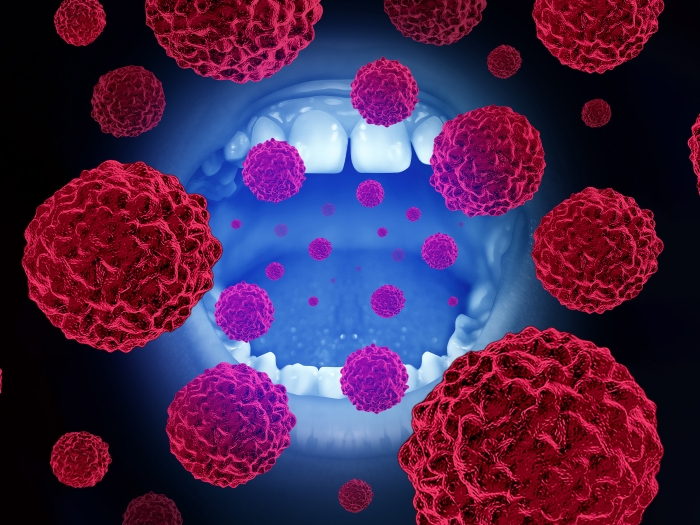
Saturated fatty acids promote immune escape of oral cancers
A team of Michigan Medicine researchers have identified a mechanism in mice for how obesity affects some oral cancers’ ability to escape from the immune system.

Health Lab
Predictive analytic tool proves adaptable and reliable in hospitals
Michigan Medicine study shows model that predicts patient deterioration defies traditional challenges.
Health Lab
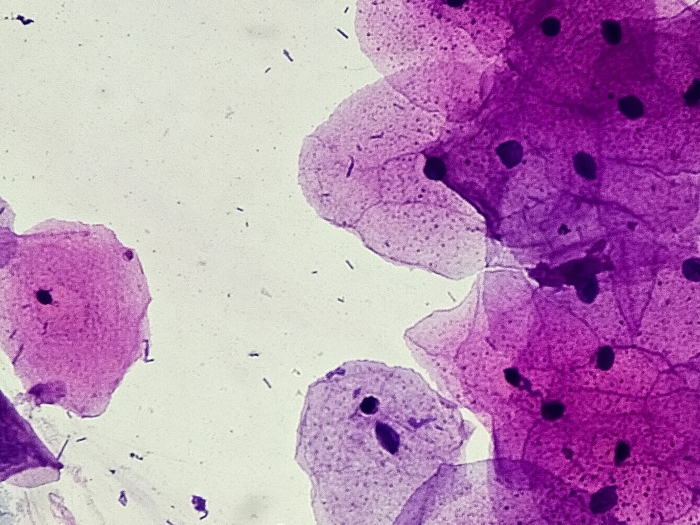
You’ve got some nerve
Researchers at Michigan Medicine have identified a new metric to articulate the relationship between nerve density and oral cancer. The study investigated normalized nerve density to translate previous mechanistic studies into a context that could be used in the clinic.

Health Lab
Financial toxicity of cancer impacts partners’ quality of life
Financial toxicity of cancer impacts partners’ quality of life, with people reporting pain, fatigue and sleep issues tied to missed work and medical bills

Health Lab
Who goes to the ICU and why?
A Michigan Medicine study tries to understand why different hospitals use the intensive care unit more than others.
Health Lab
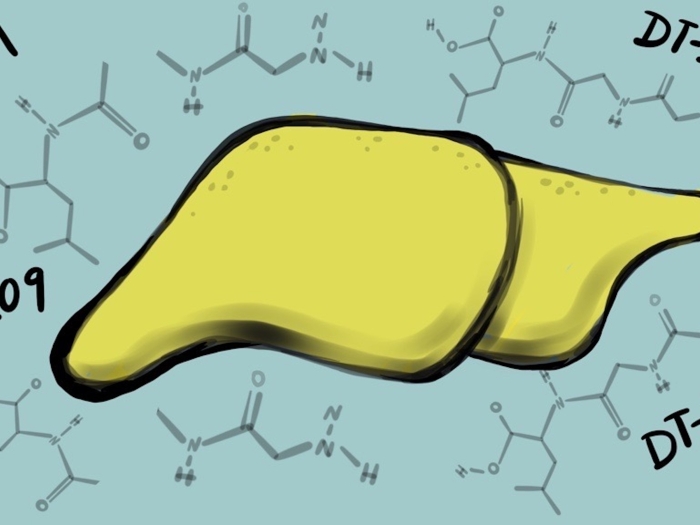
Potential drug treats fatty liver disease in animal models, brings hope for first human treatment
For nonalcoholic steatohepatitis, also known as NASH, a potential drug may treat the fatty liver disease in animal models researchers find.

Health Lab
Mouse study hints at specific brain receptor behind PCOS symptoms
Mouse study at Michigan Medicine hints at specific brain receptor behind PCOS symptoms.
Health Lab
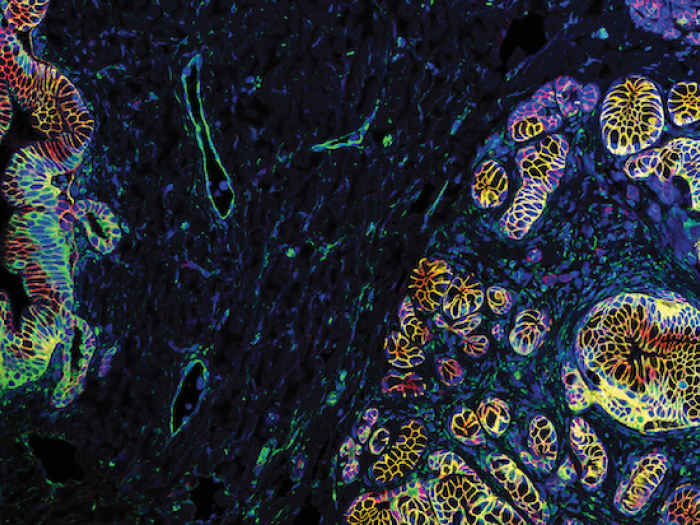
Donor pancreas tissue helps define 'new normal' in pancreatic cancer research
A research partnership has revealed a new pathway to understanding the progression of pancreatic cancer.

Health Lab
Study offers clues to how cancer spreads to the brain
Michigan Medicine researchers used microfluidic devices to track what happens to cancer cells as they migrate and take root in the brain.
Health Lab
Study may accelerate identifying patients who need liver transplants
A Michigan Medicine study may accelerate identifying patients who need liver transplants.
Health Lab
Artificial intelligence predicts genetics of cancerous brain tumors in under 90 seconds
A new study finds AI-based diagnostic screening system, DeepGlioma, detects genetic mutations in brain tumors in under 90 seconds. Streamlining glioma diagnosis and treatment.

Health Lab
Candida auris: The deadly fungus on the rise
The CDC warns of rising infections from Candida auris, a deadly fungus. Learn what you need to know about this emerging threat from U-M Medical School's Dr. Teresa O'Meara.

Health Lab
Income affects maternal and infant health in somewhat unexpected ways
While higher income improves maternal and infant health over time, it’s not enough to offset the impact of race, according to new research. In addition, although higher-income mothers and their babies ultimately end up with better health outcomes, they actually start out with more difficulties. And regardless of wealth, maternal and infant health in the United States lags behind Sweden.

Health Lab
For spinal cord injuries, acceptance and commitment therapy aids in recovery
Research from U-M suggests that Acceptance and Commitment Therapy can aid in the recovery of spinal cord injuries by helping patients learn to manage their emotions and thoughts surrounding their injury.
