
More articles about: All Research Topics
Health Lab
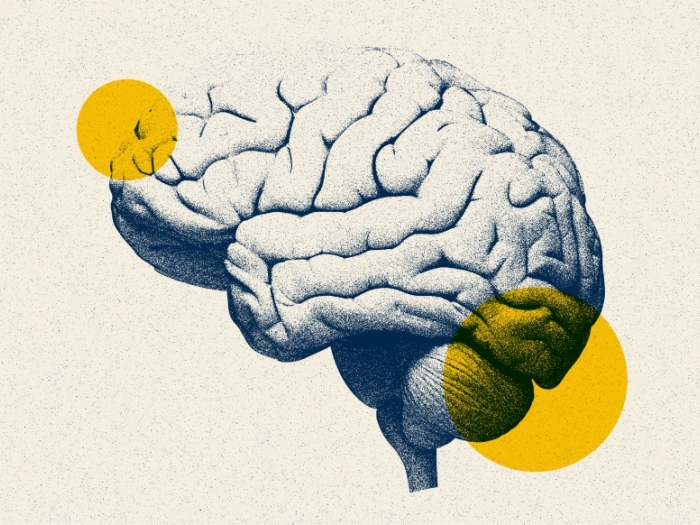
Gene therapy for rare epilepsy shows promise in mice
Dravet syndrome and other developmental epileptic encephalopathies are rare but devastating conditions. Research from Michigan Medicine takes aim at variant in SCN1B, which causes an even more severe form of DEE.
Health Lab
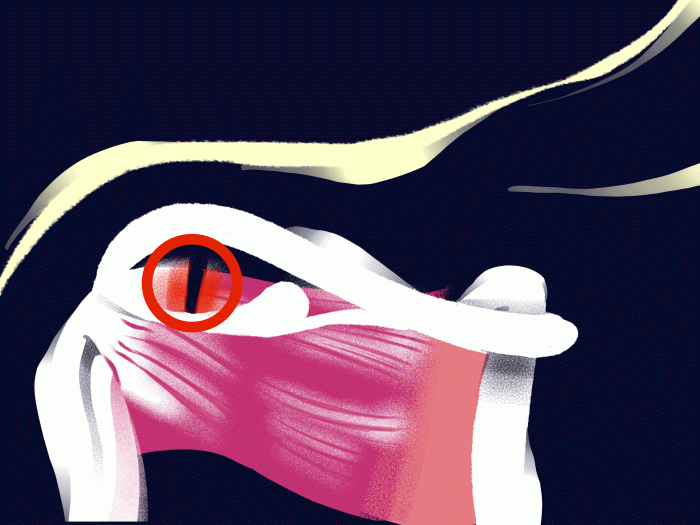
How do you treat rotator-cuff tears?
Rotator-cuff tears appear most in adults over the age of 40. These injuries are typically treated with physical therapy and surgical intervention as a last resort.

Health Lab
Researchers tackle rare, aggressive tumors in children
ATRT are rare, aggressive tumors. A lot of research has been done in identifying their cause and there are good therapies available. However, more research needs to be done. This is a Q&A article to raise awareness about ATRT and highlight the current research.

Health Lab
How did health insurance coverage changes affect older adults?
Two University of Michigan studies show how past policy decisions have affected older Americans with modest or low incomes.
News Release
Eight U-M researchers win PECASE awards
Three U-M medical researchers, and five others from the U-M faculty, have received one of the nation's top honors for scientists and engineers, as announced by the White House.
Health Lab
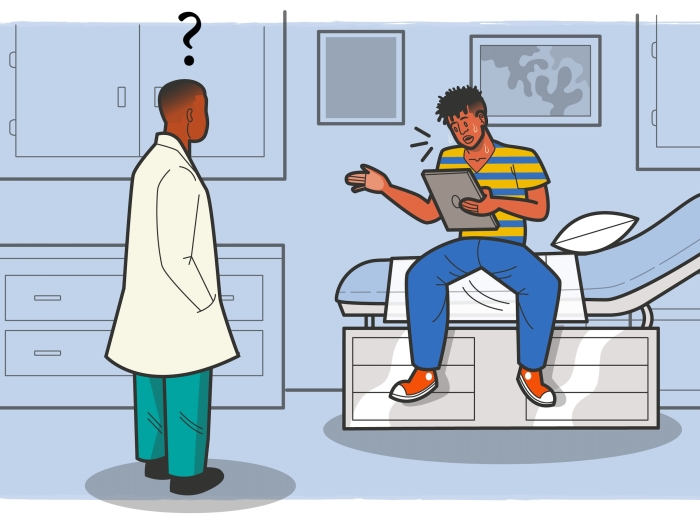
People find medical test results hard to understand, increasing overall worry
In a published research letter in JAMA, researchers tested whether people could understand standard pathology reports and whether a patient-centered report might improve understanding.

Health Lab
12 stories from 2024 worth a second look
Health Lab writers selected 12 stories for you to read from 2024 that are worth revisiting before kicking off a brand-new year.

Health Lab
Encouraging spirituality in teens without forcing participation
Among parents who plan to attend religious services this holiday season, nearly half would insist their teen join even if they didn’t want to, a poll suggests.
Health Lab
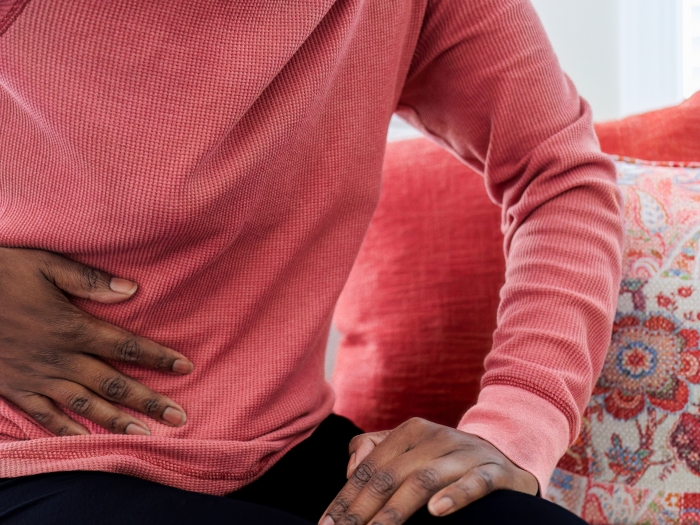
Potential culprit identified in lingering Crohn’s disease symptoms
A study from University of Michigan researchers may explain why some patients with Crohn’s disease continue to experience symptoms, even in the absence of inflammation.

Health Lab
New tools that leverage NIH’s ‘All of Us’ dataset could improve anesthesia and surgical care
In a report in JAMA Surgery, researchers propose two novel tools that leverage the All of Us dataset to look at acute health events such as surgery.

Health Lab
People want to know if AI is used in their health care
A study published in JAMA Network Open finds most people want to be notified if AI is used in their health care.
Health Lab
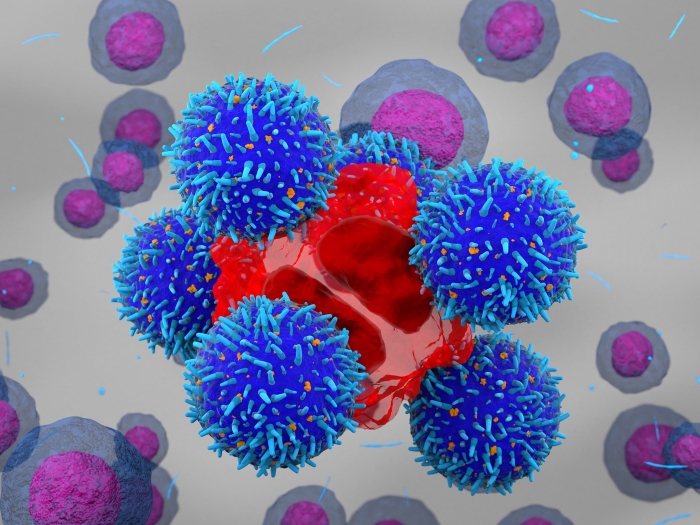
Using cellular therapy to treat cancer, and beyond
Here, Monalisa Ghosh, M.D., a hematologist-oncologist at the University of Michigan Health Rogel Cancer Center, answers questions about cellular therapy; how it's used and what exciting developments are soon to come.

Health Lab
Older adults’ health may get a little help from their friends
Close friendships include help with health-related advice or support for people over 50, but those with major mental or physical health issues have fewer close friends.
Health Lab
More clues reveal how gut bacteria works
Research from the University of Michigan uncovers a unique way the bacteria Bacteroides, which make up nearly half of the gut microbiome, synthesize the proteins needed to degrade carbohydrates.

Health Lab
Study finds tonsil removal not linked to undesirable weight gain, contrary to popular belief
A trial involving Michigan Medicine researchers has upended a long-held belief that adenotonsillectomies for children with mild sleep-disordered breathing lead to undesirable weight gain.
