
More articles about: All Research Topics

Health Lab
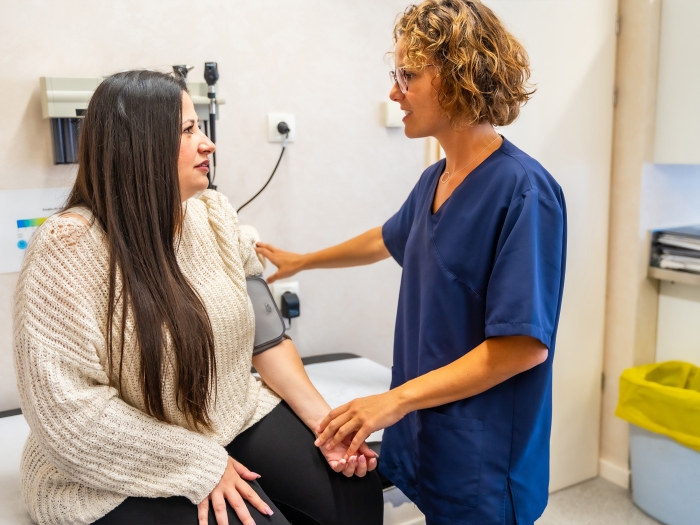
Doctors urge caution regarding elective MRI scans
In a new JAMA editorial, experts from the University of Michigan Health and the University of Wisconsin School of Medicine and Public Health outline the downsides of these increasingly popular scans.
Health Lab
To reduce chronic pain, a new digital program could help
A new study tested a program called Promoting Resilience with Innovative Self-Management, which combines traditional cognitive behavioral therapy skills for pain with additional activities intended to promote resilience and positive emotion.

Health Lab
Michigan’s a great place to grow older, say those doing it
Michigan residents over 50 mostly feel that it’s a good or great state to grow old in, but some measures were rated lower by those who are Black, disabled, Northern, or had low incomes or major physical or mental health concerns.

Health Lab
Gut hormone FGF15 changes how mice respond to weight loss
University of Michigan researchers found that a gut hormone known as fibroblast growth factor 15, or FGF15, is essential for preserving lean mass during diet-induced weight loss. Their results suggest that effective weight-loss strategies need to be tailored to each patient.

Health Lab
Dermatology resident’s China rotation highlights value of global training
Leaders in Dermatology at Michigan Medicine are expanding a program that enables select residents to pursue a clinical experience abroad during the final year of training, with one resident having visited China late last year and three more expected to train abroad in the coming months.
Health Lab
New dual-target drug may help overcome immunotherapy resistance in pancreatic cancer
U-M researchers developed a new strategy to improve immunotherapy treatments for pancreatic cancer.

Health Lab
Medicaid expansion helped enrollees’ long term financial health, study finds
Now, a new University of Michigan study shows that enrolling also had a positive and long-lasting impact on the financial health of its first enrollees.

Health Lab
What does cannabis 'rescheduling' mean for science and society?
Medical cannabis (marijuana) has been rescheduled on the federal level, which could open the door for much more research than was possible before. Four Michigan Medicine experts comment.
Health Lab
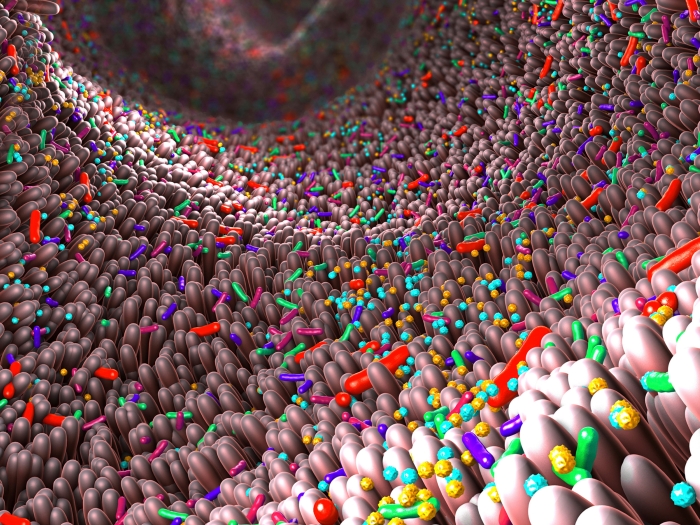
IBS treatment response predicted by gut microbiome in new study
A Michigan Medicine study finds the low FODMAP diet and the antibiotic rifaximin provided similar and significant relief for patients with irritable bowel syndrome with diarrhea (IBS-D).

Health Lab
Is there a "cliff effect” in physical activity after high school?
One in three parents say their child ages 18 to 25 is minimally active or inactive, according to the University of Michigan Health C.S. Mott Children’s Hospital National Poll on Children’s Health.
Department News
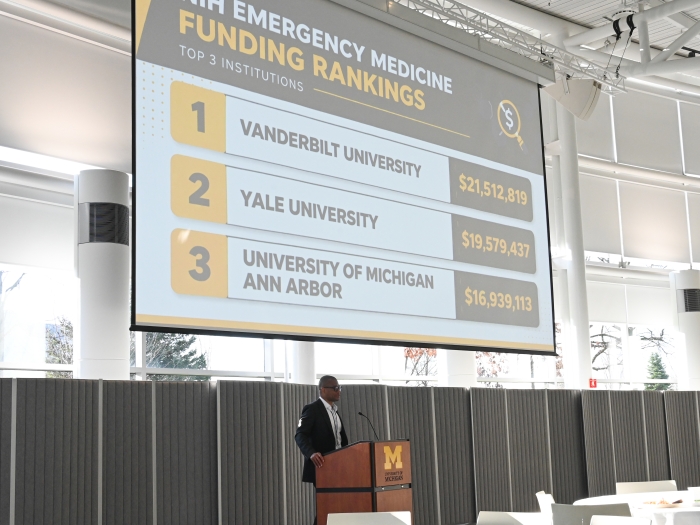
Barsan Day Highlights Emergency Medicine Research and Innovation
From artificial intelligence and cardiac arrest innovation to national clinical trials and education research, the University of Michigan Department of Emergency Medicine’s annual Barsan Research Day showcased the research shaping the future of emergency care.

Health Lab
New prostate biopsy technique shows potential future of MRI
Michigan Medicine specialists are investigating new in-bore, MRI-guided prostate biopsy techniques, which can help patients not served by standard methods.
Health Lab
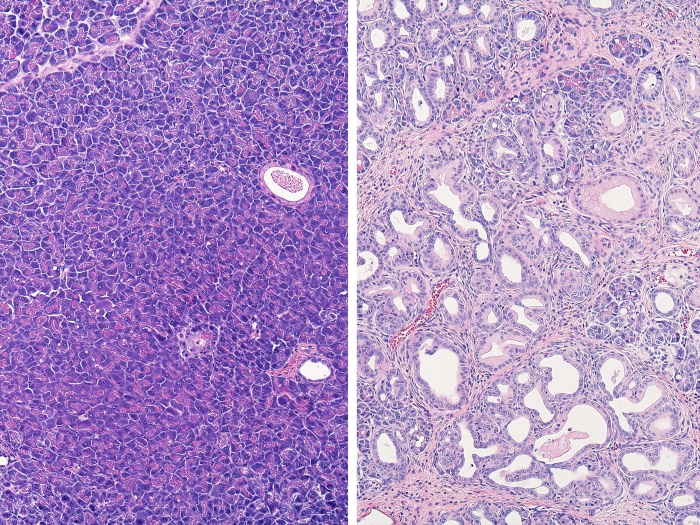
Researchers identify cellular pathways that drive precancerous lesions to form pancreatic tumors
Researchers identify cellular pathways that can influence metabolic changes when cells progress from metaplasia to cancer

Health Lab
What’s the equivalent of a wheelchair for a person with schizophrenia?
Three experts, including a Michigan Medicine physician, talks about what psychiatric rehabilitation looks like in the community and for patients.

Health Lab
Single-cell RNA sequencing gives insight to dermatomyositis treatment
Comparing skin lesions in dermatomyositis and lupus using single-cell RNA sequencing gives rheumatology researchers at University of Michigan Health new insight into treatment targets for dermatomyositis patients.
