
More articles about: All Research Topics

Health Lab
Is everything you know about Alzheimer's wrong?
Amyloid’s role in Alzheimer’s disease and other forms of dementia doesn’t tell the whole story; other molecules and prevention via cardiovascular, social and cognitive.

Health Lab
Human ability to focus on specific sounds not found to originate in auditory nerve, brainstem
Michigan Medicine research illuminates the mechanisms through which humans can pick out and focus on single sounds in noisy environments.

Health Lab
Addressing body-image distress in head and neck cancer patients
Michigan Medicine joins a clinical trial led by Medical University of South Carolina, who has developed a disease-specific cognitive behavioral therapy (CBT) called BRIGHT that’s targeted toward head neck cancer patients with body image distress, a common problem.

Health Lab
Many older adults show signs of ultra-processed food addiction
Addiction to ultra-processed foods – sometimes called “junk” foods – is especially high among Generation X women and older adults who call themselves overweight

Health Lab
Biologic drug reduces symptoms, hospitalization for severe pulmonary hypertension after diagnosis
Prescribing the biologic drug sotatercept alongside standard treatment for the most severe form of pulmonary hypertension significantly reduces the likelihood of worsening disease when added within the first year after diagnosis, according to a study published in the New England Journal of Medicine by Michigan Medicine.

Health Lab
Telestroke patients more likely to receive treatment, but with greater delays
Stroke patients evaluated using telemedicine (telestroke) have higher odds of receiving essential treatment, yet it takes longer for them to be treated — potentially limiting the benefits, finds a Michigan Medicine.

Health Lab
Children with chronic conditions may face higher risk of food insecurity
Food insecurity is more common among children with a chronic medical condition than those without one, a new study suggests.

Health Lab
AI reveals hidden features of a developing embryo model
In Michigan Medicine-led research, artificial intelligence reveals hidden features of a developing embryo model.

Health Lab
When mom and dad’s DNA don’t match up, the embryo finds a way
Michigan Medicine publishes research on maternal CENP-C restores centromere symmetry in mammalian zygotes to ensure proper chromosome segregation.

Health Lab
Pairing up for health visits helps most older adults who try it
A poll looks at “care companions” who go to doctor’s appointments and other health care visits with someone else.

Health Lab
Fish oil supplements may not work for certain cancer patients
Michigan Medicine study emphasizes the need to screen for the presence of ALOX15 in cancer patients when developing prevention strategies using fish oil supplements.
Health Lab
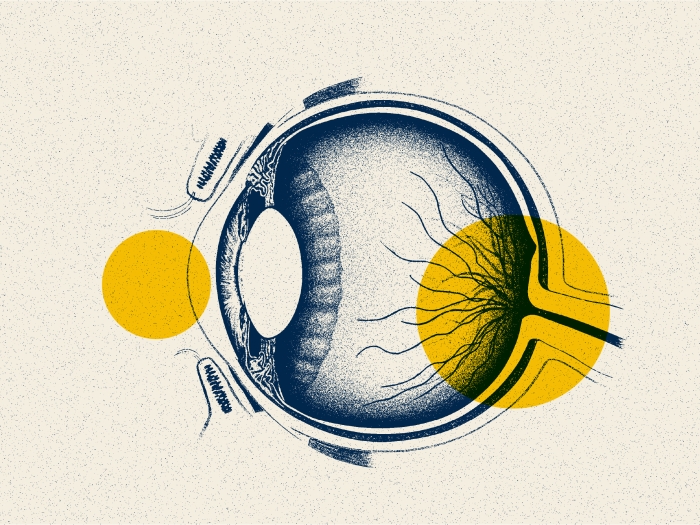
Adult stem cells show therapeutic promise in treating vision loss from macular degeneration
Researchers used retinal pigment epithelial stem cells derived from adult postmortem eye tissue in a phase 1/2a clinical trial. This is the first treatment to show promise for age-related macular degeneration or AMD.
Health Lab
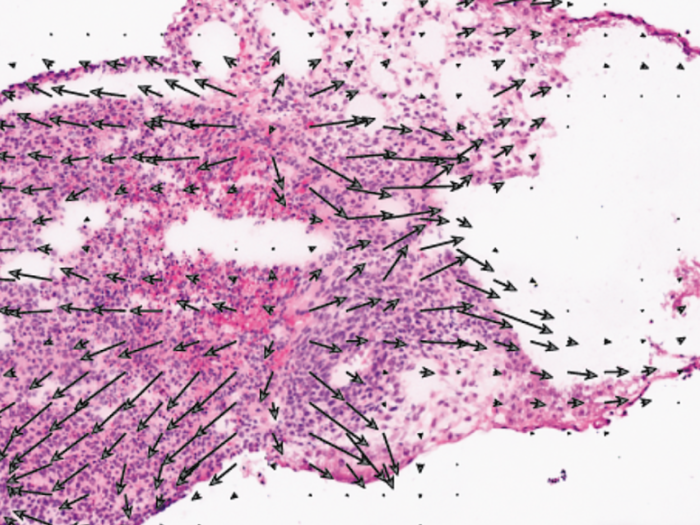
An AI model accurately predicts how cells end up in position inside tissues
Understanding transitions from cell to tissue in space and over time: A new modeling tool from the Welch lab at Michigan Medicine.

Health Lab
Innovative AI tool enhances patient-centered care and clinician well being
Michigan Medicine's recent adoption of Dragon Ambient Experience, or DAX Copilot, is part of an ongoing initiative to leverage AI to improve patient experience and reduce administrative burden for providers.

Health Lab
Small rewards lead to big wins for saving veterans' lives
Contingency management, which offers people small rewards for progress in recovering from drug addiction, was linked to fewer deaths in veterans with methamphetamine, cocaine or prescription drug issues.
