An extended experience in Guatemala provided a medical student with a look at chronic disease management in a resource-limited setting.
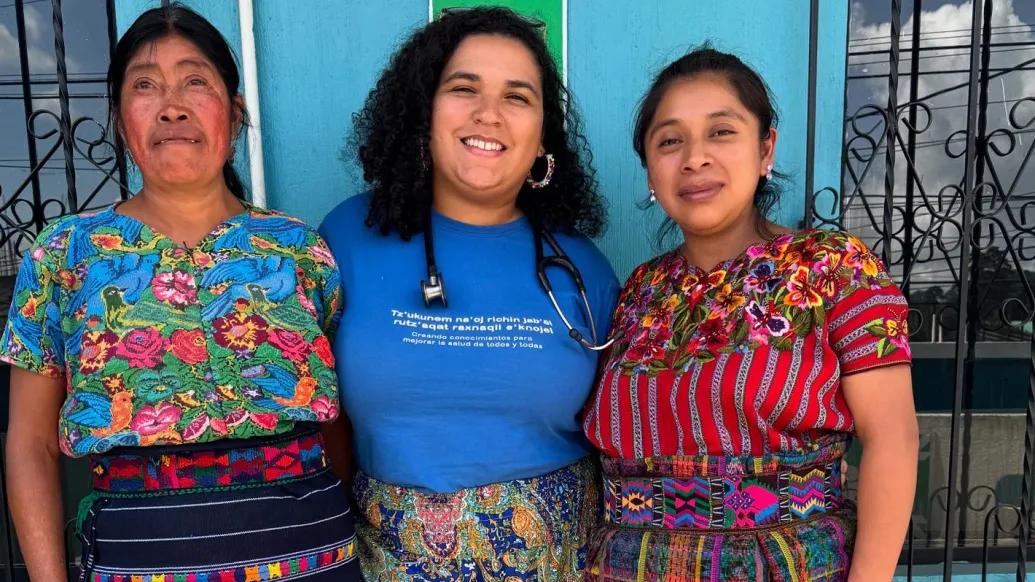
Nia Lucas spent the entire 2025 academic year in Guatemala and experienced the healthcare system at both the micro and macro levels. She worked first with an organization that runs diabetes management programs for the country’s sizable Indigenous Maya population. Following that, she joined a WHO-led research project that had her speaking with providers about cardiovascular disease care.
“I could never have imagined that my outlook on medicine and life would be transformed as profoundly as it has been by working and learning alongside the dedicated community health workers and physicians I met there,” said Lucas.
Her experience, supported by Global REACH, was organized and overseen by Assistant Professor of Internal Medicine David Flood, who has long been engaged in Guatemala and has deep connections with the Maya Health Alliance, which operates multiple clinics across the country.
Lucas began her visit with an extensive study of the Mayan language with a local tutor, preparing her to see patients involved in the Maya Health Alliance’s diabetes management programs. She spoke with patients about the difficulties of adhering to low-carbohydrate diets in a region where corn tortillas are a vital staple. Another common challenge among patients: pervasive misconceptions about chronic diseases, which made it difficult for individuals to discuss their illness with family members.
“In their community, chronic illnesses are often attributed to something they call susto, a complex cultural concept in which traumatic events are thought to manifest in physical disease,” Lucas said. “It was fascinating to learn about the ways in which culture could impact patient experiences.”
For the second half of her experience, Lucas worked with Dr. Flood and collaborators at the Instituto de Nutrición de Centro América y Panamá, headquartered in Guatemala City, who were engaged in a project to expand HEARTS, a set of resources developed by the WHO aimed at improving cardiovascular disease management in LMIC settings. She interviewed many healthcare providers to document their perceptions of cardiovascular disease care and challenges.
“While my time in the clinics allowed me to better understand individual and interpersonal-level experiences with chronic disease, the research I participated in made clear the impact that policy and systems have on health outcomes,” Lucas said. “The issues discussed by those I interviewed felt both unique and familiar, highlighting the importance of global health. While distinct in setting and context, similar inequities and challenges are shared across countries, and their solutions would benefit from the mutual exchange of knowledge, strategies, and resources.”
Featured News & Stories

Fall 2026 Addiction Center Newsletter
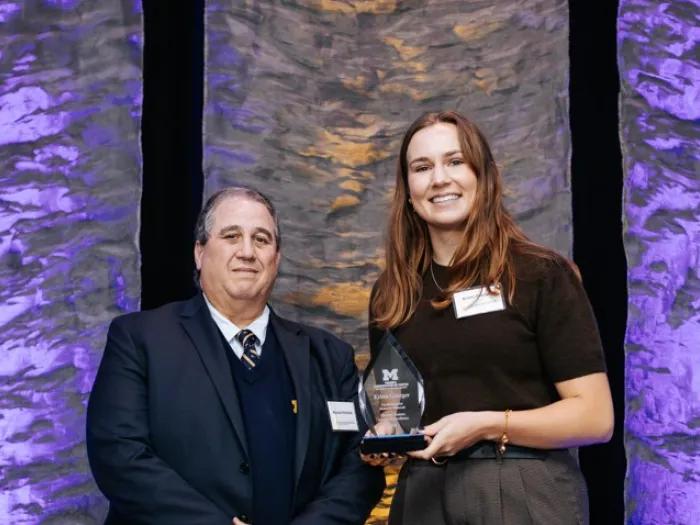
Krista Goerger awarded the 2026 top graduate student award in cardiovascular research!
Congratulations to Xin Li, PhD
Learning Together: Making Space for Growth at Work
Enzyme supplement improves IBS symptoms for most in new study