About Cellular & Molecular Biology
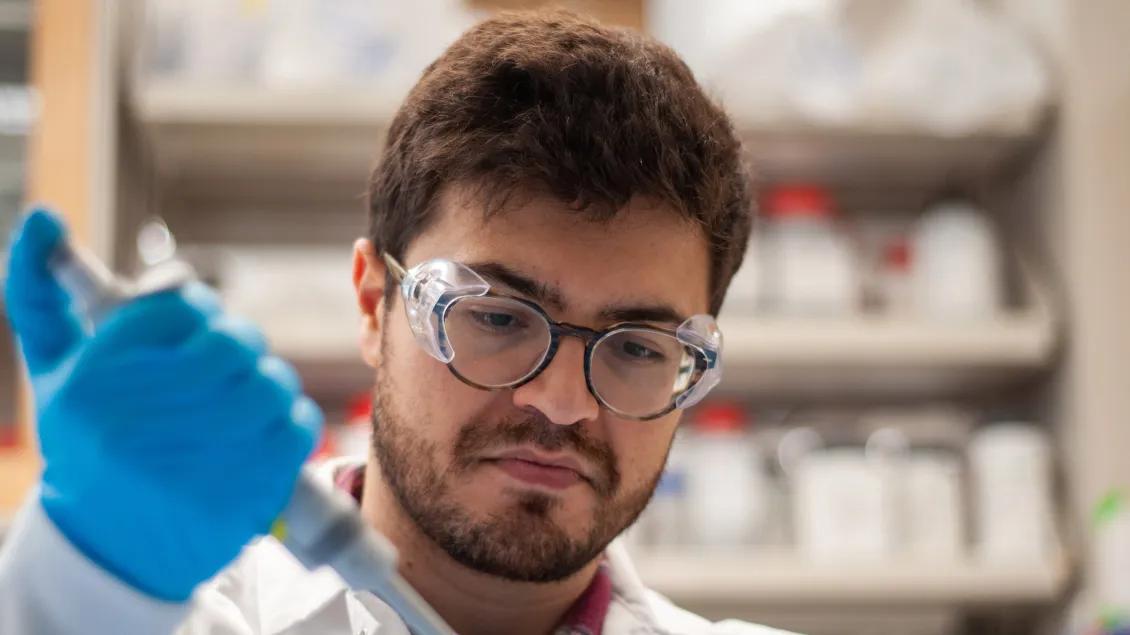
Dedication to Discovery
We train the next generation of scientific leaders to push the boundaries of discovery at the interface of biology, medicine, and technology.
Training the Next Generation of Leaders
The U-M Medical School Cellular & Molecular Biology (CMB) graduate program students gain more than technical skills—they build lifelong professional networks, take on leadership roles in the scientific community, and leave prepared to lead academic, industry, and translational innovation.
Careers & Outcomes
The average time to degree for CMB students is between 5.5 and 6 years for students applying through the Program in Biomedical Sciences (PIBS), and 4-5 years of PhD work during the Medical Scientist Training Program (MSTP - a dual degree, MD/PhD program).
CMB graduates go on to successful and diverse careers in academia, industry, government, and beyond, supported by the program’s strong foundation in interdisciplinary training and research. Recent alumni have secured highly competitive postdoctoral fellowships, while others have transitioned directly into roles at biotech companies, major pharmaceutical firms, and government agencies. The program’s emphasis on innovation, communication, and individualized mentorship uniquely positions CMB graduates for leadership in the biomedical sciences.
Check out the Rackham Statistics page (select Cellular & Molecular Biology from the Field of Study dropdown at the top of the page), to see CMB program statistics.
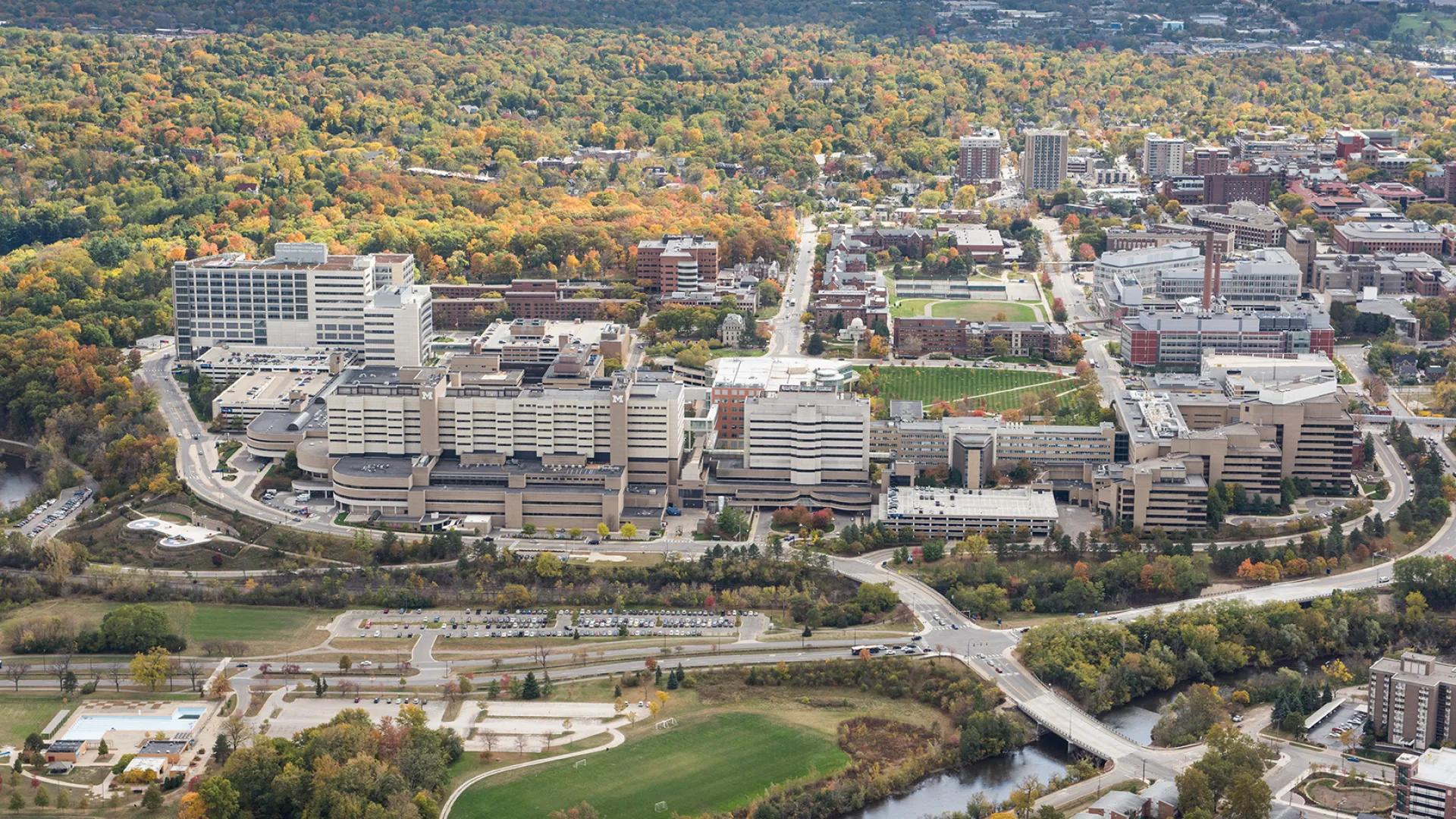
CMB Facts & Figures
Life in Ann Arbor
Ann Arbor is a small city in the southeast corner of Michigan, approximately 45 minutes West of Detroit and only a 20-minute drive from the airport. The city has a lively arts scene and offers an abundant array of restaurants, microbreweries, coffee houses, music clubs, museums and other entertainment. The university also offers an impressive array of museums in its own facilities on campus. Ann Arbor's proximity to Detroit provides the advantages of a major city - concerts, museums, sporting events, etc. This provides a nice mix of small city/suburban life, with the wide range of cultural opportunities typically found in a much larger community. Ann Arbor is also within a 4-hour trip to other big cities like Chicago, Toronto, Grand Rapids, and Lansing.
Ann Arbor and surrounding areas also offer many outdoor activities, from boating on the Huron River to biking/hiking trails, and travel to Michigan lakeside towns and campsites.
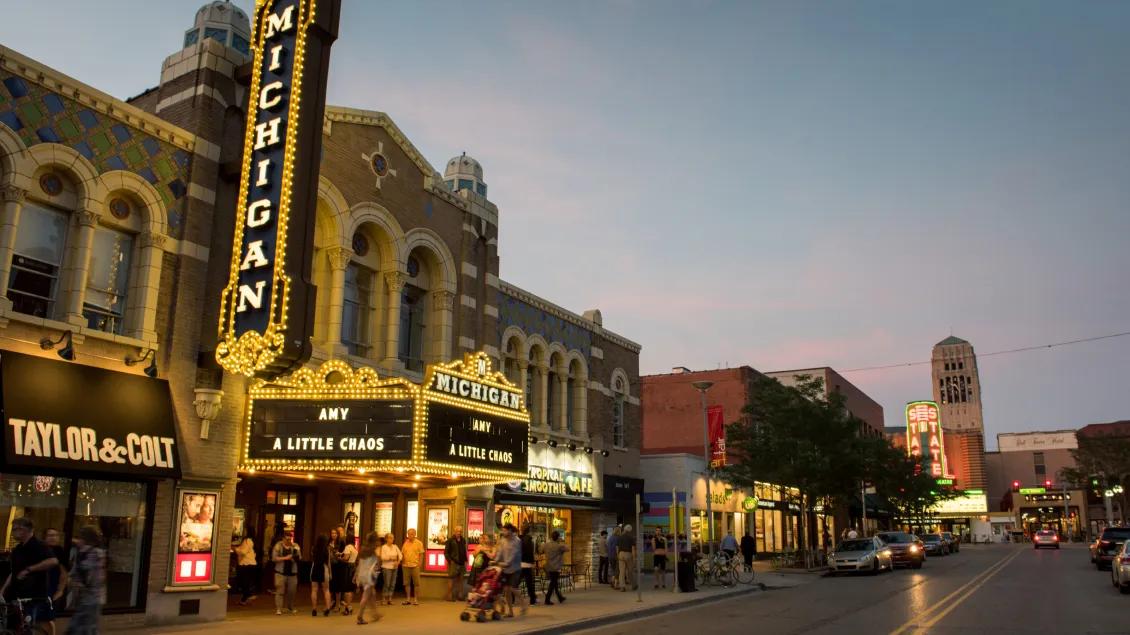
Life in Ann Arbor Resources
Program Leadership

J Chad Brenner, PhD, MSE
Associate Professor of Pharmacology
Cellular and Molecular Biology Academic Program Director
Medical School
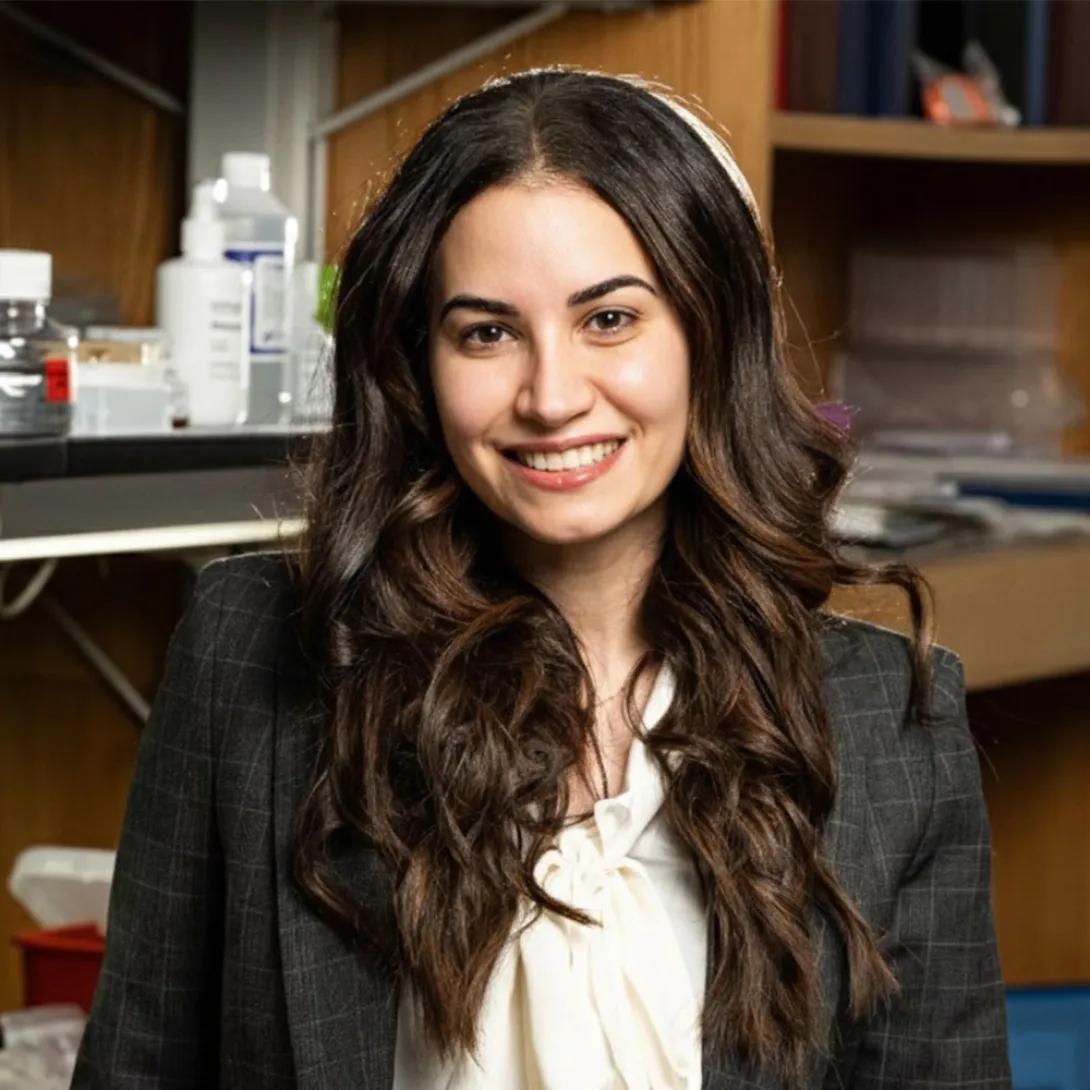
Sue S Hammoud, PhD
Associate Professor of Human Genetics
Associate Professor of Urology
Associate Professor of Obstetrics and Gynecology
Medical School
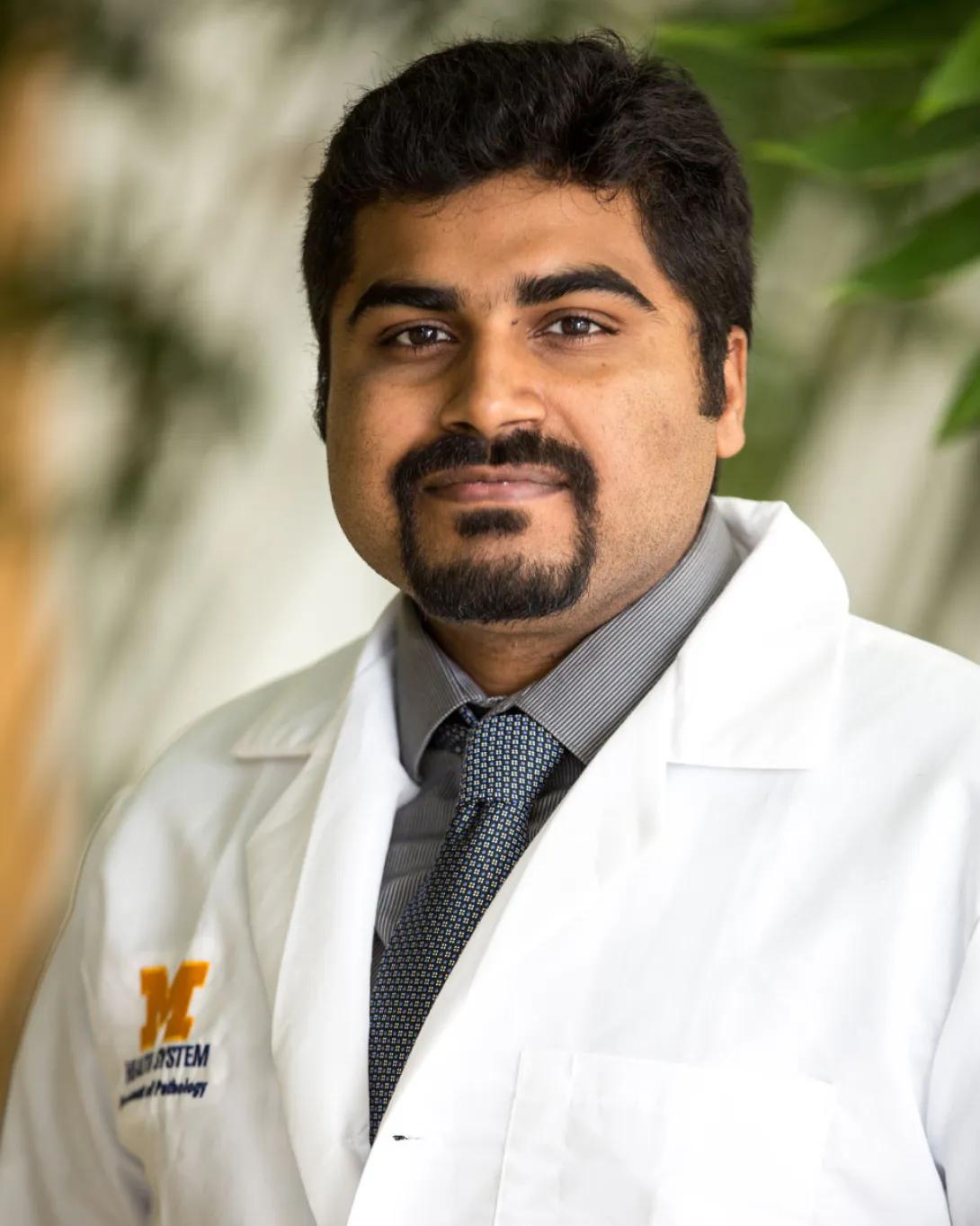
Sethu Pitchiaya, PhD
Assistant Professor of Pathology
Program in Cellular and Molecular Biology Associate Director
Rogel Cancer Center Shared Resources Director
Program in Cellular and Molecular Biology Chair of Admissions
Medical School

Ariella Shikanov
Professor of Obstetrics and Gynecology, Medical School
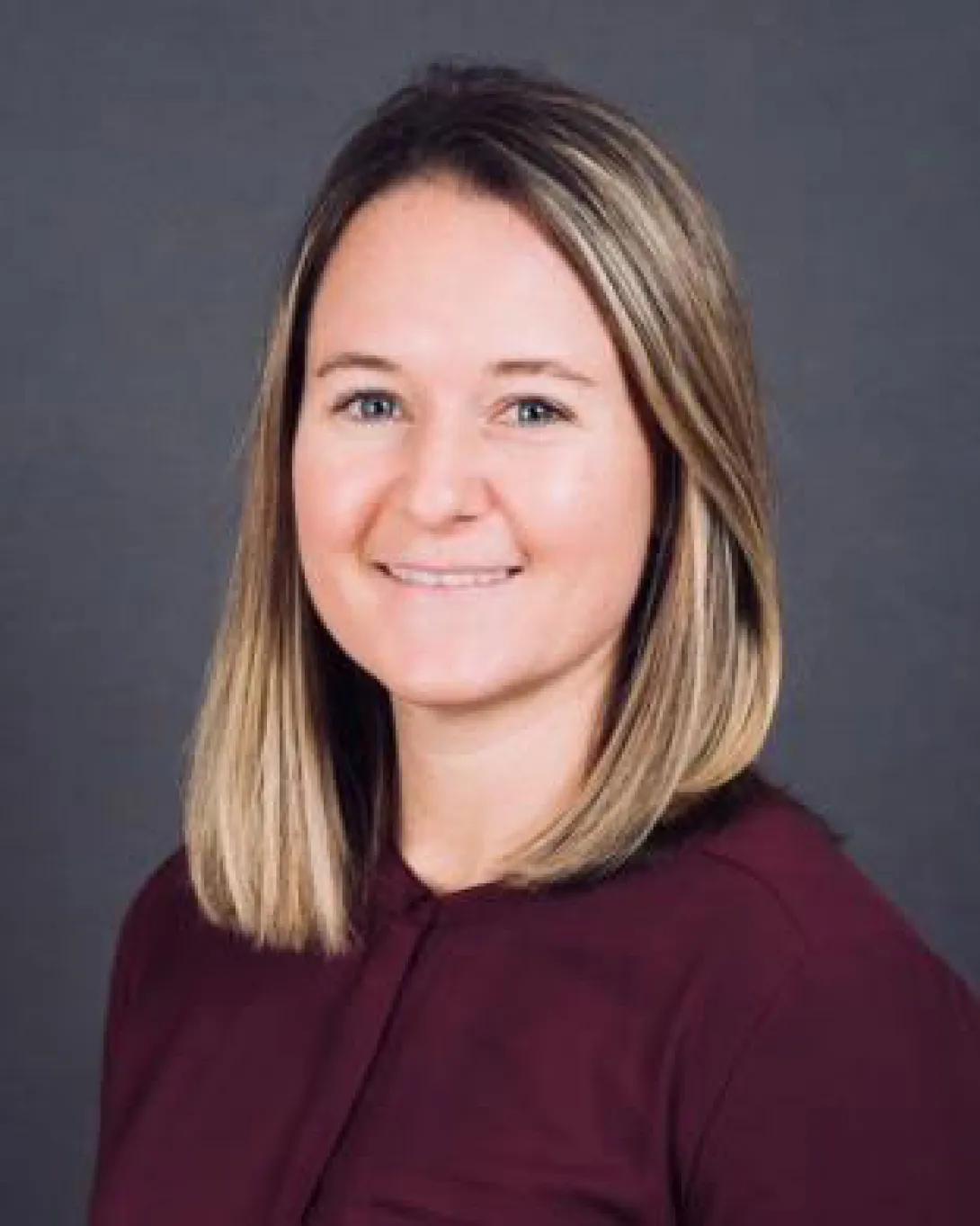
Erin King