Dementia becomes an emergency 1.4 million times a year
Accidents and behavioral disturbances lead the list of reasons for ER visits, suggesting need for better caregiver support to prevent crises
11:00 AM
Author |
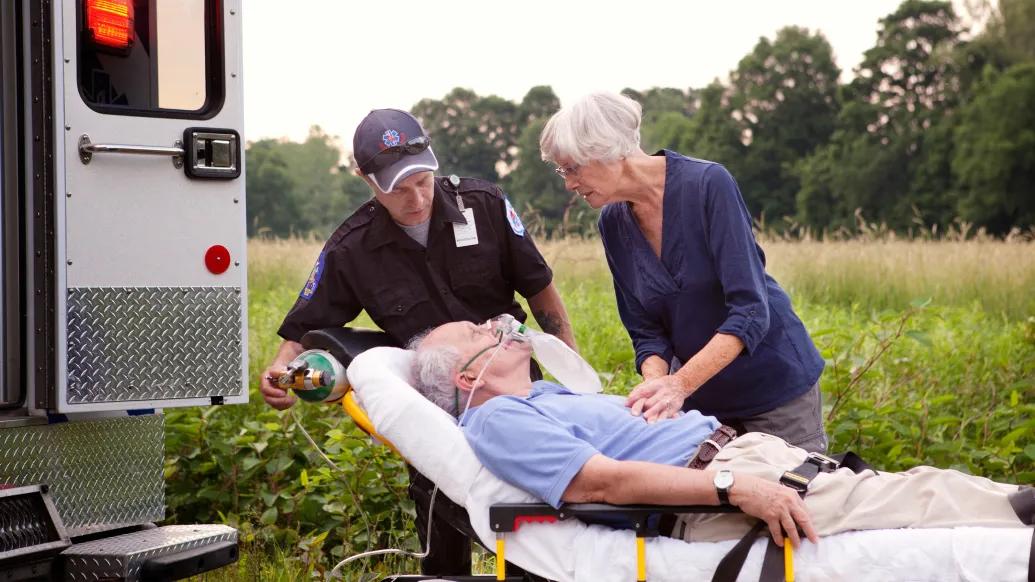
A busy, crowded, confusing emergency room is not an ideal place for a person living with dementia.
But 1.4 million times a year, people with Alzheimer’s disease and other forms of dementia end up in emergency care, a study shows.
Together, they make up nearly 7% of all emergency visits for any reason by people over age 65, according to a University of Michigan team’s findings published in JAMA Neurology.
And compared with their peers who don’t have dementia, these patients have twice the rate of seeking emergency care after an accident or a behavioral or mental health crisis, the researchers show.
With about 6 million Americans currently estimated to have dementia, the study suggests there’s a lot of opportunity to prevent future emergency visits by better supporting dementia caregivers, thereby, the researchers say.
Lead author Lauren B. Gerlach, D.O., M.Sc., says the findings could help inform efforts to support family caregivers and nursing facility staff in reducing patients’ risks of injury, and preventing the agitation, aggression and distressing behaviors that people with dementia can experience.
SEE ALSO: Wide variation seen in family caregiver availability for people with dementia
“While dementia is thought of as a cognitive or memory disorder, it is the behavioral aspects of the disease such as anxiety, agitation and sleep disturbances that can cause the most stress for caregivers and patients alike”, said Gerlach, a geriatric psychiatrist at Michigan Medicine, U-M’s academic medical center.
“Emergency departments are often not the right place to manage these behaviors,” she added. “We really need to do better to support caregivers so there are options other than seeking emergency care.”
Once a person with dementia is in the emergency department, it can be a very disorienting experience, Gerlach explains.
“This is especially true in the context of a busy ED where visits can last many hours and patients may have difficulty understanding what is occurring or communicating their needs,” she said. “Even routine blood draws from unfamiliar staff can be a very scary experience for a patient with advanced dementia.”
To make matters worse, behavioral symptoms common in this group can lead to treatment with potentially dangerous sedative medications.
Emergency department patients with dementia received antipsychotic medications at more than twice the rate as other emergency patients over age 65 during their visit, the study shows.
Such drugs, often used to sedate people with dementia and calm their behavioral symptoms, can carry major risks if used long-term – including increasing the risk of fall accidents and death as highlighted in warnings from the U.S. Food & Drug Administration.
Long after the emergency has ended, the concern is that these newly started antipsychotic and sedative medications in could then continue to be prescribed long-term, putting patients with dementia at further risk, said Gerlach.
The study also adds evidence that older adults with dementia may be treated differently in the emergency department. People with dementia were much more likely than those without to receive a urine test or a CT scan of their head.
“Difficulty in the ability of patients with dementia to communicate their symptoms verbally can make it challenging to distinguish what is causing their symptoms,” Gerlach explains.
“Is it related to a change in their environment, difficulty between the patient and their caregiver, or an underlying medical issue?”
For instance, urinary tract infections can cause pain that can lead to agitation or aggression in a person with dementia, who may not be able to express what they’re feeling. However, these challenges can sometimes lead to indiscriminate laboratory testing and imaging, Gerlach adds.
The data for the study came from the National Hospital Ambulatory Medical Care Survey conducted by the Centers for Disease Control and Prevention, and include information on people over 65 no matter what form of health care coverage they had.
Gerlach and Matthew A. Davis, Ph.D., an associate professor in the U-M School of Nursing and Michigan Medicine’s Department of Learning Health Sciences, note that there has not been much research on emergency care for people with dementia, despite the fact that clinicians and caregivers who care for such patients know from experience that emergencies can be common.
Helping caregivers prevent and respond to dementia-related crises
Caregiver stress and burnout from a lack of respite or support may play a role in the need for seeking emergency care in people with dementia, noted Gerlach, who is an assistant professor in the U-M Department of Psychiatry.
She sees promise in a proposed Medicare rule that would allow health care teams to get reimbursed for sessions that educate family caregivers – including on how to prevent or soothe behavioral symptoms among their loved ones.
One approach to this, called DICE, was co-developed at Michigan Medicine’s geriatric psychiatry division and is now available online to dementia caregivers anywhere.
Gerlach also recommends the caregiver support programs and information offered by the Alzheimer’s Association, and videos from UCLA Health, available in multiple languages, to her patients’ caregivers to help manage these behaviors.
Those who live with people who have dementia should also consider safety upgrades in the home to reduce fall risks and the chance of other injuries.
“It’s important to match the home environment to their needs and ability, which could reduce the risk of emergency care being needed,” Gerlach said.
The rise of geriatric-focused emergency departments or areas within larger emergency departments may also help, Gerlach noted, but they are not available in all areas.
It’s also important for families to be realistic about when it’s time to seek emergency services for their loved one with dementia.
If physical aggression or falling risk gets to be too much for a family caregiver to handle, the safety of the patient and the caregiver must outweigh the desire to keep them at home, Gerlach says.
“But before that, there is a lot we can do in the outpatient setting to help prevent crisis and the need for emergency care,” she said.
The study was funded by the National institute on Aging, part of the National Institutes of Health (AG066864, AG066582) including the grant that funds the U-M Center to Accelerate Population Research in Alzheimer’s, headed by co-author and geriatrician Julie Bynum, M.D., M.P.H.
Gerlach, Davis and Bynum are members of the U-M Institute for Healthcare Policy and Innovation. U-M data analyst Jonathan Martindale, MHI, is also an author on the paper.
Paper cited: "Characteristics of Emergency Department Visits Among Older Adults With Dementia," JAMA Neurology. DOI:10.1001/jamaneurol.2023.2244

Health Lab
Explore a variety of health care news & stories by visiting the Health Lab home page for more articles.
Media Contact
Public Relations
Department of Communication at Michigan Medicine
In This Story
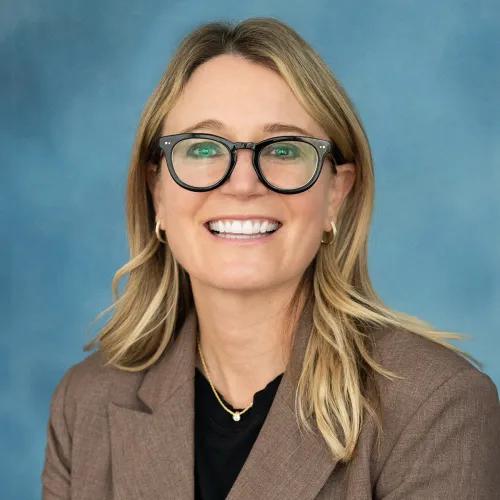
Lauren B Gerlach, DO, MS
Assistant Professor
Stay Informed
Want top health & research news weekly? Sign up for Health Lab’s newsletters today!
Featured News & Stories
Emergency Department Celebrates 2026 Residency and Fellowship Graduates
Granger family continues support of local health care with major donation for new behavioral health hospital
How AI is helping emergency physicians learn from their patients
Research may help better predict outcomes in kids with congenital cytomegalovirus

LGBTQ+ Aging in America