
More articles about: pharmacology
Health Lab
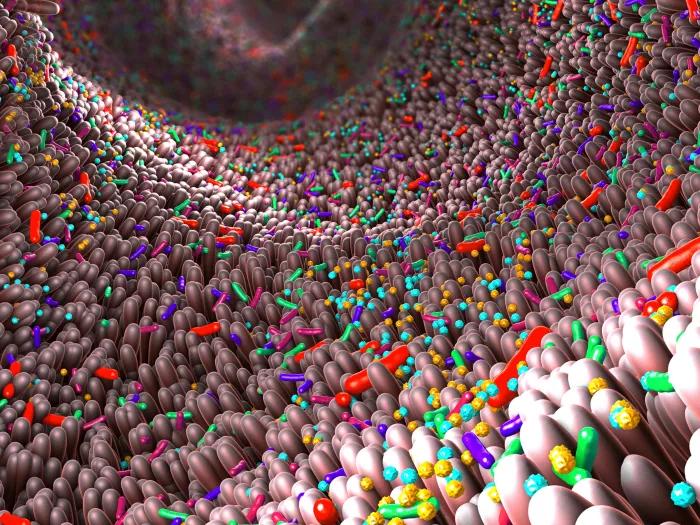
IBS treatment response predicted by gut microbiome in new study
A Michigan Medicine study finds the low FODMAP diet and the antibiotic rifaximin provided similar and significant relief for patients with irritable bowel syndrome with diarrhea (IBS-D).
Health Lab
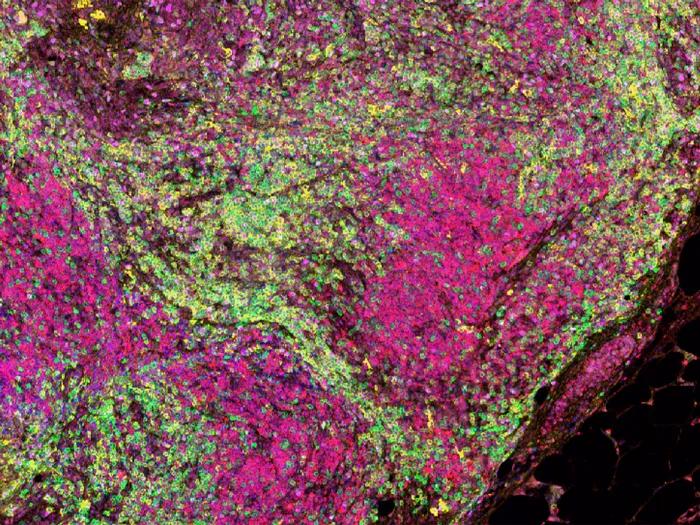
New mouse model for liposarcoma can help uncover new therapies
There has been little progress in understanding and treating liposarcoma due to its rarity and lack of research resources. In a new study, University of Michigan researchers have developed a novel mouse model that mirrors the disease in humans.
Philanthropy News
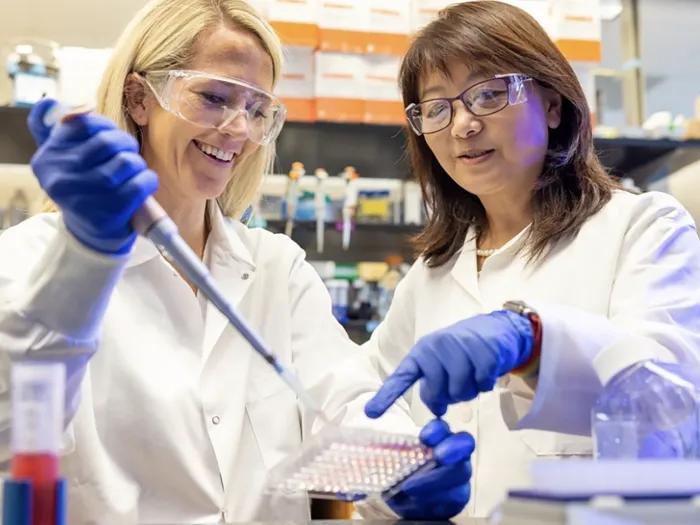
Michigan Medicine donors fuel breakthroughs in discovery research
Michigan Medicine Discovery Research Week celebrates essential research and the donors who make it possible.

Health Lab
Interplay between key proteins could serve as a target for cancer treatment
University of Michigan researchers have identified that the balance between two proteins—STAT3 and STAT5—is important for making tumors vulnerable to immune checkpoint therapy, and targeting STAT3 degradation is a potential novel cancer immunotherapy strategy.
Breaking Down Mental Health
Neurodiversity and Autism Spectrum Disorder
Explore neurodiversity, ASD criteria, screening tools, barriers to care, and psychopharm and behavioral strategies for supporting neurodivergent individuals.

Health Lab
Finding a 'beautiful gift' within stage 4 lung cancer
How one woman found 'a beautiful gift' within stage 4 lung cancer.
Michigan Medicine Presents
Episode 1: The Science of Bipolar Disorder
Bipolar disorder is more than just mood swings. It’s a journey marked by intense highs of mania and debilitating lows of depression. But within this condition exist millions of people who live unique lives. Today, we're going to talk to three clinical and research experts from the Heinz C. Prechter Bipolar Research Program at Michigan Medicine to learn more about the science of bipolar disorder—diagnostics, genetics, and decision-making. We'll be hearing from Dr. Melvin McInnis, director of the Prechter Program, Dr. Paul Jenkins, associate professor of pharmacology and associate director of the Prechter Program, and Dr. Chandra Sripada, professor of psychiatry and philosophy.

The Fundamentals
Researching Psychedelics for Potential Therapeutic Use
Recently, interest in psychedelic research has seen a resurgence, strengthened by better designed and controlled clinical trials and the use of neuroimaging, examining psychedelics' potential therapeutic use for PTSD, addiction, anxiety, and depression. On today’s episode, we talk with Dr. George Mashour, professor of anesthesiology and pharmacology and founder of the Michigan Psychedelic Center about using rigorous scientific methods to unlock the mysteries of psychedelics and investigate their potential as therapeutics.
The Fundamentals
Opioids and Respiratory Depression
The main cause of death due to opioid overdose is respiratory depression. In other words, the brain of a person under the influence of opioids can simply forget to breathe. In today’s episode, we talk with Dr. Erica Levitt, associate professor in the Departments of Pharmacology and Anesthesiology at University of Michigan Medical School, who is trying to explain this connection, with the hope of maintaining the powerful pain relieving effects of opioids without their potentially deadly effects.
Health Lab
Gene therapy for rare epilepsy shows promise in mice
Dravet syndrome and other developmental epileptic encephalopathies are rare but devastating conditions. Research from Michigan Medicine takes aim at variant in SCN1B, which causes an even more severe form of DEE.
Philanthropy News
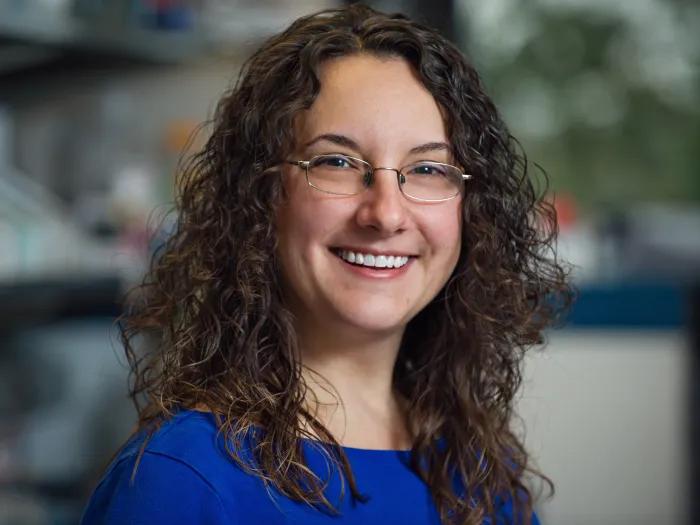
Fellowship in pharmacology to continue the legacy of outstanding scientist and educator
Emily Jutkiewicz, Ph.D., pioneering pharmacologist and beloved educator, to be honored through graduate fellowship supporting groundbreaking research.

Health Lab
A personalized RNA therapeutic treats twins with ultra-rare form of Batten disease
A therapeutic developed by Michigan Medicine's Michelle Hastings, Ph.D., is now being used to treat twin girls with a rare form of juvenile Batten disease.
Health Lab
New drug could help those with CAH reduce the use of corticosteroids
Michigan Medicine researchers discover that a new drug could help those with CAH, or congenital adrenal hyperplasia, reduce the use of corticosteroids.

Health Lab
Spread of drug resistant bacteria linked to patient hand contamination and antibiotic use within nursing homes
A Michigan Medicine research team seeks to identify characteristics of patients within nursing homes, as well as the nursing home environment itself, that are associated with contamination by vancomycin-resistant enterococci.
The Fundamentals
Basic Science is the Foundation for Everything
An interview with Dr. Jessica Anand on pharmacology, developing new opioid rescue therapies and diversity, equity and inclusion.
